
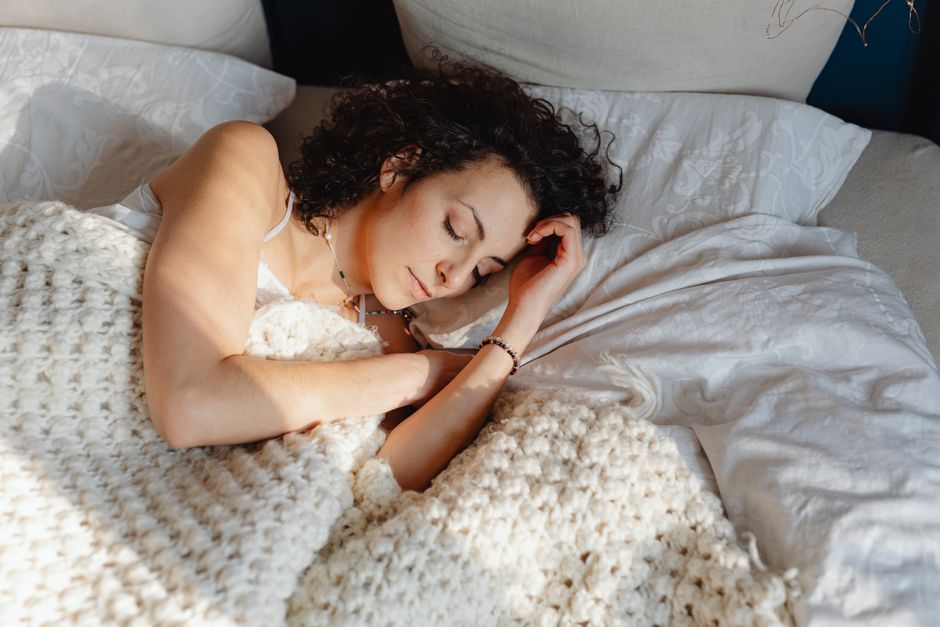
Many of us have done it — taken a late shower, towel-dried quickly, and gone to bed with damp hair. The question of whether sleeping with wet hair is bad comes up often, and the answer is more nuanced than a simple yes or no. Sleeping with wet hair is not dangerous, but it does come with real risks to your scalp health, hair condition, and even your sleep quality. The main concerns involve fungal growth, hair breakage, and scalp irritation. Understanding what actually happens when you sleep on wet hair helps you decide if the risk is worth the convenience.
What Actually Happens When You Sleep With Wet Hair?
Your hair is weakest when it is wet. Water causes the hair shaft to swell, making it more elastic but also more fragile. When you lay your head on a pillow, the friction between wet hair and the fabric creates stress on each strand. This can lead to breakage, split ends, and even hair loss over time.
The scalp also becomes a different environment at night. A wet scalp trapped against a pillow creates warmth and moisture. This is the perfect breeding ground for fungi and bacteria. The most common issue is an overgrowth of Malassezia, a yeast that naturally lives on most people’s scalps. When it multiplies too much, it can cause dandruff, itching, and inflammation.
Your pillowcase matters more than you might think. Cotton pillowcases absorb moisture from your hair quickly. This means your hair dries faster, but it also means the wet fabric stays against your skin and scalp for hours. Some research suggests that silk or satin pillowcases reduce friction and moisture loss, though the evidence is mostly based on material properties rather than large clinical studies.
Does Sleeping With Wet Hair Cause Dandruff or Fungal Infections?
This is the concern that comes up most often. The short answer is yes, sleeping with wet hair can contribute to dandruff and other scalp issues. The longer answer is that it depends on your individual scalp health and how often you do it.
Malassezia fungi feed on the oils your scalp produces. When your scalp stays damp for hours, the fungus has ideal conditions to multiply. A study published in the Journal of Clinical and Aesthetic Dermatology noted that Malassezia overgrowth is a primary cause of seborrheic dermatitis, which is the medical term for chronic dandruff. If you already have a tendency toward dandruff or an oily scalp, sleeping with wet hair regularly can make it worse.
Fungal infections are less common but possible. A condition called tinea capitis, or scalp ringworm, is caused by dermatophyte fungi. While this is more common in children and usually spreads through direct contact, a consistently damp scalp could increase your risk. The CDC reports that fungal infections of the scalp require medical treatment with prescription antifungal medication, so this is not something to ignore if symptoms appear.
Not everyone who sleeps with wet hair will develop these problems. People with dry scalps or those who wash their hair infrequently may notice no change at all. The risk increases with frequency and with how long your hair stays wet. If your hair dries within an hour or two, the risk is lower than if it stays damp all night.
Can Sleeping With Wet Hair Cause Hair Breakage or Hair Loss?
Hair breakage is a more immediate and common concern than fungal infections. When hair is wet, it can stretch up to 30 percent longer than its dry length before breaking. This is a well-established property of human hair, confirmed by research in materials science and dermatology. Laying on wet hair while you toss and turn creates repeated stress on already fragile strands.
The type of breakage depends on your hair texture. People with straight, fine hair may notice more overall frizz and split ends. People with curly or coily hair are at higher risk for actual strand breakage because their hair is naturally more fragile when wet. The American Academy of Dermatology recommends avoiding brushing or manipulating curly hair when it is wet for exactly this reason.
Hair loss is a different issue from breakage. Breakage is damage to the hair shaft itself. Hair loss involves the follicle, which is the root structure under your scalp. There is no strong evidence that sleeping with wet hair directly causes hair loss or balding. However, if you develop a scalp infection from chronic dampness, that infection could damage follicles temporarily. Once the infection is treated, hair typically grows back.
The real concern for most people is mechanical damage. Pulling wet hair into a tight bun or ponytail before bed increases stress on the roots. Twisting wet hair into a towel turban can also cause breakage if the towel is rough or twisted too tightly. These habits likely cause more damage than simply sleeping with loose, wet hair spread across a pillow.
Research published in the International Journal of Trichology found that hair breakage is significantly higher in wet hair compared to dry hair during combing and brushing. While this study did not specifically test sleeping conditions, the principle applies. Any friction or pressure on wet hair increases breakage risk.





Does Sleeping With Wet Hair Cause Colds or Sinus Issues?
This is one of the most persistent myths. Many people were told as children that going to bed with wet hair would “catch a cold.” The evidence does not support this. Colds are caused by viruses, not by being cold or wet. The common cold virus spreads through respiratory droplets and direct contact, not through temperature changes.
That said, there is a small connection worth noting. Some studies suggest that cooling the body’s surface can reduce immune response in the nasal passages. A well-known study from the Common Cold Centre at Cardiff University found that people who had their feet chilled were more likely to develop cold symptoms if they were already exposed to the virus. The mechanism is thought to be reduced blood flow to the nasal lining, which can slow immune cell activity.
This does not mean sleeping with wet hair gives you a cold. It means that if you have already been exposed to a cold virus, being cold and wet might make it slightly easier for the virus to take hold. The effect is small and not something most people need to worry about. Sinus issues are a different matter. Some people report that sleeping with wet hair triggers sinus pressure or headaches. This is likely due to the cold sensation against the scalp and face rather than any infection mechanism. If you are prone to sinus headaches, avoiding wet hair at night may help.
What Is the Best Way to Sleep With Wet Hair If You Have To?
Sometimes you do not have a choice. Maybe you work late or your schedule only allows for night showers. If you need to sleep with wet hair, there are practical steps that reduce the risks.
| Risk | What Helps | What to Avoid |
|---|---|---|
| Fungal growth | Dry scalp with a microfiber towel first | Going to bed with soaking wet hair |
| Hair breakage | Use a silk or satin pillowcase | Cotton pillowcases and rough fabric |
| Frizz and tangles | Apply a leave-in conditioner or light oil | Brushing wet hair aggressively |
| Scalp irritation | Loose braid or pineapple style | Tight ponytails or buns |
Microfiber towels absorb more water than regular towels without roughing up the hair cuticle. Squeeze excess water out gently rather than rubbing. Rubbing creates friction that damages the outer layer of the hair shaft. Let your hair air dry for at least 15 to 30 minutes before laying down. Even that short window reduces the amount of moisture your pillow will absorb.
If you have long hair, a loose braid or a high, loose ponytail on top of your head (sometimes called a pineapple style) keeps hair contained without pulling at the roots. Avoid tight elastics. Use a soft scrunchie instead. The goal is to keep hair off your face and neck without creating tension.
Change your pillowcase regularly. If you sleep with wet hair, your pillowcase collects moisture, dead skin cells, and oil. Washing it every few days reduces the buildup that feeds fungi and bacteria. Some people find that using a fresh towel over the pillow each night helps, though this is not a substitute for washing the pillowcase itself.
Consider using a leave-in conditioner or a lightweight hair oil on the ends. This helps seal the hair cuticle and reduces friction. Avoid heavy products near the scalp, as they can trap moisture and worsen fungal issues. Products containing tea tree oil or salicylic acid may help keep the scalp balanced, though evidence for this is mostly anecdotal.
Common Misconceptions About Sleeping With Wet Hair
One common belief is that sleeping with wet hair always causes dandruff. As discussed, it can contribute, but it is not a guaranteed cause. Dandruff has multiple triggers, including genetics, hormonal changes, and diet. For someone with a healthy scalp and good hygiene, occasional wet hair at night may cause no issues at all.
Another misconception is that blow-drying hair before bed is always safer. Blow-drying on high heat can cause its own damage, including dryness, brittleness, and heat-related breakage. The best approach is to blow-dry on low or cool settings, or to let hair air dry most of the way before using heat. If you must blow-dry, keep the nozzle moving and hold it at least six inches from your scalp.
Some people believe that sleeping with wet hair can cause permanent hair thinning. This is not supported by evidence. Temporary shedding can happen from stress, illness, or hormonal changes, but sleeping on wet hair alone does not cause permanent hair loss. If you notice significant thinning, see a dermatologist for a proper evaluation rather than assuming it is related to your bedtime routine.
There is also a belief that wet hair at night can cause acne on the face or back. This has some logic behind it. If your wet hair transfers oils and product residue to your pillowcase, and your face presses against that pillowcase for hours, breakouts could happen. This is more of a hygiene issue than a direct effect of wet hair. Changing pillowcases frequently and keeping hair off your face can help.
Frequently Asked Questions
Frequently Asked Questions
Is it bad to sleep with wet hair once in a while?
Occasional wet hair sleep is unlikely to cause serious problems for most people. The risks increase with frequency, so doing it once or twice a week is generally fine if you take basic precautions.
Can sleeping with wet hair cause hair loss?
No direct evidence links wet hair sleep to permanent hair loss. Breakage and temporary shedding are possible, but the hair follicle itself is not damaged by moisture alone.
What is the healthiest way to dry hair before bed?
Air drying for 15 to 30 minutes followed by a microfiber towel is the gentlest method. If you use a blow dryer, keep it on low heat and hold it at least six inches away.
Does sleeping with wet hair cause dandruff?
It can contribute to dandruff in people who are already prone to it. The damp environment encourages fungal overgrowth, which is a common cause of dandruff.
