
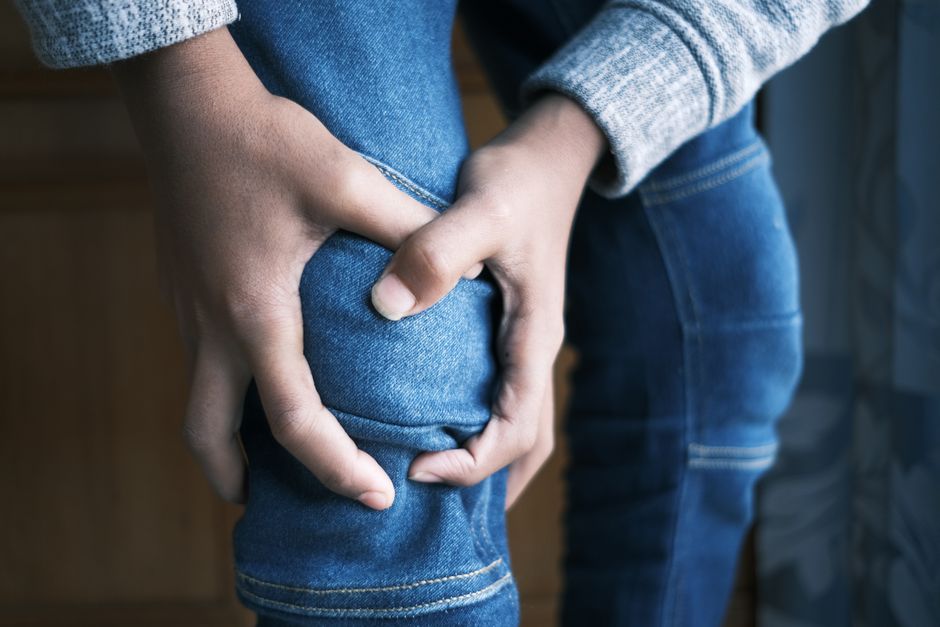
Yes, the sciatic nerve can absolutely cause hip pain. In fact, hip pain is one of the most common symptoms of sciatica. The sciatic nerve runs from your lower back down through your buttock and into your hip before traveling down your leg. When something presses on or irritates this nerve, the pain often lands right in the hip joint area. But here is the catch—hip pain from sciatica feels different from hip pain caused by arthritis or a labral tear. Knowing the difference matters because the treatment is completely different.
Can Sciatic Nerve Cause Hip Pain Directly?
Yes, it can. The sciatic nerve is the largest nerve in your body. It branches out from your lower spine, passes through the deep muscles of your buttock, and runs right behind your hip joint. When the nerve gets compressed or inflamed, the pain can feel like it is coming from inside your hip.
Research published in the journal Spine has found that up to 40 percent of people with sciatica report pain in the hip region. The pain is usually a dull ache or a sharp shooting sensation. It often moves. One moment it is in your lower back. The next it is deep in your hip. Then it may shoot down your thigh.
The confusion happens because the hip joint and the sciatic nerve sit very close together. Your brain is not great at telling exactly where nerve pain is coming from. So when the sciatic nerve is irritated, your brain interprets the signal as hip pain.
How to Tell If Your Hip Pain Is Actually Sciatica
This is where most people get it wrong. They assume any pain in the hip means something is wrong with the hip joint. But the symptoms of sciatic hip pain are distinct.
Sciatic hip pain usually has these features:
- Pain that starts in the lower back or buttock and moves into the hip
- A burning or electrical shooting sensation
- Pain that gets worse when you sit for long periods
- Numbness or tingling that travels down the leg
- Pain that is worse on one side of the body
Hip joint pain from arthritis or injury feels different. It is usually a deep, dull ache right in the groin or the front of the hip. It gets worse when you walk or put weight on that leg. It does not shoot down your leg. It does not tingle.
The American Academy of Orthopaedic Surgeons notes that true hip joint pain is almost always felt in the groin area. Pain on the outside of the hip or in the buttock is rarely from the hip joint itself. That is a key distinction.
What Causes the Sciatic Nerve to Cause Hip Pain?
The most common cause is a herniated disc in the lower spine. The disc presses on the nerve root that forms the sciatic nerve. That pressure sends pain signals down the nerve pathway, which includes the hip.
Another common cause is piriformis syndrome. The piriformis is a small muscle deep in your buttock. The sciatic nerve runs directly under or sometimes through this muscle. When the piriformis muscle gets tight or spasms, it squeezes the nerve. The result is pain that feels like it is in the hip.
The CDC reports that about 40 percent of people will experience sciatica at some point in their lives. For most, it resolves within a few weeks. But for some, it becomes a recurring problem that flares up with certain movements or positions.
Less common causes include spinal stenosis, which is a narrowing of the spinal canal, and spondylolisthesis, where a vertebra slips out of place. Both can compress the sciatic nerve roots and cause referred pain to the hip.





What Does the Research Say About Treatment?
This is where the honest answer gets uncomfortable. Most treatments for sciatic hip pain have weak evidence behind them. A 2020 review published in JAMA Internal Medicine looked at dozens of studies on sciatica treatments. The findings were sobering.
For most people, time is the best treatment. Studies show that 80 to 90 percent of sciatica cases resolve on their own within six weeks. The body reabsorbs the herniated disc material, or the inflammation subsides, and the nerve stops being irritated.
Physical therapy has moderate evidence. The key is specific exercises that mobilize the nerve and strengthen the core muscles that support the spine. Not all physical therapy is equal. A therapist who understands nerve mechanics is important.
Anti-inflammatory medications like ibuprofen or naproxen can help with the pain in the short term. But research shows they do not speed up recovery. They just make the waiting more tolerable.
Here is a comparison of common treatments based on the evidence:
| Treatment | Evidence Level | What It Actually Does |
|---|---|---|
| Time and rest | Strong | Allows natural healing; 80-90% recover in 6 weeks |
| Physical therapy | Moderate | Improves nerve mobility and core stability |
| NSAIDs (ibuprofen, naproxen) | Moderate for pain | Reduces inflammation but does not cure the cause |
| Chiropractic adjustment | Weak to moderate | Some people report relief; studies are mixed |
| Epidural steroid injections | Moderate for short-term | Can reduce inflammation around the nerve for weeks to months |
| Surgery | Strong for specific cases | Only when severe weakness or bowel/bladder issues occur |
One non-obvious insight from the research is that staying active is better than bed rest. Older advice told people to lie flat for days. Current evidence from multiple studies shows that gentle movement helps the nerve heal faster. Bed rest for more than a day or two actually weakens the muscles that support your spine.
When Is Hip Pain Not from the Sciatic Nerve?
This is critical because treating the wrong problem wastes time and money. Hip pain that comes from the joint itself—osteoarthritis, labral tears, or bursitis—needs different care.
Osteoarthritis of the hip affects about 27 million Americans according to the CDC. The pain is in the groin, not the buttock or outer hip. It is worse in the morning and after sitting for a while. It gets better with movement and worse again with overuse. Sciatica does not follow that pattern.
Bursitis causes pain on the outside of the hip, right at the bony point. It hurts when you lie on that side or press on the area. Sciatic nerve pain does not cause tenderness to touch on the outer hip.
A labral tear causes a catching or clicking sensation deep in the hip joint. It is common in athletes and people with hip structural abnormalities. The pain is sharp and specific to certain movements like twisting. Sciatica does not click or catch.
If your pain is in the groin, feels like a deep ache, and gets worse with walking uphill, it is likely your hip joint, not your sciatic nerve. An MRI can tell the difference, but a good physical exam by a doctor who understands both conditions is often enough.
What to Avoid When You Have Sciatic Hip Pain
There is a lot of bad advice online. Here is what the evidence says to skip.
Avoid prolonged sitting. Sitting increases pressure on the sciatic nerve. If you have a desk job, stand up every 20 minutes. Even 30 seconds of standing resets the pressure.
Avoid heavy lifting with a bent back. If you must lift something, bend your knees and keep your back straight. A single bad lift can turn mild sciatica into severe pain.
Do not stretch your hamstrings aggressively. Many people think tight hamstrings cause sciatica. The reverse is often true. The irritated nerve makes the hamstrings tighten as a protective reflex. Forcing a hamstring stretch can pull on the nerve and make things worse.
Some people report that massage guns or deep tissue work on the buttock helps. Strong evidence is limited here. The danger is that pressing directly on an already irritated nerve can increase inflammation. Gentle is better than aggressive.
Avoid chiropractic adjustments that involve twisting the lower back forcefully. While some people benefit from gentle mobilization, high-velocity twists can aggravate a herniated disc. The American College of Physicians recommends trying physical therapy before spinal manipulation for sciatica.
Frequently Asked Questions
Can sciatica cause hip pain on both sides?
It is rare but possible. Most sciatica is one-sided because a herniated disc usually presses on one nerve root. Bilateral hip pain is more likely from spinal stenosis or a condition affecting both sides of the spine.
How long does sciatic hip pain usually last?
Most cases resolve within four to six weeks without treatment. If the pain lasts longer than eight weeks or gets worse, see a doctor for imaging to rule out other causes.
Does walking help or hurt sciatic hip pain?
Walking helps for most people because it keeps the nerve moving and prevents stiffness. If walking makes the pain worse, slow down and take shorter steps until you find a pace that does not aggravate it.
When should I go to the emergency room for sciatic hip pain?
Go to the ER if you lose control of your bladder or bowels, or if you develop sudden numbness in your groin area. These are signs of cauda equina syndrome, which requires emergency surgery.
