
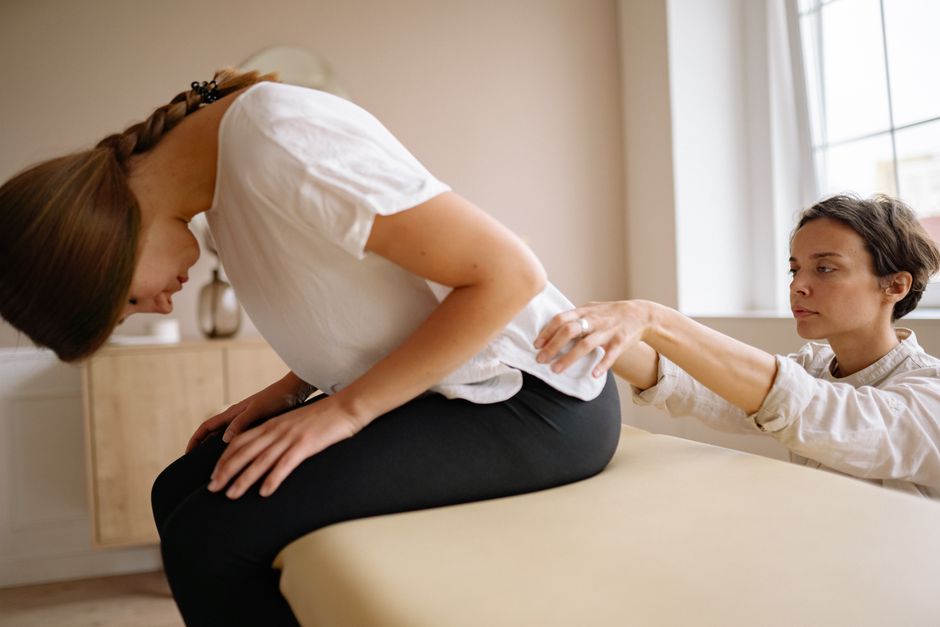
Back pain is a very common part of late pregnancy, but is it a sign that labour is starting? The short answer is yes, but it is not that simple. Labour can cause specific types of back pain, yet most back pain in the final weeks is not a sign of active labour at all. Understanding the difference between general pregnancy aches and true labour-related back pain can help you know when to call your midwife or doctor.
What Does Labour Back Pain Actually Feel Like?
Labour-related back pain is different from the usual aches of pregnancy. It is often described as a deep, dull ache or a heavy, cramping sensation in the lower back that comes in waves.
These waves are contractions. The pain typically builds in intensity, peaks, and then fades away. Between contractions, the pain eases or disappears completely. This rhythmic pattern is the key feature that separates labour pain from general discomfort.
Some people experience what is called “back labour.” This is when the pain is felt almost entirely in the lower back rather than the abdomen. It can feel like intense pressure or a constant ache that gets worse with each contraction. Back labour often happens when the baby is in a position called occiput posterior (OP), meaning the baby’s head is pressing against the mother’s spine.
How Is Labour Back Pain Different from Normal Pregnancy Back Pain?
Normal pregnancy back pain is usually constant or related to movement. It might be worse after standing for a long time, lifting something, or changing positions in bed. It does not come and go in a rhythmic pattern.
Labour pain has a distinct timing. The contractions become longer, stronger, and closer together over time. This is a measurable change. General pregnancy aches, on the other hand, tend to stay the same level of intensity throughout the day or fluctuate without a clear pattern.
Another difference is the location. Pregnancy-related back pain often centers in the lower back and pelvis, where the joints are loosening due to hormones. Labour pain may start in the back but often radiates to the abdomen, hips, or thighs. If the pain is rhythmic and intensifying, it is more likely to be labour.
Can Back Pain Alone Mean Labour Is Starting?
Yes, but it is not the only sign. Some women, particularly those having back labour, may feel strong contractions in their back before they notice any abdominal tightening. In this case, back pain can be the primary sign of early labour.
However, isolated back pain without any other symptoms is rarely the start of labour. Most women who go into labour will also notice other signs, such as a “show” (a mucus plug that passes), their waters breaking, or regular contractions that can be felt in the abdomen.
Research shows that pre-labour back pain is extremely common. One study found that over half of pregnant women report back pain in the final weeks, but only a small fraction of these women are actually in labour when the pain begins. The pain is usually related to the physical strain of carrying extra weight, postural changes, and hormonal loosening of the joints.
If you have back pain that is not rhythmic and not accompanied by other labour signs, it is most likely not labour. It is more likely musculoskeletal discomfort, which is a normal part of the third trimester.





What Other Signs Should You Watch For?
To determine if back pain is labour-related, look for these accompanying signs:
- Regular contractions: The pain comes in a pattern that gets closer together.
- Lower abdominal cramping: Pain that moves from the back to the front.
- Bloody show: A pink or brownish mucus discharge.
- Waters breaking: A gush or steady trickle of fluid.
- Pelvic pressure: A feeling that the baby has dropped lower.
If you have back pain with any of these signs, it is time to contact your maternity team. They can assess whether you are in early labour or active labour.
If the back pain is constant, does not come in waves, and is not accompanied by other symptoms, it is likely just pregnancy discomfort. Rest, warm compresses, and gentle stretching may help, but you should always mention persistent pain to your provider.
When Should You Call Your Doctor or Midwife?
You should call your healthcare provider if your back pain is rhythmic and becoming more regular. You should also call if you have any signs of preterm labour, which is labour before 37 weeks. Back pain that is severe, sudden, or accompanied by fever, chills, or burning with urination could be a sign of a urinary tract infection or kidney infection, which requires medical attention.
If your back pain is accompanied by vaginal bleeding, a sudden gush of fluid, or a decrease in your baby’s movements, seek medical care immediately. These can be signs of complications that need urgent evaluation.
For typical late-pregnancy back pain that is not labour, there are safe options. Gentle prenatal yoga, warm baths, and supportive pillows can provide relief. Some research suggests that chiropractic care and prenatal massage may help, but you should always check with your provider before starting any new treatment during pregnancy.
Is Back Labour Different from Regular Labour?
Back labour is a term used when the pain of contractions is felt predominantly in the lower back. It is not a medical diagnosis but a description of a common experience. It happens most often when the baby is in the occiput posterior position, meaning the baby is facing the mother’s abdomen instead of her spine.
In this position, the hardest part of the baby’s head presses against the mother’s sacrum, which is the bone at the base of the spine. This pressure causes intense back pain during contractions.
Back labour is not more dangerous than regular labour, but it is often more painful. Some studies suggest it can be associated with longer labours and a higher chance of assisted delivery, but the evidence is mixed. The key point is that the pain is real and can be managed with position changes, counter-pressure from a partner, and other pain relief options.
What Does the Research Say About Predicting Labour?
Research on predicting the onset of labour is limited. There is no single reliable sign that tells you exactly when labour will start. Back pain, pelvic pressure, and Braxton Hicks contractions (practice contractions) are all common in the final weeks, but none of them reliably predict the start of true labour.
Some research has looked at cervical changes, hormone levels, and other biomarkers, but none are accurate enough for everyday use. The most reliable indicator of active labour is regular, progressive contractions that cause the cervix to dilate. This can only be confirmed by a healthcare provider.
If you are experiencing back pain, the best approach is to track it. Note the timing, duration, and intensity of the pain. If it becomes regular and does not go away with rest or position changes, it may be labour. If it stays the same or eases with rest, it is likely not.
It is always better to call your midwife or doctor if you are unsure. They are used to answering these questions and can offer guidance based on your specific situation. No provider will mind a call that turns out to be a false alarm.
Frequently Asked Questions
Can back pain be the only sign of labour?
Yes, back pain can be the only early sign, especially in back labour. However, most back pain in late pregnancy is not labour, so look for rhythmic patterns or other signs like contractions or a show.
How early can labour back pain start?
Labour back pain starts when contractions begin, which can be days before active labour in some cases. Early labour contractions can feel like a dull backache that comes and goes over several hours.
What does labour back pain feel like compared to normal back pain?
Labour back pain comes in waves and builds to a peak before easing off. Normal pregnancy back pain is usually constant or tied to movement and does not follow a rhythmic pattern.
Does back labour mean the baby is in a bad position?
Not necessarily a bad position, but back labour is often linked to the baby facing the mother’s abdomen. The baby can still be born safely this way, though the pain may be more intense.
