
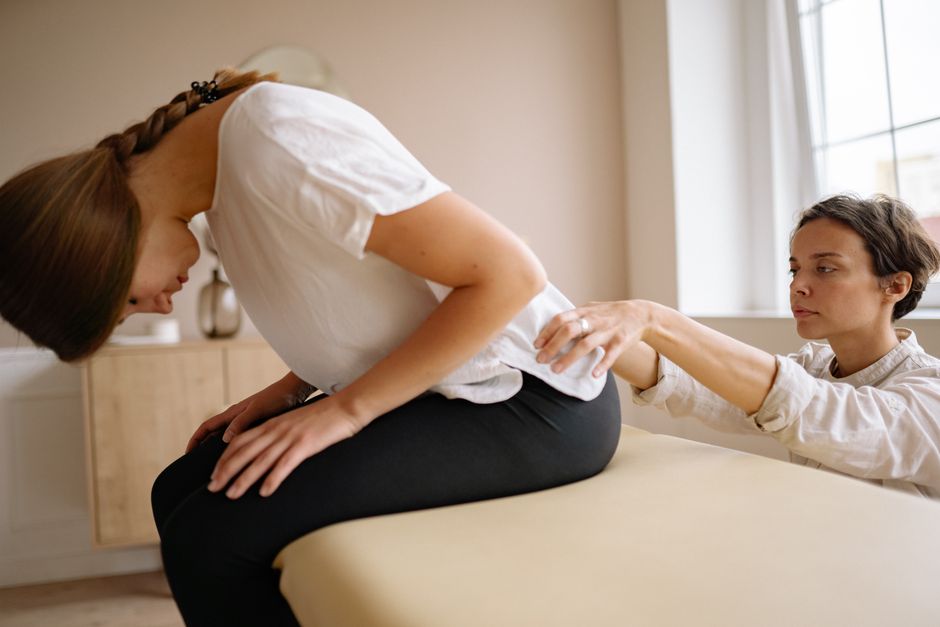
Kidney pain and back pain feel similar, but they come from different places and need different care. Kidney pain sits high on one side of the back, usually under the ribs, and it does not go away when you change positions. Back pain is more common, often tied to muscle strain, and it shifts with movement. Knowing which one you have matters because kidney pain can signal an infection or a stone that needs medical attention.
How Can You Tell Kidney Pain from Back Pain?
The location is the first clue. Kidney pain is typically felt on one side of the upper back, just below the rib cage. It can also wrap around toward your belly or groin. Back pain from muscles or the spine is usually lower, centered in the lumbar region, and often spreads across the entire lower back.
Movement is the second clue. Muscle-related back pain often worsens with twisting, bending, or lifting. It may ease when you rest or find a comfortable position. Kidney pain does not respond to position changes. You can lie flat, sit up, or stretch, and the ache stays constant.
The nature of the pain differs too. Kidney pain tends to feel deep and dull, though a kidney stone can cause sharp, cramping waves. Back pain from a strain often feels like a persistent ache or a burning sensation along the muscles.
What Does Kidney Pain Feel Like?
Kidney pain is usually felt on one side of the body, high in the back under the ribs. It is often described as a dull, constant ache. Some people feel it radiate toward the lower abdomen or inner thigh.
When a kidney stone moves, the pain changes. It becomes intense, comes in waves, and can be unbearable. This is called renal colic. It often starts in the flank and moves downward as the stone travels through the urinary tract.
Kidney infections add other symptoms. Fever, chills, nausea, and painful urination often accompany the pain. If you have these together, the kidneys are the likely source.
What Does Back Pain Feel Like?
Most back pain is mechanical. It comes from muscles, ligaments, or the spine itself. It usually starts after lifting something heavy, twisting awkwardly, or sitting in one position for too long.
Muscle strain pain feels like a dull ache or stiffness. It may be tender to the touch. It often improves with gentle movement and worsens with prolonged standing or sitting.
Nerve-related back pain feels different. If a disc presses on a nerve, you may feel sharp, shooting pain down your leg. This is sciatica. It can include numbness or tingling. Kidney pain never causes these symptoms.
-
 Can Lower Back Pain Be Caused by Kidney Stones? The Real Answer
 -
How to Tell Kidney Pain from Back Pain? Easy Steps to Follow
-
How to Tell If Back Pain is Muscular or Kidney? A Simple Guide
-
Could Kidney Stones Cause Back Pain? What You Need to Know
-
Joint Vive Reviews And Complaints 2026: Consumer Reports & Ratings





Key Differences at a Glance
| Feature | Kidney Pain | Back Pain |
|---|---|---|
| Location | One side, high back under ribs | Lower back, often centered |
| Response to movement | No change with position | Worsens with bending or twisting |
| Pain quality | Deep, dull, or cramping waves | Ache, stiffness, or shooting |
| Associated symptoms | Fever, nausea, painful urination | Numbness or tingling in legs |
| Radiation | Toward belly or groin | Down the leg |
What Causes Kidney Pain?
The kidneys sit deep inside your body, protected by the lower ribs and back muscles. Pain from the kidneys usually means something is stretching the kidney capsule or blocking urine flow.
Kidney stones are the most common cause of sudden, severe kidney pain. Stones form when minerals in urine crystallize. Small stones may pass without notice. Larger stones can block the ureter, causing intense pain and sometimes blood in the urine.
Kidney infections (pyelonephritis) cause pain along with fever and chills. Bacteria usually travel up from the bladder. This condition needs prompt treatment with antibiotics because the infection can spread to the bloodstream.
Less common causes include a swollen kidney from urine backup (hydronephrosis), bleeding in the kidney, or a mass. Trauma to the flank area can also cause kidney pain.
What Causes Back Pain?
Back pain is one of the most common reasons people see a doctor. Most cases are mechanical and temporary.
Muscle strain happens when fibers tear from overuse or sudden movement. This is the most common cause of acute back pain. It usually improves within a few weeks with rest and gentle activity.
Disc problems occur when the cushioning discs between vertebrae bulge or rupture. A bulging disc can press on nearby nerves. This causes pain that radiates down the leg, sometimes with numbness.
Spinal stenosis is a narrowing of the spaces in the spine. It puts pressure on the spinal cord and nerves. This is more common in older adults and often causes pain that worsens with walking.
Osteoarthritis of the spine causes wear-and-tear damage to the joints. It leads to stiffness and pain, especially in the morning.
When Should You See a Doctor?
Some situations require urgent medical care. If you have back or flank pain along with a fever, seek care quickly. This combination suggests an infection that may need antibiotics.
Sudden, severe pain that comes in waves could be a kidney stone. If the pain is too intense to sit still, go to urgent care or the emergency room.
Blood in your urine always warrants a medical evaluation. This can signal a stone, an infection, or another kidney problem.
Back pain that follows a fall or injury also needs assessment. So does pain accompanied by weakness in your legs or loss of bladder or bowel control. These symptoms may indicate nerve compression that requires urgent treatment.
For ordinary back pain without these warning signs, you can start with self-care. Gentle heat, over-the-counter pain relievers, and staying active usually help. If the pain lasts more than a few weeks or interferes with daily life, see a doctor.
How Do Doctors Tell the Difference?
Doctors start with your history. They ask where the pain started, what makes it worse, and whether you have other symptoms like fever or urinary changes.
A physical exam helps narrow the cause. Your doctor may press on your flank to check for kidney tenderness. They may ask you to bend or twist to test muscle involvement.
A urine test is the quickest way to check the kidneys. Blood, protein, or bacteria in the urine points to a kidney problem. This test takes minutes and is highly reliable for detecting infection or stones.
Imaging may be needed. An ultrasound or CT scan can show stones, blockages, or structural problems in the kidneys. For back pain, an MRI can reveal disc or nerve issues.
Blood tests check kidney function and look for signs of infection. Elevated white blood cell counts suggest an infection somewhere in the body.
Can Kidney Problems Cause Back Pain?
Yes, but this is less common than muscle-related back pain. Kidney pain is felt in the back because that is where the kidneys sit. The pain signals travel along the same nerve pathways as back pain.
However, kidney pain has distinct features. It is usually one-sided, constant, and not affected by movement. It often comes with urinary symptoms or fever. If you have these features, the kidneys deserve a closer look.
Some kidney conditions cause no pain at all. Chronic kidney disease, for example, typically does not cause back pain until it is advanced. The kidneys themselves have few pain receptors. Pain usually means the capsule around the kidney is stretched or urine flow is blocked.
What Should You Do at Home?
For suspected muscle back pain, home care is reasonable. Apply heat for 20 minutes at a time. Take an over-the-counter anti-inflammatory like ibuprofen if you can take it safely. Stay active but avoid heavy lifting or twisting movements.
For suspected kidney pain, do not try to treat it at home. Drink water if you think a small stone may be passing, but seek medical advice if the pain is significant. A kidney infection requires prescription antibiotics.
If you are unsure which type of pain you have, err on the side of caution. Seeing a doctor for a urine test is simple and quick. It can rule out kidney problems and give you peace of mind.
Frequently Asked Questions
Is kidney pain worse when you press on it?
Yes, pressing on the flank area can worsen kidney pain, especially with an infection. Muscle pain may also be tender, so this alone does not confirm the cause.
Can a kidney stone cause lower back pain?
Yes, kidney stone pain can radiate from the flank toward the lower back and groin. The pain typically moves as the stone travels through the urinary tract.
Does drinking water help kidney pain?
Staying hydrated helps prevent kidney stones and may help small stones pass. It does not relieve pain from a kidney infection, which requires antibiotics.
How long does kidney pain last?
Kidney pain from an infection lasts until antibiotics take effect, usually within days. Stone pain can last hours to weeks depending on the size and location of the stone.
