
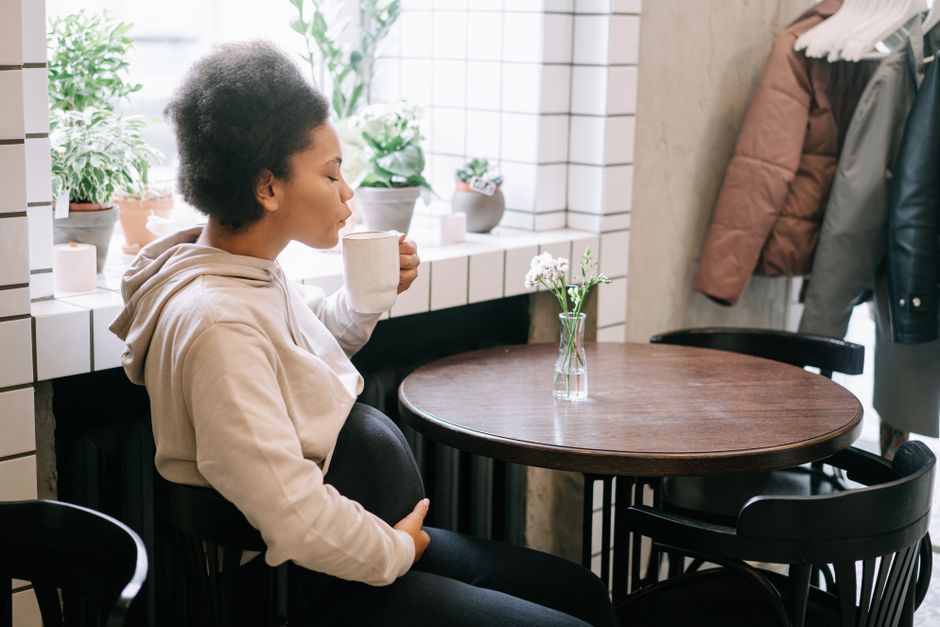
Drinking coffee while pregnant is a common question, and the short answer is yes, but with limits. Most health organizations agree that a moderate amount of caffeine is safe during pregnancy. The key is knowing what that limit is and sticking to it consistently.
Can Pregnant Drink Coffee Safely?
Yes, pregnant women can drink coffee, but the amount matters. The general consensus among medical experts is that up to 200 milligrams of caffeine per day is safe for most pregnancies.
That 200 mg limit equals about one 12-ounce cup of regular coffee. It is a guideline, not a guarantee. Some women may be more sensitive to caffeine, and your doctor may recommend a lower amount or none at all.
Why Does Caffeine Matter During Pregnancy?
Caffeine crosses the placenta. This means it reaches your baby, who cannot process it the way you do. Your body breaks down caffeine at a slower rate during pregnancy, so it stays in your system longer than it would normally.
The concern is not just about the caffeine itself. High caffeine intake has been linked to a higher risk of low birth weight and miscarriage in some studies. The evidence is not definitive, but it is enough for health experts to recommend limits.
Your baby’s liver is immature. It cannot metabolize caffeine effectively. This is why the substance lingers in the fetal system for much longer than in yours.
How Much Caffeine Is in Common Drinks?
Caffeine content varies widely depending on the drink and how it is prepared. Knowing what is in your cup helps you stay within the daily limit.
| Drink | Approximate Caffeine |
|---|---|
| Brewed coffee (8 oz) | 95 mg |
| Espresso (1 oz) | 64 mg |
| Instant coffee (8 oz) | 62 mg |
| Black tea (8 oz) | 47 mg |
| Green tea (8 oz) | 28 mg |
| Decaf coffee (8 oz) | 2 mg |
| Cola (12 oz) | 34 mg |
| Dark chocolate (1 oz) | 24 mg |
These are averages. A large coffee from a café can easily contain 200 mg or more. A single “grande” size at many coffee chains exceeds the daily limit for pregnancy.




Caffeine Is Not Only in Coffee
Many people forget that caffeine appears in tea, soda, chocolate, and some medications. If you drink a cup of coffee and then have a soda later, you are adding to your total.
Herbal teas are usually caffeine-free, but not all of them. Some teas marketed as energy drinks contain very high levels of caffeine. Check labels carefully.
Certain over-the-counter pain relievers contain caffeine. Some headache medications combine caffeine with acetaminophen or aspirin. Aspirin is not recommended during pregnancy, so check with your doctor before taking any medication.
The First Trimester Question
Some research suggests the risk may be highest in the first trimester. This is when the baby’s organs are forming. The evidence is not strong enough to change the overall recommendation, but some doctors advise extra caution early in pregnancy.
If you are in your first trimester and worried, you can reduce your caffeine intake or switch to decaf. This is a personal choice. The 200 mg limit applies throughout pregnancy, not just in specific trimesters.
Nausea and vomiting are common in the first trimester. Coffee can worsen these symptoms for some women. If coffee makes you feel sick, this is your body giving you a clear signal.
What About Decaf Coffee?
Decaf coffee is a reasonable alternative for most pregnant women. It still contains small amounts of caffeine, usually about 2 to 5 mg per cup. This is well within safe limits.
The decaffeination process uses chemicals or water to remove most of the caffeine. Some people worry about the chemicals used. The levels left behind are very low and are not considered a health concern by regulatory agencies.
Decaf is not the same as caffeine-free. If you want zero caffeine, you need a caffeine-free herbal tea or a coffee substitute made from grains or roots.
How to Cut Back Without Headaches
If you decide to reduce your caffeine intake, do it gradually. Stopping suddenly can cause withdrawal headaches, fatigue, and irritability. These symptoms are uncomfortable but not dangerous.
Mix regular coffee with decaf to ease the transition. Have half a cup of regular and half a cup of decaf. This cuts your caffeine in half while keeping the taste and ritual.
Switch to smaller cups. A smaller cup of regular coffee may keep you under your limit while still giving you the morning boost you want.
Track your intake for a few days. Write down everything you consume that contains caffeine. You may be surprised at how quickly it adds up.
Energy Drinks and Pregnancy
Energy drinks are a different category. They often contain very high amounts of caffeine, sometimes 200 mg or more in a single can. They also contain other stimulants and high sugar levels.
Most health experts advise avoiding energy drinks entirely during pregnancy. The caffeine content alone can exceed the daily limit in one serving. The other ingredients have not been studied for safety in pregnancy.
This is not the same as a cup of coffee. Energy drinks deliver caffeine in a concentrated form along with other active ingredients. There is no established safe level for these products in pregnancy.
What the Research Actually Shows
Studies on caffeine and pregnancy have produced mixed results. Some show a link between high caffeine intake and miscarriage or low birth weight. Others find no clear connection at moderate levels.
The research is complicated by the fact that nausea in early pregnancy often reduces caffeine intake naturally. Women with healthy pregnancies may drink less coffee simply because they feel sick. This can skew the data.
What the evidence does support is the 200 mg limit. Studies have not shown clear harm at this level. Above this level, the data becomes less reassuring.
Some research published in major medical journals has suggested that even lower amounts may carry some risk. This is why some experts recommend being more conservative. The safest approach is to discuss your specific situation with your healthcare provider.
Does Caffeine Affect Breastfeeding?
Caffeine does pass into breast milk, but in small amounts. Most experts consider moderate caffeine intake safe while breastfeeding. The same 200 mg daily limit is often used as a guideline.
Some babies are sensitive to caffeine. If your baby is fussy, restless, or has trouble sleeping, caffeine could be the cause. You can test this by reducing your intake for a few days to see if symptoms improve.
Timing matters. Caffeine peaks in breast milk about one to two hours after you drink it. Feeding your baby before or after this window can reduce exposure.
When to Talk to Your Doctor
Every pregnancy is different. Your doctor knows your medical history and any risk factors you may have. It is always reasonable to ask about caffeine if you have concerns.
Some conditions may warrant stricter limits. If you have a history of miscarriage, preterm labor, or high blood pressure, your doctor may recommend avoiding caffeine entirely.
If you have trouble staying under the limit, be honest with your doctor. They can help you create a plan that works for you. There is no judgment in asking for help.
Frequently Asked Questions
Can I drink one cup of coffee a day while pregnant?
Yes, one standard cup of coffee is generally within the 200 mg daily limit recommended for pregnancy. A 12-ounce brewed coffee contains about 95 mg of caffeine.
Is decaf coffee safe during pregnancy?
Yes, decaf coffee is safe and contains only about 2 to 5 mg of caffeine per cup. It is a good option if you want the taste without the caffeine.
Can caffeine cause miscarriage in early pregnancy?
Some studies suggest high caffeine intake may increase miscarriage risk, but the evidence is not conclusive at moderate levels. Staying under 200 mg per day is the current recommendation.
What happens if I accidentally drink too much caffeine while pregnant?
One instance of exceeding the limit is unlikely to cause harm. The risk is associated with regular high intake, not a single day. Just return to your normal limit the next day.
