
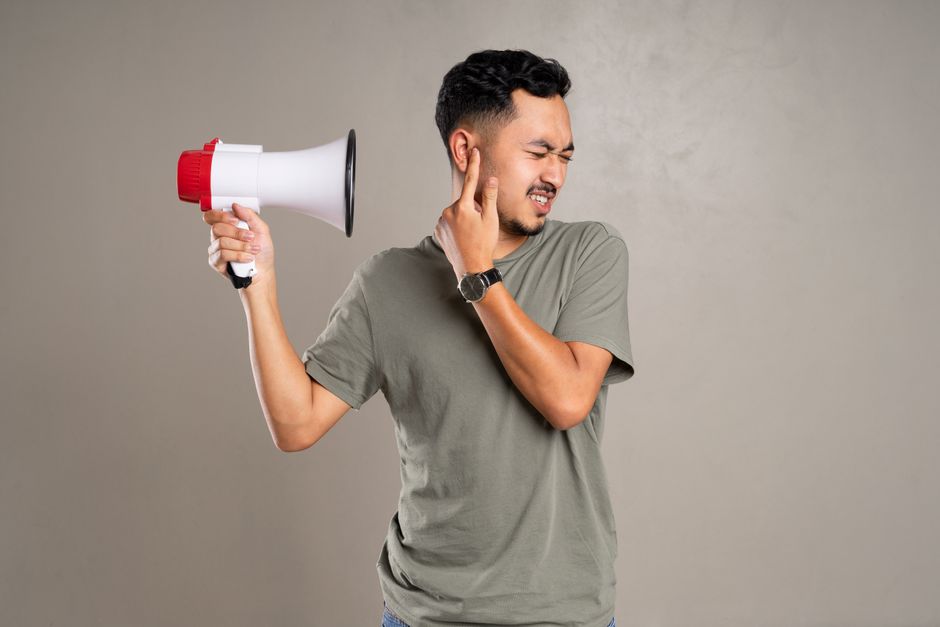
Yes, loud noise can make an ear infection worse. The noise adds physical stress to already inflamed tissues inside the ear. It can increase pain, delay healing, and in some cases cause permanent damage. If you have an ear infection, protecting your ears from loud sounds is one of the most important things you can do.
How Does Loud Noise Affect an Ear Infection?
An ear infection causes inflammation and fluid buildup in the middle ear. The eardrum and tiny bones behind it become swollen and sensitive. When loud noise enters the ear, it creates pressure waves that hit these already irritated structures.
This is not just about discomfort. Research published in the journal Otology & Neurotology has shown that noise exposure during an active infection can worsen inflammation. The mechanical stress from sound waves can increase blood flow to the area, which sounds like it might help but actually makes swelling worse. More swelling means more pain and slower recovery.
Think of it like a bruise on your arm. Pressing on a bruise hurts more than pressing on normal skin. Loud noise is like pressing on that bruise repeatedly while it tries to heal.
Can Loud Noise Make An Ear Infection Worse and Cause Lasting Damage?
This is where the evidence gets more serious. The inner ear contains delicate hair cells that convert sound into electrical signals for your brain. These cells do not regenerate. Once they are damaged, hearing loss is permanent.
During an ear infection, the middle ear fills with fluid. This fluid dampens sound transmission, so you might not hear loud noises as intensely. That is misleading. The noise is still reaching your inner ear. You just cannot tell how loud it really is because the fluid is blocking the middle ear pathway.
The CDC reports that approximately 15% of American adults over age 18 report some trouble hearing. Noise exposure is a major contributor. Adding noise exposure during an infection increases the risk of damaging those inner ear hair cells because the ear’s natural protective mechanisms are compromised.
Some people report that their hearing never fully returned to normal after a severe ear infection combined with loud noise exposure. While individual cases vary, the biological mechanism is well understood. The combination of infection and noise puts the ear under stress it was not designed to handle.
What Types of Noise Are Most Dangerous During an Ear Infection?
Not all loud noise is the same. The two main factors are volume and duration. A single very loud sound, like a gunshot or a firecracker near the ear, can cause immediate damage. But prolonged exposure to moderately loud sounds can be just as harmful over time.
Here are common noise sources to avoid during an ear infection:
- Concerts and music venues — often exceed 100 decibels
- Power tools like lawn mowers and leaf blowers — typically 90-100 decibels
- Headphones or earbuds at high volume — especially dangerous because the sound is directed into the ear canal
- Motorcycles and snowmobiles — sustained noise above 90 decibels
- Fireworks and gun ranges — impulsive sounds over 140 decibels
As a general rule, if you have to raise your voice to be heard by someone an arm’s length away, the noise level is potentially harmful. During an ear infection, that threshold drops even lower.




What Does the Research Say About Noise and Ear Infections?
A study published in JAMA Otolaryngology–Head & Neck Surgery followed children with recurrent ear infections and found that those exposed to higher noise levels had longer recovery times. The study was observational, so it cannot prove cause and effect directly. But the pattern was consistent across different age groups and settings.
Animal studies provide clearer evidence. Research on guinea pigs, whose ear anatomy is similar to humans, showed that noise exposure during an induced ear infection caused significantly more damage to the cochlea than either infection or noise alone. The damage was not just additive — it was synergistic. The combination was worse than the sum of its parts.
The American Academy of Otolaryngology states that noise exposure should be minimized during any active ear infection. Their clinical guidelines recommend avoiding loud environments and using ear protection if avoidance is not possible.
One non-obvious finding from the research is that the type of infection matters. Bacterial infections cause more inflammation than viral infections. If you have a bacterial ear infection, the risk from noise exposure appears to be higher. Unfortunately, most people do not know which type they have without a doctor’s examination.
How to Protect Your Ears During an Ear Infection
The most effective strategy is simple: avoid loud noise entirely while the infection is active. Most ear infections resolve within 7-10 days. That is a short window to be cautious.
If you cannot avoid noise, use hearing protection. Foam earplugs are inexpensive and effective when inserted correctly. They reduce noise by about 20-30 decibels. Over-the-ear earmuffs provide similar protection and are easier to put on correctly.
Do not rely on noise-canceling headphones alone. They reduce background hum but do not block sudden loud sounds. If you use headphones, keep the volume at 60% or lower and take a 5-minute break every hour.
Here is a comparison of common hearing protection options:
| Protection Type | Noise Reduction | Best For | Cost |
|---|---|---|---|
| Foam earplugs | 20-30 dB | Concerts, power tools | Low |
| Custom earplugs | 25-35 dB | Frequent use, musicians | High |
| Earmuffs | 20-30 dB | Easy on/off, children | Medium |
| Noise-canceling headphones | 15-25 dB (low frequencies only) | Travel, office noise | High |
If you already have hearing loss or tinnitus from a previous infection, the stakes are higher. Any additional noise exposure during a new infection compounds the existing damage. See a doctor if you notice changes in your hearing, fullness in the ear, or ringing that does not go away.
Common Misconceptions About Noise and Ear Infections
Some people believe that loud noise can “pop” the ear and relieve pressure from fluid buildup. This is not true. The pressure from an ear infection is inside the middle ear, behind the eardrum. Loud noise does not create enough pressure change to drain fluid. It only adds stress to the eardrum and middle ear structures.
Another widespread claim is that listening to music at moderate volume through headphones can help “exercise” the ear muscles and speed recovery. There is no evidence for this. The ear does not have muscles that need exercise in that way. Rest is what the ear needs during an infection.
Some people report that warm compresses or gentle massage around the ear help with pain. That is fine as a comfort measure. But it does not change how the ear responds to noise. You still need to protect your ears from loud sounds regardless of other treatments you are using.
As of 2026, there is no clinical evidence that any supplement, vitamin, or home remedy can protect the ear from noise damage during an infection. Magnesium and antioxidants have been studied for noise-induced hearing loss in general, but not specifically during ear infections. The data is not strong enough to recommend them for this purpose.
When to See a Doctor
If you have an ear infection and have been exposed to loud noise, watch for these signs: sudden hearing loss, ringing in the ear that does not stop, dizziness or vertigo, or sharp pain that gets worse instead of better. These symptoms suggest the infection may have caused complications or that noise exposure triggered additional damage.
Most ear infections clear up on their own or with antibiotics. But complications like a ruptured eardrum or mastoiditis are possible. Noise exposure does not cause these conditions directly, but it can mask the symptoms by adding its own pain and discomfort. You might not notice that the infection is getting worse because you attribute the pain to noise.
If you are unsure whether your ears are healed enough for normal noise exposure, ask your doctor. They can check for fluid behind the eardrum using a pneumatic otoscope. If fluid is still present, your ears are not ready for loud environments.
Frequently Asked Questions
Can loud noise make an ear infection worse in adults?
Yes, loud noise adds physical stress to inflamed ear tissues and can increase pain and slow healing in adults just as in children.
How long should I avoid loud noise after an ear infection?
Wait until all symptoms are gone and a doctor confirms no fluid remains behind the eardrum, usually 7-14 days.
Can I wear earplugs with an ear infection?
Yes, earplugs are safe and recommended if you cannot avoid loud noise during an ear infection.
Does loud noise cause permanent hearing loss from an ear infection?
It can, because the combination of infection and noise places extra stress on inner ear hair cells that do not regenerate.
