
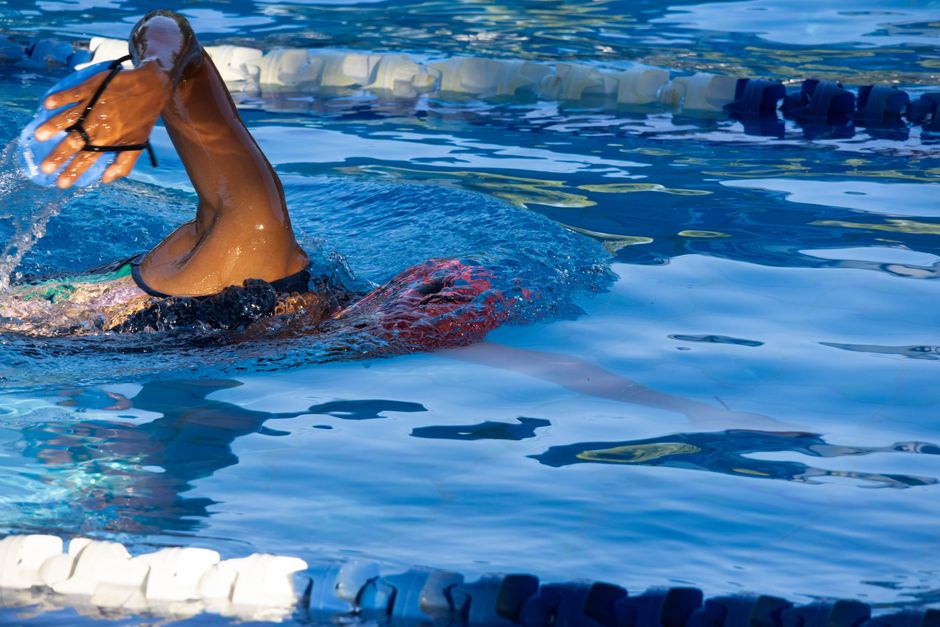
Swimmer’s ear is an infection of the ear canal, the tube that runs from the outer ear to the eardrum. It is usually caused by water staying in the ear after swimming, which creates a moist environment where bacteria can grow. The pain is often intense because the canal is tight and the skin there is thin and sensitive. Treatment focuses on clearing the infection and managing the pain, and most cases improve within a few days with proper care.
What Is Swimmer’s Ear and How Does It Happen?
Swimmer’s ear is different from a middle ear infection, which is common in children and involves the area behind the eardrum. Swimmer’s ear affects only the outer ear canal. The medical name is otitis externa.
When water stays trapped in the ear, the skin inside the canal becomes soft and can crack. Bacteria that normally live on the skin can then enter those breaks and multiply. Scratching the ear with fingers, cotton swabs, or other objects can also damage the delicate lining and make the infection worse.
Fungal infections can cause swimmer’s ear too, but bacteria are the cause in most cases. The most common bacterial culprits are Pseudomonas aeruginosa and Staphylococcus aureus. These are everyday bacteria, not unusual or dangerous germs.
What Helps With Swimmers Ear Pain And Infection?
The most effective treatment for swimmer’s ear is a prescription ear drop that combines an antibiotic to kill the bacteria and a steroid to reduce inflammation. These drops are applied directly into the ear canal, usually several times a day for about a week.
Common prescription options include drops containing ciprofloxacin, ofloxacin, or neomycin combined with a corticosteroid like hydrocortisone or dexamethasone. These work well because they deliver medication exactly where the infection is. Oral antibiotics are rarely needed unless the infection has spread beyond the ear canal.
For pain, over-the-counter medications like acetaminophen or ibuprofen are usually sufficient. The pain from swimmer’s ear can be severe for the first 48 hours, and taking pain relievers on a regular schedule during that time is more effective than waiting until the pain becomes unbearable.
How to Apply Ear Drops Correctly
Applying ear drops properly matters as much as the medication itself. If the drops do not reach the infected skin, they cannot work.
Lie on your side with the affected ear facing up. Have someone else put the drops in if possible. After placing the drops, stay in that position for 3 to 5 minutes so the liquid can travel down the canal. You can gently pull the outer ear backward and upward to help open the canal.
If the canal is very swollen, the drops may not get through. Some doctors recommend placing a small piece of cotton coated with the drops into the ear for the first day or two. This is called a wick, and it helps deliver medication past the swelling. Only do this if your doctor instructs you to.





What Not to Do When You Have Swimmer’s Ear
Keep the ear dry while treating the infection. Water that enters the canal can wash out the medication and make the infection worse. Use a shower cap or a cotton ball coated with petroleum jelly in the outer ear when showering.
Do not put anything inside the ear. Cotton swabs, bobby pins, fingers, and ear candles all make the irritation worse. They can push bacteria deeper into the canal and delay healing. Ear candles have no proven benefit and can cause burns or injury.
Do not use alcohol-based ear drops while you have an active infection. These products are meant for prevention in healthy ears. They sting severely on infected skin and can increase inflammation.
When to See a Doctor
Swimmer’s ear often improves within 48 to 72 hours of starting treatment. If pain worsens after two days of using prescribed drops, or if you develop fever, swelling around the ear, or discharge that looks like pus, see a doctor.
Certain groups need medical care sooner. People with diabetes, weakened immune systems, or a history of ear surgery should not try to manage swimmer’s ear at home. In these cases, the infection can spread more quickly and cause serious complications.
Severe pain that does not respond to pain relievers, or pain that spreads to the jaw or neck, requires prompt medical evaluation. This can be a sign that the infection has spread beyond the ear canal.
How to Prevent Swimmer’s Ear
Prevention is mostly about keeping the ear canal dry after swimming or bathing. Tilt your head to each side to let water drain out. Gently dry the outer ear with a towel, but do not insert the towel into the canal.
Over-the-counter drying drops can be used after swimming for people who get recurrent infections. These typically contain isopropyl alcohol and acetic acid. The alcohol helps evaporate trapped water, and the acid restores the normal pH of the canal, making it less hospitable to bacteria.
These drying drops are safe for most people, but they should not be used if you have a perforated eardrum, an active ear infection, or a history of ear surgery. If you are unsure whether your eardrum is intact, do not use them. A doctor can check this easily.
Some studies suggest that a mixture of one part white vinegar and one part rubbing alcohol can work as a homemade preventive rinse. This is a common home remedy, but it has not been formally studied in large trials. If you choose to use it, apply only to healthy ears and stop if it causes burning.
Why Swimmer’s Ear Hurts So Much
The pain of swimmer’s ear is out of proportion to how the infection looks. The ear canal is a narrow tube lined with skin that is tightly attached to the underlying bone. There is almost no room for swelling.
When the skin becomes inflamed, it presses against the bone and against itself. This pressure activates pain receptors intensely. Moving the jaw, chewing, or touching the outer ear can make the pain spike because these movements shift the swollen tissues in the canal.
This is why the classic test for swimmer’s ear is the tragus sign. Pressing on the tragus, the small flap of cartilage in front of the ear opening, causes sharp pain in swimmer’s ear but not in a middle ear infection. This simple test helps doctors tell the two conditions apart.
How Long Does Swimmer’s Ear Last?
With proper treatment, most people feel significant improvement within 48 hours. The infection usually clears completely within 7 to 10 days. Pain often resolves before the canal looks completely normal again.
If symptoms do not improve after a few days of treatment, the diagnosis may need to be reconsidered. Some cases are caused by fungi, which require antifungal drops instead of antibiotics. Others may involve a foreign object in the ear or a skin condition like eczema that needs different treatment.
Recurrent swimmer’s ear is common in people who swim frequently, use earplugs, or have narrow ear canals. For these individuals, addressing the underlying cause is more important than treating each infection individually.
Frequently Asked Questions
Can I swim with swimmer’s ear?
No. You should avoid swimming until the infection has cleared. Water in the canal will wash out the medication and can make the infection worse.
Are over-the-counter ear drops effective for swimmer’s ear?
Over-the-counter drying drops can help prevent swimmer’s ear, but they are not strong enough to treat an active infection. Prescription antibiotic drops are the standard treatment.
Is swimmer’s ear contagious?
No. Swimmer’s ear is not spread from person to person. It develops when bacteria already on the skin enter damaged tissue in the ear canal.
Can I use hydrogen peroxide for swimmer’s ear?
Hydrogen peroxide can help remove debris and earwax, but it is not a treatment for infection. It can irritate inflamed skin and should not be used as a substitute for prescribed medication.
