

Life expectancy with a MAC lung infection varies widely depending on the person. For many people with mild disease who respond well to treatment, life expectancy is close to normal. For others with advanced lung damage or other serious health conditions, it can be significantly shorter. The key factors are how early the infection is caught, how well treatment works, and the person’s overall health.
What Exactly Is a MAC Lung Infection?
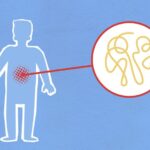
MAC stands for Mycobacterium avium complex. It is a group of bacteria found in soil and water. These bacteria are everywhere in the environment. Most people breathe them in without ever getting sick.
For some people, especially those with existing lung problems, the bacteria can cause a chronic lung infection. This is not contagious. You cannot catch it from another person. It is a slow-growing infection that can damage lung tissue over time.
The medical name for this condition is nontuberculous mycobacterial (NTM) pulmonary disease. MAC is the most common type of NTM that causes lung infections in the United States. The CDC estimates that NTM infections are becoming more common, though exact numbers are hard to pin down because reporting is not required in all states.
What Is The Life Expectancy With A Mac Lung Infection?
Research published in the journal Chest found that the five-year survival rate for people with MAC lung disease is around 80 to 85 percent. That means most people are still alive five years after diagnosis. This is much better than many people assume when they first hear the word “infection.”
However, survival rates drop for certain groups. People with cavitary disease — where the infection creates holes in the lung tissue — have a lower survival rate. One study from the National Institutes of Health found that the 10-year survival rate for people with cavitary MAC disease was about 55 percent. For people with nodular bronchiectatic disease, which is the more common form, the 10-year survival rate was closer to 75 percent.
These numbers are averages. They do not predict what will happen to any one person. Many people live 20 years or more after diagnosis with proper treatment and monitoring.
What Factors Most Affect Survival?
Several factors influence how long someone lives with a MAC infection. The most important one is the presence of other lung diseases. People with COPD, bronchiectasis, or cystic fibrosis tend to have worse outcomes because their lungs are already damaged.
Age at diagnosis matters. A study in the Annals of the American Thoracic Society showed that people diagnosed after age 65 had shorter survival times. This is partly because older adults often have other health conditions and may not tolerate the aggressive antibiotic treatment as well.
Body weight is another factor. Low body mass index (BMI) is strongly linked to worse outcomes. The infection itself can cause weight loss, and being underweight makes it harder for the body to fight the bacteria. This creates a cycle that can be hard to break.
The specific type of MAC infection also matters. The two main forms are:
- Nodular bronchiectatic disease — More common in older women. It progresses slowly. Many people live with it for years without major decline.
- Cavitary disease — More common in men and people with COPD. It causes more lung damage and has a worse prognosis.


How Does Treatment Affect Life Expectancy?
Treatment for MAC lung infection is long and difficult, but it does improve survival. The standard treatment is a combination of three antibiotics taken for 12 to 18 months. The most common regimen includes azithromycin, ethambutol, and rifampin.
Research shows that about 60 to 80 percent of people who complete treatment achieve negative sputum cultures, meaning the bacteria are no longer detectable. Those who clear the infection have much better survival rates than those who do not. A study in Chest found that people who achieved culture conversion had a five-year survival rate of 95 percent, compared to 72 percent for those who did not.
Treatment success depends on sticking with the medications. Side effects are common. Nausea, vision changes, and liver problems can make it hard to finish the full course. Some people need to switch medications or adjust doses. Working closely with a pulmonologist who specializes in NTM disease is critical.
Even after successful treatment, MAC can come back. Recurrence rates range from 10 to 30 percent within a few years. This means ongoing monitoring is necessary even after treatment ends.
What Lifestyle Changes Make a Real Difference?
There is no cure for MAC lung infection in the way antibiotics cure strep throat. But lifestyle changes can improve quality of life and possibly extend survival. The evidence here is mostly observational, but it is consistent enough to take seriously.
Maintaining a healthy weight is one of the most important things you can do. People with MAC who maintain a BMI above 20 tend to have better outcomes. If you are losing weight without trying, talk to your doctor about nutritional support. Some people need high-calorie supplements or feeding tubes in severe cases.
Pulmonary rehabilitation helps. This is a supervised program that includes exercise training, breathing techniques, and education. A 2019 study in Respiratory Medicine found that people with NTM disease who completed pulmonary rehab had better exercise capacity and fewer hospitalizations.
Avoiding environmental exposure matters too. MAC bacteria live in soil and water. You cannot avoid them completely, but you can reduce exposure. Use a shower filter to reduce aerosolized bacteria. Avoid gardening in dry, dusty conditions. Do not use humidifiers or vaporizers unless they are cleaned daily. The American Lung Association recommends using a HEPA filter in your bedroom.
| Factor | Better Prognosis | Worse Prognosis |
|---|---|---|
| Disease type | Nodular bronchiectatic | Cavitary |
| Age at diagnosis | Under 65 | Over 65 |
| BMI | Above 20 | Below 18.5 |
| Treatment response | Culture negative within 6 months | Persistently positive |
| Other lung disease | None or mild | COPD, severe bronchiectasis |
| Weight stability | Stable or gaining | Progressive weight loss |
Common Misconceptions About MAC Lung Infection
One of the most persistent myths is that MAC lung infection is a death sentence. This is simply not true. Most people with this condition live for many years. The infection is chronic and serious, but it is not terminal in the way advanced lung cancer is.
Another misconception is that MAC is the same as tuberculosis. They are related bacteria, but they behave differently. MAC grows much more slowly. It is harder to treat. But it is not as contagious. TB spreads through the air from person to person. MAC does not. You cannot give MAC to your family members.
Some people believe that once you finish treatment, you are cured. This is not accurate either. Treatment can suppress the bacteria to undetectable levels, but the bacteria may still be present in small numbers. Recurrence is possible. Ongoing monitoring with sputum cultures and CT scans is recommended.
A final misconception is that everyone needs the same treatment. Treatment is individualized. Some people with mild, stable disease may not need immediate antibiotics. Doctors sometimes take a “watch and wait” approach for people who have minimal symptoms and slow progression. This is not neglect — it is avoiding unnecessary side effects from strong medications.
What to Avoid When Managing MAC
Avoid relying on alternative medicine alone. There is no evidence that herbal supplements, essential oils, or dietary changes can kill MAC bacteria. Some supplements may even interfere with antibiotics. St. John’s wort, for example, reduces the effectiveness of rifampin. Always tell your doctor about any supplements you take.
Avoid stopping antibiotics early because you feel better. The standard treatment is 12 months of culture negativity, not 12 months total. Stopping early increases the risk of the bacteria coming back and being resistant to the same drugs. This is a real problem. Drug-resistant MAC is much harder to treat.
Avoid smoking. This may seem obvious, but it is worth stating directly. Smoking damages the lungs and makes it harder to clear the infection. A study in Chest found that current smokers with MAC had significantly worse survival than nonsmokers. If you smoke, quitting is one of the most impactful things you can do.
Avoid isolation. MAC is not contagious. You do not need to avoid family, friends, or public places. Depression and anxiety are common in people with chronic lung disease. Staying socially connected is important for mental health, which in turn affects physical health.
Frequently Asked Questions
Can you live a normal life with a MAC lung infection?
Many people with MAC live normal, active lives for years after diagnosis. The key is consistent treatment, regular monitoring, and managing other health conditions.
Is MAC lung infection always fatal?
No. Most people with MAC do not die from it. The five-year survival rate is about 80 to 85 percent, and many people live much longer.
How fast does MAC lung disease progress?
MAC progresses slowly, often over years. The nodular bronchiectatic form can remain stable for long periods. The cavitary form tends to progress faster.
What is the most common cause of death in MAC patients?
Most deaths in people with MAC are from other causes like heart disease, COPD, or other infections. Death directly from MAC is less common.
