
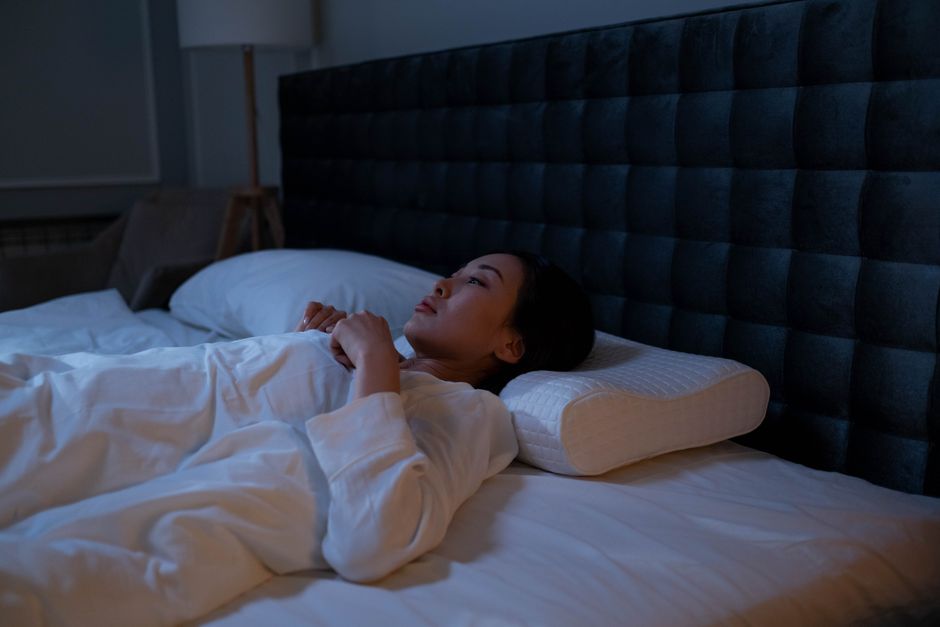
Yes, loss of sleep can cause anxiety. That answer is not in doubt. Sleep deprivation and anxiety feed each other in a loop that is well documented in clinical research: poor sleep raises the body’s stress response, and a raised stress response makes sleep harder to get. Understanding that loop is the first step toward breaking it.
What follows explains how the connection works, who is most at risk, and what the evidence actually supports when it comes to treatment and prevention. Some of it is firmly established. Some of it is still being studied. Both kinds of information are here, clearly labeled.
How Does Loss of Sleep Cause Anxiety?
Sleep and anxiety share overlapping brain circuitry. The amygdala, a small structure deep in the brain that helps process threat and fear, becomes more reactive after sleep loss. At the same time, the prefrontal cortex — the region that helps you think clearly and regulate emotional reactions — becomes less effective at putting the brakes on that reactivity.
This is not a metaphor. Brain imaging studies have shown that after even a single night of sleep deprivation, the amygdala responds more intensely to emotional images, while its communication with the prefrontal cortex is reduced. The result is a brain that is more alarmed by less.
Sleep loss also shifts the body’s stress hormone system. Cortisol, which normally follows a daily rhythm, can become dysregulated. The sympathetic nervous system — the “fight or flight” branch — stays more active. Heart rate may stay slightly elevated. The body reads these signals as evidence that something is wrong, even when nothing external is.
Over time, this can create a self-reinforcing pattern. Anxiety makes it hard to fall asleep. Poor sleep makes anxiety worse the next day. The cycle can become stubborn because each side keeps feeding the other.
Can One Bad Night’s Sleep Trigger Anxiety?
A single night of poor sleep can absolutely increase anxiety the next day. This is one of the more consistent findings in sleep research. After sleep deprivation, healthy adults often report feeling more irritable, more emotionally reactive, and more worried about things that would not normally bother them.
The effect is usually temporary. Most people return to their baseline after one or two nights of normal sleep. The anxiety that follows a single bad night is typically mild and situational — not a clinical anxiety disorder.
The picture changes with chronic sleep loss. When poor sleep continues for weeks or months, the temporary emotional effects can become more persistent. The brain adapts to a state of heightened alertness, and that adaptation can be hard to reverse without deliberate intervention.
This distinction matters. Occasional poor sleep is normal and generally not cause for concern. Ongoing sleep problems that affect mood, work, or relationships deserve attention from a healthcare provider.
Which Comes First — Anxiety or Sleep Problems?
Both directions are real, and often they happen at the same time. This is one of the more misunderstood aspects of the relationship.
In some people, anxiety comes first. Racing thoughts at bedtime, worry about the next day, or a general sense of unease can make it hard to fall asleep or stay asleep. The sleep problem is a symptom.
In others, sleep problems come first. Shift work, a new baby, a stressful life period, or a medical condition that disrupts sleep can lead to sleep loss. Anxiety develops afterward as the brain adjusts to chronic sleep deprivation.
In many people, the two develop together and become difficult to separate. Research on insomnia and anxiety consistently shows high rates of overlap. People with chronic insomnia are more likely to develop an anxiety disorder, and people with anxiety disorders are more likely to develop insomnia. Neither condition is simply a symptom of the other.





What Does Sleep Deprivation Anxiety Feel Like?
The anxiety that follows sleep loss tends to have a particular flavor. It often feels more physical and more reactive than the worry that comes from a specific concern.
- A sense of being “on edge” or easily startled
- Racing thoughts that are hard to slow down
- Irritability over small things
- Physical tension — tight jaw, clenched shoulders, shallow breathing
- Difficulty concentrating or making decisions
- A vague sense that something bad is about to happen
- Worsening of existing worries that normally feel manageable
These symptoms are not imagined. They reflect real changes in how the brain and body are processing threat signals. Recognizing them as sleep-related can sometimes reduce the secondary anxiety that comes from worrying about the anxiety itself.
Who Is Most at Risk?
Some people are more vulnerable to the sleep-anxiety loop than others. The evidence points to several groups.
People with a personal or family history of anxiety disorders appear more sensitive to the emotional effects of sleep loss. So do people with certain personality traits, such as a tendency toward high worry or negative affect.
Shift workers and people with irregular schedules are at higher risk because their sleep timing is constantly disrupted. New parents, caregivers, and people going through major life stress also tend to be more vulnerable.
Certain medical conditions can increase risk as well. Chronic pain, thyroid disorders, and some medications can disrupt sleep and amplify anxiety. Substance use — including alcohol and stimulants — can do the same.
Age matters too. Adolescents and young adults appear particularly sensitive to the mood effects of sleep loss, though the reasons are not fully understood. Older adults may be more likely to have sleep problems for other reasons, such as medication use or medical conditions.
What Helps Break the Cycle?
The most well-supported approach for chronic insomnia is a structured behavioral program called Cognitive Behavioral Therapy for Insomnia, or CBT-I. It is typically delivered over several weeks and focuses on changing sleep habits, sleep timing, and the thoughts that make sleep harder.
CBT-I is recommended as a first-line treatment for chronic insomnia in major clinical guidelines. It has been studied extensively and generally produces meaningful improvement in both sleep and daytime mood. It does not work instantly, and it requires commitment, but the evidence for it is strong.
For anxiety itself, evidence-based treatments include cognitive behavioral therapy and, in some cases, medication. These are typically managed by a mental health professional or a primary care provider. No single approach works for everyone, and what helps one person may not help another.
Some general sleep habits are widely recommended, though the evidence for any single habit is modest on its own:
- Keep a consistent sleep and wake time, including weekends
- Get out of bed if you are awake for more than about 20 minutes
- Limit caffeine in the afternoon and evening
- Keep the bedroom cool, dark, and quiet
- Avoid alcohol as a sleep aid — it can help you fall asleep but tends to disrupt sleep later
- Get regular daytime physical activity
These habits are not a cure for an anxiety disorder. They are a foundation. For persistent problems, professional support matters more than any single habit.
When Should You See a Doctor?
Talk to a healthcare provider if sleep problems last more than a few weeks, if they are affecting your mood or daily functioning, or if you are experiencing anxiety that feels hard to control.
Seek help sooner if you have thoughts of harming yourself or others, if you feel unable to function, or if you have physical symptoms like chest pain or severe shortness of breath. Those symptoms can have medical causes that need prompt evaluation.
It is also worth mentioning that some sleep problems have treatable medical causes. Sleep apnea, for example, is common and often undiagnosed. It can fragment sleep without the person realizing it and contribute to daytime anxiety and mood problems. A doctor can help sort out whether something like this is at play.
Is This Something to Worry About Long Term?
Occasional sleep loss is a normal part of life and generally not a long-term concern. The body is resilient, and most people recover quickly from short stretches of poor sleep.
Chronic sleep problems are a different matter. Long-term insomnia is associated with a higher risk of anxiety disorders, depression, and other health conditions. The relationship is not fully understood — it is not clear whether poor sleep directly causes these conditions or whether they share common underlying factors.
What is clear is that treating sleep problems can improve quality of life and may reduce the risk of worsening mental health. The evidence here is strongest for CBT-I and for addressing any underlying medical or lifestyle factors that are disrupting sleep.
If you are struggling, you are not alone, and effective help exists. A primary care provider is often the best place to start.
Frequently Asked Questions
Can loss of sleep cause anxiety?
Yes. Sleep loss increases activity in the brain’s threat-response system and reduces the prefrontal cortex’s ability to regulate it, which can produce or worsen anxiety. This effect is well documented in clinical research.
How many hours of sleep do you need to avoid anxiety?
Most adults need seven to nine hours of sleep per night for general health, according to widely accepted sleep guidelines. Individual needs vary, and some people function well on slightly less.
Does anxiety go away when you sleep better?
For sleep-related anxiety, improving sleep often reduces anxiety symptoms. For an underlying anxiety disorder, better sleep may help but usually is not enough on its own — professional treatment is often needed.
What is the best treatment for sleep-related anxiety?
Cognitive Behavioral Therapy for Insomnia (CBT-I) is the most well-supported treatment for chronic insomnia and has been shown to improve mood as well. For anxiety itself, cognitive behavioral therapy and sometimes medication are considered first-line options.
