
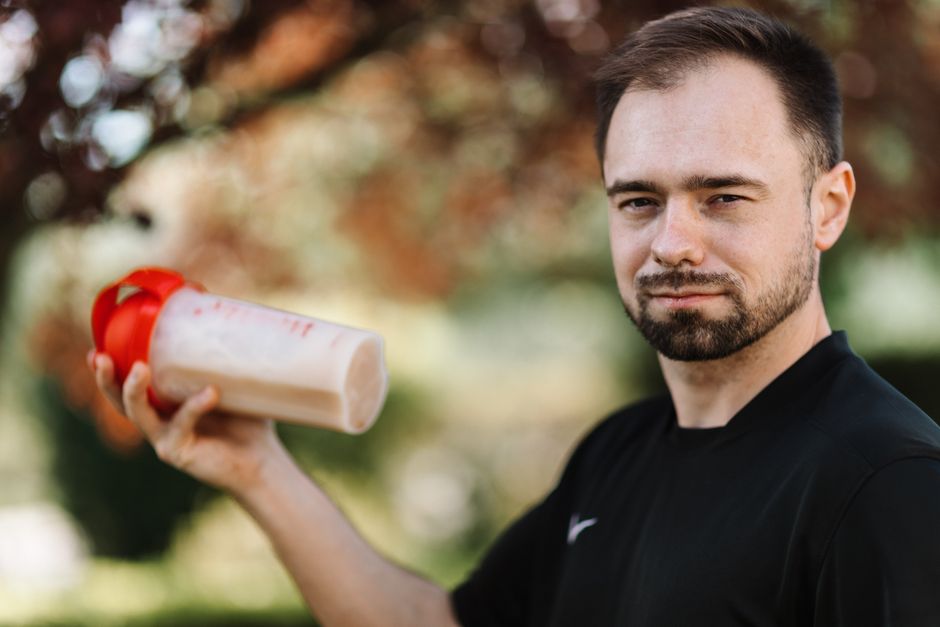
Protein shakes are everywhere. You see them at the gym, in the grocery store, and all over social media. It is normal to wonder if they are a good idea for your child. The short answer is that most healthy kids do not need protein shakes. Whole foods should always come first. However, there are specific situations where a pediatrician might recommend one. The key is knowing the difference between a need and a convenience.
How Much Protein Do Kids Actually Need?
Most parents overestimate how much protein their children require. The average school-age child needs far less than most people think. Protein needs are based on body weight. For most children, the recommended amount is roughly 0.5 to 0.7 grams per pound of body weight each day.
To put that in perspective, a 50-pound child needs about 25 to 35 grams of protein daily. That is incredibly easy to reach with normal food. A single cup of milk has 8 grams. One egg has 6 grams. A peanut butter sandwich on whole wheat bread provides around 12 grams. A small serving of chicken breast adds about 20 grams. Most children easily exceed their protein needs without any supplements.
Teenagers who are actively growing and playing competitive sports may need slightly more. Their needs are closer to 0.6 to 0.9 grams per pound. Even at that higher range, a balanced diet with regular meals and snacks usually covers it. The body does not store extra protein for later use. Anything beyond what the body needs is either used for energy or converted to fat.
When a Protein Shake Might Make Sense
There are legitimate reasons a doctor might suggest a protein shake for a child. These situations are specific and usually temporary. They are not about athletic performance or general nutrition.
Children with certain medical conditions may struggle to gain weight. This includes kids with severe food allergies, gastrointestinal disorders, or metabolic conditions. A pediatrician or registered dietitian might recommend a shake as a way to add calories and protein without requiring a child to eat a large volume of food.
Extremely picky eaters are another group where shakes sometimes help. If a child consistently refuses all sources of protein for weeks or months, a shake can bridge the gap. This is a short-term solution while working on expanding the child’s food choices. It is not a permanent replacement for meals.
Teen athletes in intense training programs may also benefit from a post-workout shake. This is only relevant for adolescents who are training at a high level, not for casual weekend sports. Even then, a glass of chocolate milk or a turkey sandwich often works just as well. The shake is a convenience, not a requirement.
The Risks of Giving Kids Protein Shakes
Protein shakes are not harmless just because they contain a common nutrient. There are several risks that parents should understand before offering one to a child.
Excess calories are the most common problem. Protein shakes are calorie-dense. A child who drinks a shake on top of regular meals may take in far more calories than they burn. Over time, that can lead to unhealthy weight gain. This is especially true for shakes that are marketed as meal replacements or weight gainers.
Digestive issues are also common. Many protein powders contain lactose, artificial sweeteners, or sugar alcohols. These ingredients can cause bloating, gas, cramping, or diarrhea in children. A child’s digestive system is more sensitive than an adult’s. Introducing a concentrated protein supplement can upset it quickly.
Heavy metals and contaminants are a real concern. Independent testing has found trace amounts of lead, cadmium, and arsenic in some commercial protein powders. Children are more vulnerable to the effects of these contaminants because their bodies are still developing. No protein powder is strictly regulated the way medications are. This does not mean every powder is dangerous. It means the quality varies significantly between brands.
There is also the risk of displacing real food. If a child drinks a shake before a meal, they may not be hungry for actual food. This can lead to missing out on fiber, vitamins, and other nutrients that protein shakes do not provide. Whole foods offer a complex mix of nutrients that no powder can replicate.





What About Protein Bars and Powders?
Protein bars and powders are not the same as a shake you make at home. Many commercial protein bars are essentially candy bars with added protein. They often contain high amounts of added sugar, saturated fat, and artificial ingredients. Reading the label is essential before giving one to a child.
Protein powders vary widely in their ingredients. Some contain only a single ingredient like whey or pea protein isolate. Others contain a long list of additives, fillers, and artificial flavors. When choosing a protein powder for a child, the shorter the ingredient list, the better. Avoid products with artificial sweeteners like sucralose or aspartame. Avoid products with “proprietary blends” that do not list exact amounts of each ingredient.
Whey protein is the most common type. It comes from milk and is generally well tolerated. Pea protein is a plant-based option that is also popular. Both are complete proteins, meaning they contain all nine essential amino acids. For most children, either is acceptable if a shake is truly necessary. The choice between them comes down to allergies and personal preference.
How to Choose a Safe Protein Shake for a Child
If a pediatrician has recommended a protein shake, choosing the right product matters. Not all protein powders are created equal. Parents should look for products that have been independently tested for contaminants. Some brands voluntarily submit their products to third-party testing and publish the results. This is a good sign of quality.
Look for a powder with minimal ingredients. Ideally, the ingredient list should contain the protein source and little else. Avoid added sugars. The American Academy of Pediatrics recommends that children limit added sugar intake. A protein shake should not be a source of empty sugar calories.
Mix the powder with milk or water rather than juice or soda. This keeps the calorie count reasonable. Start with a half-serving to see how the child tolerates it. Watch for any digestive upset in the first few days. If the child experiences stomach pain or changes in bowel habits, stop the shake and talk to the doctor.
Never give a child a protein shake that is marketed for adult bodybuilders or weight loss. These products often contain stimulants, herbs, or very high protein doses that are inappropriate for children. Stick with plain, unflavored or lightly flavored powders designed for general use.
Better Alternatives to Protein Shakes
Whole foods are always the best source of protein for children. They provide protein along with other essential nutrients like iron, zinc, and B vitamins. Protein shakes cannot match the nutritional complexity of real food.
Good protein sources for kids include eggs, dairy products, beans, lentils, nuts, seeds, and lean meats. Greek yogurt is an excellent option with roughly 15 grams of protein per serving. Cottage cheese, edamame, and quinoa are also strong choices. Even simple snacks like cheese sticks or hummus with vegetables add meaningful protein to a child’s day.
For a post-activity recovery drink, chocolate milk is a scientifically studied option. It contains a natural balance of carbohydrates and protein. Research has shown it is effective for recovery after exercise in adolescents. It is also cheaper and more accessible than most commercial protein shakes.
A homemade smoothie can serve a similar purpose to a protein shake without the powder. Blend milk or yogurt with fruit and a handful of spinach. This provides protein, carbohydrates, vitamins, and fiber in one glass. It tastes good and avoids the additives found in many powders.
Signs Your Child Might Need More Protein
Protein deficiency is rare in healthy children in developed countries. However, it does happen in specific circumstances. Knowing the signs can help parents recognize a genuine problem.
Signs of inadequate protein intake include poor growth or weight gain, fatigue, hair thinning, and slow wound healing. Children who are losing muscle mass or who seem constantly weak may also be lacking protein. These symptoms can indicate other health issues too, so they warrant a medical evaluation rather than a supplement.
If a parent notices these signs, the first step is a pediatrician visit. The doctor can assess growth patterns and run blood tests if needed. A registered dietitian can then help design a food-based plan to address any deficiencies. Only if food-based approaches fail would a shake be considered.
Frequently Asked Questions
Can kids drink protein shakes every day?
No, daily protein shakes are not recommended for most children. Whole food sources of protein are safer and more nutritious for daily consumption.
What age can kids start drinking protein shakes?
There is no established age at which protein shakes become appropriate for children. They should only be used when a pediatrician recommends them for a specific medical or nutritional need.
Can protein shakes stunt a child’s growth?
There is no evidence that protein shakes directly stunt growth. However, displacing whole foods with shakes can lead to nutrient gaps that affect overall health and development.
Are plant-based protein shakes safer for kids than whey?
Both whey and plant-based proteins are generally safe when used appropriately. The choice depends on allergies, dietary preferences, and how well the child tolerates the product.
