
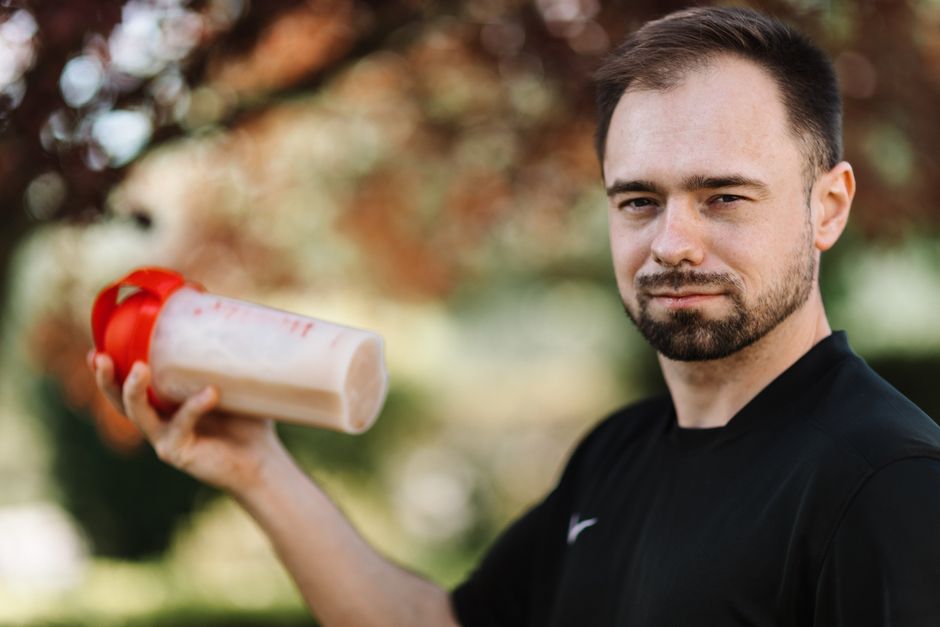
Protein shakes are a convenient way to add protein to your diet when food alone is not enough. People use them to support muscle repair after exercise, to hit daily protein targets, and sometimes to help maintain muscle during weight loss or with age. They are a supplement, not a requirement — most healthy adults can meet their protein needs with food.
That said, the marketing around protein shakes runs far ahead of the evidence. Some claims are well supported. Others are not. Here is a clear look at what protein shakes actually do, who tends to benefit, and where the honest limits are.
What Are Protein Shakes For Uses And Benefits?
Protein shakes serve one main purpose: they deliver protein in a fast, portable, liquid form. The body uses that protein for the same jobs it uses protein from food — building and repairing tissue, making enzymes and hormones, and supporting immune function.
The benefits that hold up in research are fairly specific:
- Muscle repair and growth. Resistance training creates small amounts of muscle damage. Protein provides the amino acids needed to rebuild. Getting enough total protein, from shakes or food, supports this process.
- Meeting daily protein needs. Some people struggle to eat enough protein through meals. A shake fills that gap without a lot of preparation.
- Muscle preservation during weight loss. When calories drop, the body can break down muscle for energy. Higher protein intake, sometimes with a shake, can help reduce that loss.
- Supporting older adults. Muscle mass naturally declines with age. Protein intake and resistance exercise both matter for slowing that decline.
- Convenience after surgery or illness. Appetite can drop during recovery. A shake is sometimes easier to consume than a full meal.
What protein shakes are not: a shortcut to muscle without training, a weight-loss cure, or a replacement for a balanced diet. A shake adds protein. It does not add the training stimulus, the fiber, or the micronutrients that whole foods provide.
How Much Protein Do You Actually Need?
Most healthy adults need a moderate amount of protein, and the amount rises with activity, age, and certain life stages.
The general adult recommendation is roughly 0.8 grams of protein per kilogram of body weight per day. That is the amount needed to prevent deficiency in a mostly sedentary person. It is not necessarily the amount needed to build or preserve muscle.
People who train regularly, are older, or are losing weight often need more. Research on muscle and protein generally points to higher intakes for these groups, though exact targets vary by person and goal. A common range discussed in sports nutrition is roughly 1.2 to 2.0 grams per kilogram per day, depending on activity and goal.
For reference, a kilogram is about 2.2 pounds. A 150-pound adult weighs about 68 kilograms.
Here is the practical point: a shake is a tool for closing the gap between what you eat and what you need. If you already hit your target with food, a shake adds calories and protein you may not need. If you fall short, it helps.
Do Protein Shakes Help Build Muscle?
Protein shakes support muscle growth only when paired with resistance training. Without that training signal, extra protein does not turn into extra muscle.
The evidence here is consistent. Resistance exercise tells the body to adapt and grow. Protein supplies the raw material. Both are needed. Studies comparing people who train with adequate protein versus those who train with low protein show better muscle outcomes with adequate intake. But studies also show that once protein needs are met, adding more does not keep increasing muscle growth.
This is where a lot of supplement marketing goes wrong. More protein is not automatically more muscle. There appears to be a ceiling, and it varies by person and training status. Beyond that ceiling, extra protein is used for energy or stored, not converted into muscle.
Timing matters less than most people think. The idea of a narrow “anabolic window” right after training has been overstated. Total daily protein intake appears to matter more than the exact minute you drink a shake.




Are Protein Shakes Good for Weight Loss?
Protein shakes can help with weight loss, but mainly for one reason: protein is filling. A shake can reduce hunger and help you eat fewer calories overall.
Protein also has a higher “thermic effect” than carbs or fat, meaning the body burns more calories digesting it. That effect is real but small. It is not the main driver of weight loss.
The bigger factor is muscle preservation. When you eat fewer calories, some weight lost can come from muscle. Higher protein intake, along with resistance training, can shift more of that loss toward fat. This is one area where protein shakes are genuinely useful — as part of a calorie-controlled diet that includes training.
Two cautions. First, a shake is not a meal replacement in the nutritional sense. It usually lacks the fiber, vitamins, and minerals of whole food. Second, liquid calories are easy to overconsume. Drinking a shake on top of your normal diet adds calories rather than removing them.
Are Protein Shakes Safe?
For most healthy adults, protein shakes are safe when used in reasonable amounts. The kidneys of healthy people handle higher protein intakes without harm, based on available research.
People with existing kidney disease are a different case. Reduced kidney function can change how the body handles protein, and protein intake should be discussed with a doctor rather than self-managed.
A few other points worth knowing:
- Digestive issues. Some people get bloating or gas, often from lactose in whey or from sugar alcohols in some powders.
- Additives. Many powders contain added sugars, thickeners, or stimulants. Reading the label matters.
- Contamination. Independent testing has found that some protein powders contain heavy metals or other contaminants. Third-party tested products reduce this risk.
- Not for everyone. Infants, children, and pregnant or breastfeeding women have different protein needs. No clinical guidelines support routine protein shake use for these groups. Talk to a doctor first.
Protein shakes are not a medical treatment. They are a food product. The safety picture is generally favorable for healthy adults, but it is not a blank check.
Which Type of Protein Shake Is Best?
There is no single best protein shake. Different types suit different people, mostly based on digestion and dietary needs.
Whey is the most studied and is absorbed quickly. Casein digests more slowly. Plant-based options like pea, soy, and rice are common alternatives for people who avoid dairy. Soy protein is a complete protein and has been studied extensively.
The differences between types matter less than most marketing suggests. What matters more is total protein, quality, and whether the product is third-party tested.
Protein Shakes vs. Whole Food Protein
Whole food and shakes both provide protein. They differ in what else they bring to the table.
| Factor | Protein Shake | Whole Food |
|---|---|---|
| Protein per serving | Often 20–30 grams | Varies by food |
| Fiber | Usually low or absent | Often present |
| Micronutrients | Limited unless fortified | Naturally present |
| Convenience | High | Lower |
| Satiety | Moderate | Often higher |
| Cost per gram of protein | Varies widely | Often lower |
Food is generally the better base. Shakes are best used to fill a gap, not to replace meals. Someone who eats well but cannot hit their protein target may benefit from a shake. Someone who already eats enough protein probably will not.
Who Actually Benefits From Protein Shakes?
Protein shakes help people who have a real gap between their protein needs and their intake. That includes:
- People doing regular resistance training who struggle to eat enough protein.
- Older adults who lose appetite or have trouble chewing.
- People in a calorie deficit trying to preserve muscle.
- People recovering from illness or surgery with low appetite.
- People with high protein needs and limited time to prepare food.
People who likely do not need them: healthy adults who already eat enough protein, people who are sedentary, and anyone using a shake as a substitute for balanced meals. For these groups, a shake adds cost and calories without clear benefit.
Frequently Asked Questions
Do I need protein shakes to build muscle?
No. You need enough total protein and resistance training. Food can meet that need. Shakes are just a convenient way to hit the target if food falls short.
When should I drink a protein shake?
Timing matters less than total daily protein. Drinking one after training or between meals works fine. The old idea of a narrow post-workout window has been overstated.
Are protein shakes bad for your kidneys?
For healthy adults, research does not show harm from higher protein intakes. People with existing kidney disease should talk to a doctor before increasing protein.
Can protein shakes replace meals?
They can replace a meal’s protein, but not its fiber, vitamins, or minerals. Using them occasionally is fine. Relying on them for most meals is not a balanced approach.
