
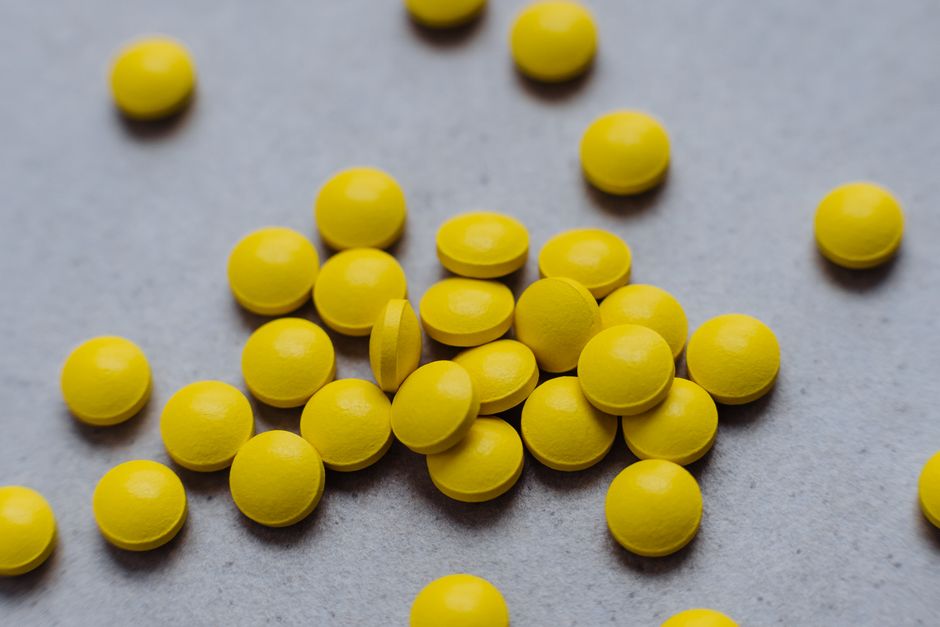
Yes, ivermectin can be used topically for skin conditions, but only in specific FDA-approved formulations for very specific conditions. The most common use is a 1% cream prescribed for rosacea. It is not a general-purpose skin treatment, and using veterinary or oral forms on the skin is dangerous. The topical versions available for humans are prescription-only and have been studied for safety and effectiveness.
What Skin Conditions Is Topical Ivermectin Approved For?
Topical ivermectin is FDA-approved for one main condition: inflammatory lesions of rosacea. Rosacea is a chronic skin disorder that causes redness, flushing, and sometimes pus-filled bumps on the face. The 1% ivermectin cream is specifically approved to treat the bumps and pimples associated with this condition.
Ivermectin works against certain skin mites called Demodex folliculorum. These mites live in hair follicles and sebaceous glands on nearly all human skin. Research suggests that people with rosacea often have higher numbers of these mites than people without the condition. The cream reduces the mite population, which helps calm the inflammation.
Some doctors prescribe topical ivermectin off-label for other conditions. These include scabies, head lice, and certain types of dermatitis. Off-label means the drug is not officially approved for that use, but a doctor may prescribe it based on clinical judgment and available evidence. The evidence for these uses varies in quality and strength.
How Does Topical Ivermectin Work on the Skin?
Ivermectin belongs to a class of drugs called avermectins. These compounds bind to specific channels in the nervous system of parasites and mites. This binding causes paralysis and death of the organism. The drug has a much lower affinity for human channels, which is why it is generally well tolerated when used correctly.
When applied to the skin, the 1% cream delivers the drug to the surface layers where the mites live. The drug does not penetrate deeply into the bloodstream in significant amounts. This is different from oral ivermectin, which is absorbed through the digestive tract and circulates throughout the body.
In rosacea, the anti-inflammatory effect appears to be twofold. First, killing the mites reduces the immune response triggered by their presence. Second, ivermectin itself has some direct anti-inflammatory properties. Both effects contribute to the reduction in visible bumps and redness over time.
Is Prescription Topical Ivermectin Safe?
Clinical trials have shown that the 1% cream is generally safe for most adults. The most common side effects are mild and localized. These include skin burning, stinging, itching, and dryness at the application site. These effects usually diminish as the skin adjusts to the medication.
Serious side effects are rare. The cream is not recommended for people with known hypersensitivity to ivermectin or any ingredient in the formulation. Pregnant or breastfeeding women should discuss the risks and benefits with their doctor before using it. No large studies have confirmed safety in these populations, so caution is appropriate.
One common mistake is using more than prescribed. More cream does not mean faster results. Using excessive amounts increases the risk of skin irritation without providing additional benefit. Follow the application instructions from your doctor or the medication guide exactly.




Can You Use Animal Ivermectin on Human Skin?
No. This is a critical safety point. Veterinary ivermectin products are formulated for livestock and pets. They come in concentrations that are far too high for human skin. Some are injectable solutions or pastes meant for oral use in animals. These are not sterile, not tested for human use, and can cause severe skin reactions or systemic toxicity if absorbed.
During the COVID-19 pandemic, there was widespread misinformation about ivermectin. Some people sought out veterinary formulations for oral use or applied them to the skin. This led to poison control center calls and hospitalizations. The FDA issued warnings about this practice. Never use animal products on your skin or in your body.
Human topical ivermectin is a specific pharmaceutical product. It is manufactured under strict quality controls. The concentration, preservatives, and delivery system are designed for human facial skin. Animal products share none of these characteristics.
What Does the Evidence Say About Off-Label Uses?
For scabies, topical ivermectin is sometimes used. Scabies is caused by a mite called Sarcoptes scabiei. The standard treatment is permethrin cream, which has strong evidence behind it. Ivermectin is often used as a second-line option when permethrin fails or cannot be tolerated. Some research supports this use, but permethrin remains the first choice in most clinical guidelines.
For head lice, oral ivermectin has more evidence than topical. Topical lotions containing ivermectin are approved in some countries, but the FDA-approved product in the US is a cream for rosacea. Using the rosacea cream on the scalp for lice is not an established practice and has not been adequately studied.
Some dermatologists use topical ivermectin for perioral dermatitis or certain types of eczema. These are clinical decisions made on a case-by-case basis. The evidence is limited, and results vary. If your doctor recommends this approach, ask about the reasoning and what alternative treatments exist.
How Long Does Treatment Take to Work?
For rosacea, clinical studies show that improvement is gradual. Most people see noticeable changes within 4 to 8 weeks of daily use. Full benefit may take up to 12 weeks. The cream is typically applied once daily to clean, dry skin on the affected areas of the face.
Rosacea is a chronic condition. Stopping the treatment often leads to a return of symptoms. Many people use the cream on an ongoing basis to maintain control. Your doctor will advise you on the right duration based on your individual response.
It is important to have realistic expectations. Topical ivermectin treats the inflammatory bumps of rosacea. It does not cure the underlying condition. It also does not address other rosacea symptoms like persistent redness or visible blood vessels. Those may require additional treatments such as laser therapy or other prescription medications.
What Are the Alternatives to Topical Ivermectin?
For rosacea, several other treatments exist. Metronidazole cream or gel is a common first-line option. It has been used for decades and has solid evidence behind it. Azelaic acid is another topical option that reduces inflammation and bumps. Both are prescription products.
Oral antibiotics like doxycycline are sometimes used for moderate to severe rosacea. These work by reducing inflammation rather than killing bacteria. They are not used long-term due to concerns about antibiotic resistance and side effects.
For scabies, permethrin cream remains the standard treatment. It is highly effective and has been studied extensively. Oral ivermectin is a prescription alternative for those who cannot use permethrin. Never self-treat suspected scabies without a proper diagnosis.
Things to Discuss With Your Doctor
Before starting any prescription topical treatment, have a clear conversation with your doctor. Ask what condition you are being treated for and why this specific medication was chosen. Ask about expected timelines for improvement and what to do if you do not see results.
Tell your doctor about all other medications you use, including over-the-counter products. Some skin care products can increase irritation when used alongside prescription topicals. Your doctor can help you build a routine that works.
If you are pregnant, planning to become pregnant, or breastfeeding, disclose this before starting treatment. The evidence for topical ivermectin in these populations is limited. Your doctor can help weigh the potential risks against the benefits of treating your skin condition.
Frequently Asked Questions
Can I buy topical ivermectin over the counter?
No, topical ivermectin for human use is a prescription medication in the United States. You need a doctor to evaluate your skin condition and write a prescription.
Is topical ivermectin the same as the oral drug used for parasites?
No, they are different formulations with different concentrations and delivery methods. Oral ivermectin is absorbed systemically, while the topical cream acts mainly on the skin surface.
Can I use ivermectin cream on my whole body?
No, the 1% cream is approved for use on facial skin affected by rosacea. Applying it to large body areas has not been studied and may cause unnecessary irritation.
How quickly does ivermectin cream work for rosacea?
Most people see improvement within 4 to 8 weeks of daily use. Full benefit may take up to 12 weeks, and continued use is often needed to maintain results.
