
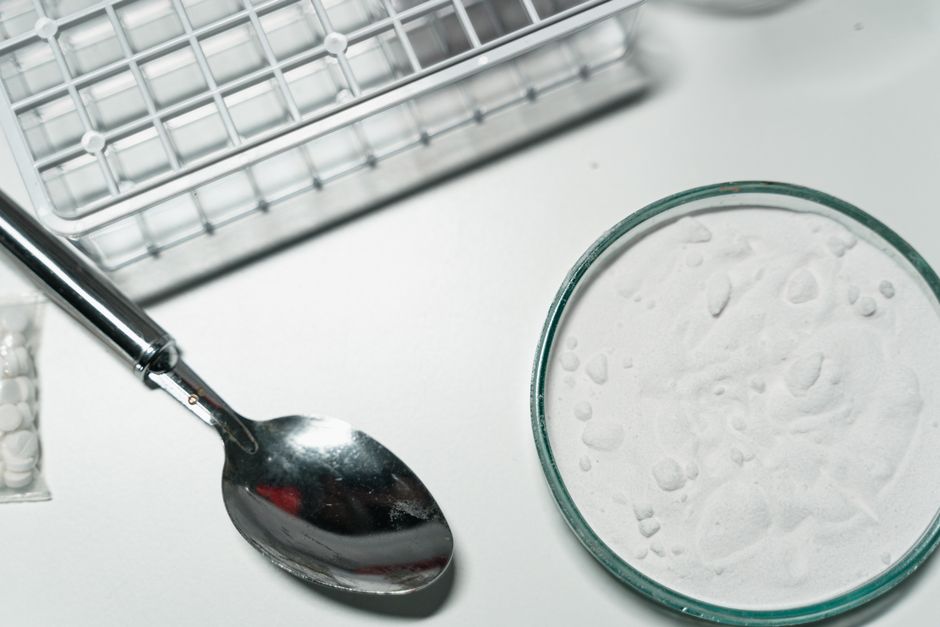
Powdered alum is a mineral salt that has been used for decades in homes for pickling, water purification, and as an astringent for skin care. It is most commonly sold as potassium alum, a crystal that is ground into a fine powder. People use it on the skin to stop minor bleeding from shaving nicks, tighten pores, and soothe irritation from insect bites. In food, it is a food additive that keeps pickles crisp, though its use is tightly regulated. While alum is generally recognized as safe for these specific uses, it is not a medicine, and claims about curing skin conditions or detoxifying the body are not supported by clinical evidence.
What Is Powdered Alum Exactly?
Alum is not a single chemical. It is a family of double sulfate salts. The most common type sold for household and skin use is potassium alum, also called potassium aluminum sulfate. It appears as white crystals or a fine white powder.
Chemically, alum is an astringent. An astringent is a substance that causes skin cells and small blood vessels to contract. That tightening effect is why alum stops minor bleeding and makes the skin feel firmer. The effect is physical and immediate, not a healing process.
There are other types of alum, including ammonium alum and sodium alum. These are used in manufacturing and water treatment. For skin and food use, potassium alum is the standard and the safest of the group. If you buy alum powder at a grocery store, it is almost always potassium alum.
What Is Powdered Alum Used For on Skin?
Alum has a long history in traditional skin care. The most common uses are stopping bleeding, tightening skin, and reducing irritation. These uses rely on its astringent properties, which are real and measurable.
People use alum powder on the skin for:
- Stopping bleeding from small cuts and razor nicks
- Shrinking the appearance of pores after cleansing
- Soothing the itch of insect bites and poison ivy
- Reducing sweating and odor when used as a natural deodorant
- Healing canker sores when applied directly to the sore
For shaving nicks, the standard method is to wet the cut, press a small amount of alum powder onto it, and hold for a few seconds. The astringent action constricts the blood vessels and the bleeding stops. This is common practice and works reliably for minor cuts.
As a deodorant, alum blocks the activity of odor-causing bacteria on the skin. It does not stop sweating the way antiperspirants do, but it reduces odor. Many people use a solid alum crystal as a natural deodorant stone. The powder form can be mixed with water to make a spray.
The evidence for alum on skin is mostly traditional and practical. No large clinical trials have tested alum for acne, eczema, or other skin diseases. It may help dry out a pimple because it is an astringent, but it will not cure acne. If you have a skin condition, alum is not a treatment and should not replace dermatologist care.
Is Alum Safe for Skin?
For occasional use on intact skin, alum is generally considered safe. The U.S. Food and Drug Administration lists potassium alum as generally recognized as safe for use in foods, and the same substance is widely applied topically without reported problems.
However, there are real cautions. Alum should not be applied to broken skin, open wounds, or mucous membranes in large amounts. It can cause burning, stinging, and irritation. Some people are sensitive to aluminum compounds and may develop contact dermatitis, which is a red, itchy rash.
Do not apply alum to your face and leave it on overnight. The astringent effect can dry out the skin and cause peeling. If you have sensitive skin, test alum on a small patch of skin on your inner arm first. Wait 24 hours to see if any irritation develops.
There is ongoing research about aluminum exposure and health, but no clinical evidence links the occasional topical use of alum to serious disease. The concern about aluminum in deodorants and breast cancer has been studied, and current evidence does not confirm a causal link. That said, if you are worried about aluminum exposure, you can choose an alum-free deodorant.





What Is Powdered Alum Used For in Food?
In food, alum is a pickling agent. Its main job is to keep pickled vegetables crisp. It does this by strengthening the pectin in the vegetable cell walls. This is a well-established food technology use.
Alum is also used as a firming agent in some processed foods and as a buffer in baking powder. In baking powder, alum reacts with baking soda to release carbon dioxide, which makes baked goods rise.
The FDA permits alum in food, but with limits. The amount allowed depends on the food product. For pickling, the general guidance is to use about one teaspoon of alum per quart of pickling liquid, though you should always follow a tested recipe. Using more than that can make pickles taste bitter and metallic.
Some people add alum to canning water to keep fruits and vegetables firm. This is safe when done in small amounts. But you should never consume alum powder directly by mouth. It is not a supplement and has no nutritional value. Eating a spoonful of dry alum powder can cause nausea, vomiting, and abdominal pain.
There is no evidence that eating alum detoxifies the body or provides any health benefit. Claims that alum can “cleanse” or “purify” the body from the inside are not supported by any medical research. Do not ingest alum for health reasons.
What Is Powdered Alum Used For Around the House?
Beyond skin and food, alum has practical household uses. It is a flocculant, which means it helps suspended particles clump together so they can settle out of water. This is why it is used in water purification, both in municipal treatment plants and in some home water systems.
In the garden, alum is sometimes added to soil to lower pH for acid-loving plants like blueberries and hydrangeas. It provides aluminum, which can help hydrangeas produce blue flowers. This works but should be done carefully, as too much aluminum can harm plants.
Alum is also used to make homemade playdough and in some crafting projects. It acts as a preservative and a firming agent. These are safe uses when handled properly.
How Does Alum Compare to Other Astringents?
Alum is not the only astringent available. Witch hazel, tea tree oil, and salicylic acid are common alternatives for skin care. Each works differently.
Witch hazel is a plant extract with mild astringent properties. It is gentler than alum and often used on the face. Tea tree oil has antibacterial properties and is used for acne, but it can be irritating. Salicylic acid is a chemical exfoliant that clears pores and is a proven acne treatment.
Alum is stronger and faster than witch hazel for stopping bleeding, but it is harsher on the skin. For daily facial care, witch hazel or salicylic acid is a better choice. For spot treatment of a razor nick or an insect bite, alum is effective.
If you want a natural deodorant, alum and baking soda are the two common options. Alum is less irritating than baking soda for most people. Baking soda can cause a rash because it changes the skin’s pH more dramatically.
Can Powdered Alum Treat Skin Conditions?
This is where marketing gets ahead of evidence. Some brands sell alum as a treatment for acne, eczema, and fungal infections. There is no clinical evidence that alum cures any of these conditions.
Alum can dry out a pimple because it is an astringent. That does not mean it treats acne. Acne is a complex condition involving hormones, bacteria, and inflammation. Drying the surface of the skin does not address the cause and can make acne worse by irritating the skin.
For eczema, alum is likely to make things worse. Eczema is a condition of impaired skin barrier and inflammation. Applying a drying astringent strips the skin of moisture and can trigger a flare. Avoid alum on eczema patches.
For fungal infections like athlete’s foot, alum has no demonstrated antifungal activity. Some traditional remedies use alum powder on the feet, but no study confirms it kills fungi. Standard antifungal treatments are proven and should be used instead.
What Are the Risks and Side Effects of Alum?
Alum is safe in small amounts for short-term use. The risks appear when it is overused or misused.
Common side effects include:
- Skin dryness and peeling
- Redness and stinging
- Contact dermatitis in sensitive individuals
- Metallic taste if it gets in the mouth
Ingesting large amounts of alum is dangerous. Symptoms of alum poisoning include nausea, vomiting, diarrhea, and abdominal pain. In severe cases, it can cause kidney damage. Keep alum powder out of reach of children.
Do not use alum as a douche or internal wash. No medical authority recommends this, and it can disrupt the natural balance of bacteria in the body. This is a dangerous misuse of a household product.
If you get alum powder in your eyes, flush with water for at least 15 minutes and seek medical attention if irritation persists.
How to Use Powdered Alum Safely
If you decide to use alum, follow these safe practices:
- Use only potassium alum for skin and food purposes
- Apply a small amount to a small area first to test for sensitivity
- Rinse alum off the skin after a few minutes unless you are using it as a deodorant
- Do not use alum on open wounds, deep cuts, or surgical sites
- Never ingest alum powder
- Store it in a labeled container away from food and children
For pickling, follow tested recipes from reputable sources like the USDA or university extension offices. Do not improvise with alum amounts. More is not better and will ruin the food.
Frequently Asked Questions
Can I put alum powder directly on my face?
Yes, but only briefly and in small amounts. Rinse it off after a few minutes to avoid excessive dryness.
Is alum safe to eat?
Alum is safe as a food additive in tiny amounts, but you should never eat the powder directly. Ingesting a large amount can cause nausea, vomiting, and abdominal pain.
Does alum stop bleeding fast?
Yes, alum constricts small blood vessels and stops minor bleeding from shaving nicks and small cuts within seconds. It is not appropriate for deep or heavy bleeding.
Can alum cure acne?
No. Alum may dry out a pimple temporarily, but it does not treat the causes of acne and can irritate the skin further.
