
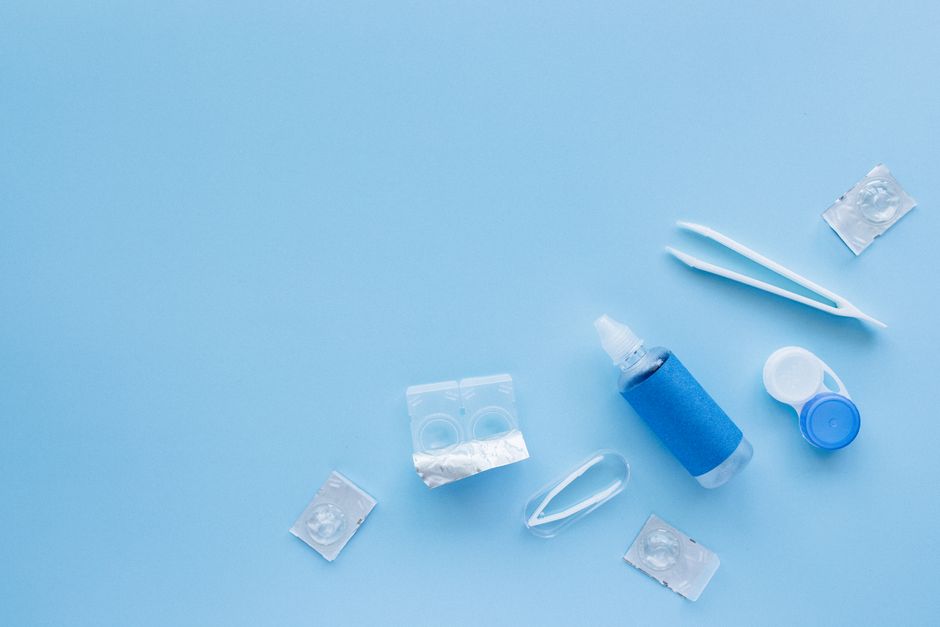
A broken blood vessel in the white of your eye looks alarming, but it is usually harmless. The medical name is subconjunctival hemorrhage. The blood sits between the clear surface of your eye and the white tissue beneath it. The key question most people have is whether they can keep wearing contact lenses while this heals. The short answer is no — you should stop wearing contacts until the eye has fully cleared and your eye doctor has confirmed it is safe to resume. Wearing lenses over a healing eye increases the risk of irritation and infection, and it can slow down the recovery process.
What Is a Subconjunctival Hemorrhage?
A subconjunctival hemorrhage happens when a tiny blood vessel breaks in the conjunctiva. The conjunctiva is the thin, clear membrane that covers the white part of your eye and the inside of your eyelids. When the vessel breaks, blood leaks into the space between the conjunctiva and the sclera — the white tissue underneath.
Because that space is very thin, the blood spreads out into a flat, bright red patch. The patch can be small or it can cover most of the white of the eye. It looks worse than it is. The bleeding is not inside the eye, and it does not affect your vision in most cases.
Most people notice it when they look in a mirror. There is usually no pain, no discharge, and no change in vision. It can happen from a cough, a sneeze, heavy lifting, straining, or rubbing the eye. Sometimes it happens for no clear reason at all. In many cases, the person only discovers it when someone else points it out.
Can I Wear Contacts With a Subconjunctival Hemorrhage?
No. You should not wear contact lenses while you have an active subconjunctival hemorrhage. The lens sits directly on the conjunctiva, which is the very tissue that is healing. Any pressure or movement from the lens can irritate the area and slow down the healing process.
There is also a practical reason to pause lens wear. A red eye can be a sign of something more serious, like an infection or elevated pressure inside the eye. If you keep wearing contacts, you may mask or worsen those conditions. The safest approach is to switch to glasses until an eye care professional has examined you and confirmed the cause of the redness.
Most eye doctors recommend waiting until the hemorrhage has completely resolved before putting lenses back in. That usually takes one to two weeks. The blood is absorbed slowly by your body, and the eye returns to its normal white color gradually. It often fades from bright red to yellow or orange before it disappears completely.
Why Contact Lenses Are Risky During Healing
Contact lenses create a barrier between your eyelid and the surface of your eye. That barrier changes how tears flow and how oxygen reaches the eye. During normal wear, this is manageable. During healing, it becomes a problem.
The conjunctiva needs oxygen and moisture to repair itself. A contact lens reduces both. It also creates a warm, moist environment where bacteria can grow if the lens is not perfectly clean. If the surface of the eye is already irritated from the hemorrhage, the risk of a secondary infection goes up.
Another concern is that contact lenses can trap debris against the healing tissue. Even a tiny speck of dust can cause significant discomfort when it is pressed against an already irritated area. The lens can also make it harder for your eye to clear away the blood naturally.
There is also the issue of diagnosis. A subconjunctival hemorrhage is usually harmless, but not every red eye is one. If you have a contact lens in, your eye doctor cannot see the full surface of the eye clearly. Removing the lens before the exam allows for a proper evaluation.




How Long Until the Eye Heals?
A subconjunctival hemorrhage typically clears in one to two weeks. The blood is reabsorbed by the body, much like a bruise under the skin. The color may shift from bright red to a darker red, then to a yellowish or orange tint before it fades completely.
Larger hemorrhages can take longer. Some take up to three weeks to fully disappear. The size of the patch does not usually predict how long healing will take. What matters more is the overall health of your eye and whether any underlying condition caused the bleed.
You should see an eye doctor if the hemorrhage does not improve within two weeks, if you have pain, if your vision changes, or if you get recurrent hemorrhages. These could be signs of a different problem, such as high blood pressure, a bleeding disorder, or a blood-thinning medication issue.
When Can I Put My Contacts Back In?
The safest answer is to wait until your eye doctor says it is okay. In general, you can resume lens wear once the eye is completely white and free of any redness. That means the hemorrhage has fully resolved.
If you do not see an eye doctor, a reasonable guideline is to wait at least one full week after the hemorrhage first appears. If any redness remains, wait longer. Putting a lens in while the eye is still slightly red can restart the irritation and delay healing.
Before you reinsert your lenses, clean them thoroughly. If you use daily disposables, open a fresh pair. If you use reusable lenses, disinfect them according to the manufacturer’s instructions. Never reuse the solution from the case. Replace the case if it has been more than three months since you last changed it.
If your eyes feel dry, gritty, or uncomfortable when you first put the lenses back in, remove them and give your eyes more time. Discomfort is a sign that the surface of the eye is not fully healed.
When a Red Eye Is Not Just a Hemorrhage
Most subconjunctival hemorrhages are harmless, but they can sometimes signal an underlying condition. If you get them frequently, it is worth checking your blood pressure. Uncontrolled high blood pressure can make the small vessels in the eye more likely to break.
Blood-thinning medications, including aspirin and warfarin, can also increase the risk of eye hemorrhages. If you are on these medications and develop a subconjunctival hemorrhage, mention it to your doctor. In most cases, the hemorrhage is not dangerous, but it can be a sign that your blood is thinner than intended.
Seek immediate medical attention if the red eye is accompanied by pain, blurred vision, sensitivity to light, or if the redness follows an injury to the eye. These symptoms can point to a more serious condition like a hyphema — bleeding inside the front chamber of the eye — or a corneal abrasion. Both require prompt treatment.
If you also have a headache, nausea, or see halos around lights, go to an emergency room. These could be signs of acute angle-closure glaucoma, which is a medical emergency. This condition is rare, but it requires immediate treatment to prevent vision loss.
Can You Prevent a Subconjunctival Hemorrhage?
You cannot always prevent a broken blood vessel in the eye. Many happen spontaneously. But you can reduce the risk by avoiding actions that strain the eye area.
Try not to rub your eyes forcefully. If you have allergies, treat them with antihistamine eye drops rather than rubbing. When you cough or sneeze, try not to bear down excessively. If you lift heavy weights, exhale during the lift rather than holding your breath.
If you wear contact lenses, follow proper hygiene. Wash your hands before handling lenses. Never sleep in lenses that are not approved for overnight wear. Replace your lenses on schedule. These habits reduce the risk of eye irritation and infection, which can make the conjunctiva more fragile.
Keeping your blood pressure in a healthy range also helps. High blood pressure weakens blood vessel walls over time, making them more likely to break. Regular checkups with your primary care doctor can catch this early.
Frequently Asked Questions
Can I wear contacts if the hemorrhage is small?
No. Even a small subconjunctival hemorrhage means the tissue is healing, and a contact lens can interfere with that process. Wait until the eye is completely white before considering lens wear.
Will wearing contacts make the hemorrhage worse?
It can. The lens presses on the healing conjunctiva and reduces oxygen flow, which can slow healing and increase the risk of infection. It will not typically cause more bleeding, but it can prolong recovery.
How do I know if my red eye is a subconjunctival hemorrhage or something serious?
A subconjunctival hemorrhage is painless and does not affect vision. If you have pain, blurred vision, light sensitivity, or discharge, see an eye doctor promptly. These symptoms suggest a different condition that needs treatment.
Can I use eye drops while I have a subconjunctival hemorrhage?
Artificial tears are generally safe and can help with dryness. Do not use redness-relief drops, as they constrict blood vessels and can mask the healing process. Ask your eye doctor before using any medicated drops.
