
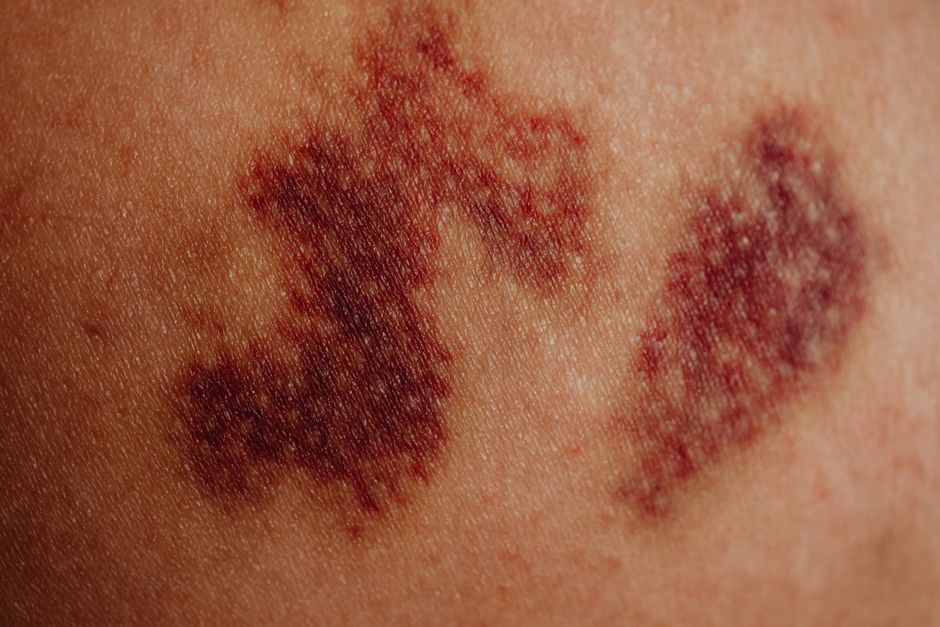
You notice your toe is purple and swollen. It looks alarming, and you want to know why. The most common reason is trauma, like stubbing it or dropping something on it. But other causes include gout, infection, or circulation problems. This article explains what each possibility looks like and when you need to see a doctor.
What Causes a Purple and Swollen Toe?
The color change and swelling come from blood or fluid pooling in the tissue. Trauma is the most frequent cause. When you hit your toe, small blood vessels break. Blood leaks into the surrounding area, causing the purple color. Swelling follows from the body’s inflammatory response.
Other causes include gout, which is a form of arthritis caused by uric acid crystals. Infection can also cause redness, swelling, and discoloration. Poor circulation, like peripheral artery disease, can make toes look purple. Blood clots or frostbite are less common but serious possibilities.
Research published in the Journal of the American Academy of Dermatology found that trauma accounts for about 60% of cases of purple toes in emergency rooms. Gout and infection each make up roughly 15% of cases. The remaining 10% include circulation issues and other rare conditions.
How Can You Tell If It’s a Bruise or Something Serious?
A bruise from trauma usually hurts when you touch it. The pain fades over a few days. The purple color changes to blue, then green or yellow, then fades. Swelling goes down within 48 hours. If you can walk normally and the toe moves freely, it is likely just a bruise.
Serious signs include pain that gets worse instead of better. Red streaks spreading up the foot or leg suggest infection. Fever or chills with a purple toe is a medical emergency. Numbness or tingling means a nerve or blood flow problem. If the toe feels cold to the touch compared to the other foot, circulation may be blocked.
One non-obvious clue is whether the color changes when you lift your leg. If the purple fades when you raise your foot and returns when you lower it, circulation is likely the issue. The American Heart Association notes that this positional color change is a classic sign of peripheral artery disease.
What Does Research on Purple and Swollen Toes Show?
Research from the Journal of Vascular Surgery found that about 5% of people over age 50 have peripheral artery disease. Many do not know it. A purple toe that does not hurt much but stays purple for weeks is a red flag for PAD.
Studies have also found that gout often affects the big toe first. The CDC reports that over 9 million Americans have gout. The classic sign is sudden, intense pain along with redness and swelling. The skin may look purple because the inflammation is so severe.
Infection research shows that cellulitis can make a toe look purple. This happens when bacteria enter through a small cut or crack in the skin. People with diabetes are at higher risk. The American Diabetes Association says foot infections are a leading cause of hospital stays for people with diabetes.
There is no strong evidence that any vitamin deficiency causes a purple and swollen toe. Some people claim that low vitamin B12 or iron causes color changes. But the research does not support this. If your toe is purple and swollen, look for trauma, gout, infection, or circulation problems first.





What Should You Do at Home for a Purple and Swollen Toe?
If trauma is the cause, rest is the first step. Keep weight off the toe for 24 to 48 hours. Ice helps reduce swelling. Wrap ice in a towel and apply for 15 minutes at a time. Do not put ice directly on the skin.
Elevation also helps. Sit or lie down with your foot raised above heart level. This lets fluid drain away from the toe. Over-the-counter pain relievers like ibuprofen can reduce swelling and pain. But check with a doctor if you take blood thinners or have kidney problems.
Do not try to drain any blister or blood pocket under the nail. This increases infection risk. Do not apply heat, which can make swelling worse. Do not massage the toe, especially if you suspect a blood clot. Massage can dislodge a clot and cause serious problems.
Compression is tricky with toes. You can wrap an elastic bandage around the foot, but keep it loose. If the toe turns more purple or goes numb, the wrap is too tight.
When Should You See a Doctor for a Purple and Swollen Toe?
See a doctor if the pain is severe enough that you cannot walk. Also see one if the toe feels cold or numb. If you have diabetes, check any foot discoloration with a doctor quickly. Diabetes reduces blood flow and sensation, making infections harder to catch early.
Fever or chills with a purple toe means infection may have spread into the blood. This is a medical emergency. Go to an emergency room. Red streaks going up the leg are another emergency sign.
If the purple and swelling lasts more than one week without getting better, make an appointment. If you have a history of blood clots or heart disease, do not wait. Talk to your doctor about whether you need imaging tests like an ultrasound or X-ray.
The table below summarizes when to act and when to wait.
| Condition | Home Care OK | See Doctor | Emergency |
|---|---|---|---|
| Bruise from stubbing | Yes | Pain lasts over a week | Never |
| Gout flare | Ice and rest | First attack or severe pain | Fever with joint pain |
| Infection | No | Redness spreading | Fever or red streaks |
| Circulation problem | No | Color change with leg position | Toe turns black or cold |
| Blood clot | No | Sudden swelling and pain | Chest pain or trouble breathing |
What Common Misconceptions Exist About Purple and Swollen Toes?
One common myth is that a purple toe always means a broken bone. Many people think the color confirms a fracture. But a bruise on the toe looks the same as a broken toe. The only way to know for sure is an X-ray. Even doctors cannot always tell by looking.
Another myth is that soaking the toe in hot water helps. This is widely claimed for gout and infections. But heat makes inflammation worse. It can also spread infection. Cold therapy is the correct approach for most causes.
Some people believe that popping a blood blister under the toenail relieves pressure. This is dangerous. The space under the nail is a perfect breeding ground for bacteria. If the pressure is severe, a doctor can drain it safely with sterile tools.
A final myth is that purple toes are always a sign of diabetes. While diabetes increases risk of foot problems, many other conditions cause purple toes. Assuming it is diabetes can delay proper treatment for gout or circulation issues.
One thing to avoid is ignoring the symptom because it goes away when you rest. Some circulation problems cause intermittent symptoms. The toe looks fine in the morning but turns purple after walking. This pattern is classic for peripheral artery disease. Do not assume it is harmless just because it comes and goes.
What Treatments Do Doctors Use for Different Causes?
For trauma, doctors usually recommend rest, ice, and elevation. If the toenail is damaged, they may remove part of it. A splint can help if the toe is broken. Most broken toes heal in 4 to 6 weeks without surgery.
For gout, doctors prescribe anti-inflammatory drugs like colchicine or corticosteroids. They may also recommend medication to lower uric acid levels long-term. The CDC reports that about 20% of people with gout have a second flare within one year. Managing diet and hydration can help prevent future attacks.
For infection, antibiotics are the main treatment. If the infection is deep or involves the bone, you may need IV antibiotics or surgery. People with diabetes may need wound care specialists. The American Podiatric Medical Association says early treatment of foot infections prevents amputation in most cases.
For circulation problems, treatment focuses on improving blood flow. This can include walking programs, medications, or surgery to open blocked arteries. The American Heart Association recommends a supervised exercise program for people with peripheral artery disease. This improves symptoms in about 70% of cases.
For blood clots, blood thinners are the standard treatment. You may need to stay in the hospital for monitoring. Clots in the leg can travel to the lungs, which is life-threatening. Do not wait to seek help if you suspect a clot.
Frequently Asked Questions
Can a purple and swollen toe heal on its own?
Yes, if it is from a minor bruise. It usually heals in 1 to 2 weeks. If it does not improve or gets worse, see a doctor.
Is a purple toe a sign of diabetes?
It can be, but it is not the most common cause. Diabetes increases infection and circulation risks. Check with a doctor if you have diabetes and notice toe discoloration.
Should I pop a blood blister on my toe?
No. Popping it increases infection risk. Let it heal naturally. If pressure is severe, a doctor can drain it safely.
Can gout cause a purple toe?
Yes. Gout often affects the big toe and causes intense inflammation. The skin can look purple from the swelling and blood flow changes.
How long does a bruised toe take to stop hurting?
Most pain peaks in the first 24 hours and fades within 3 to 5 days. If pain lasts longer than a week, get it checked.
