

Yes, you can drink coffee before a bone density test. Coffee does not interfere with the scan itself, and standard preparation instructions for DXA testing do not require you to skip your morning cup.
That answer comes with one practical note. The test measures your bones, not your stomach, so what you drink beforehand has no effect on the result. The main reason some imaging centers ask you to avoid certain things has nothing to do with coffee and everything to do with the calcium supplements people often take alongside it.
What Is a Bone Density Test Actually Measuring?
A bone density test measures how much mineral, mostly calcium, is packed into a section of your bone. The most common version is called DXA, short for dual-energy X-ray absorptiometry. It passes two low-dose X-ray beams through your body and calculates how much of that energy your bone absorbs.
Dense bone absorbs more. Porous bone absorbs less. The machine turns that difference into a number called a T-score, which compares your bone density to that of a healthy young adult of the same sex.
Here is what the numbers mean, based on the World Health Organization’s diagnostic categories:
- A T-score of -1.0 or above is considered normal
- A T-score between -1.0 and -2.5 is called osteopenia, or low bone mass
- A T-score of -2.5 or lower is diagnosed as osteoporosis
These thresholds are well established and used worldwide. The scan itself takes about 10 to 15 minutes and involves no injections, no dye, and no enclosed tube. You lie on a padded table fully clothed, and the machine arm passes over you.
Does Coffee Affect Bone Density Test Results?
No. Coffee does not change how X-rays pass through your bones, and it does not alter your bone mineral content in the minutes or hours before a scan. There is no physiological pathway by which a cup of coffee would shift a T-score.
This is worth stating plainly because the confusion is common. People hear that caffeine is “bad for bones” and assume it must interfere with a bone test. Those are two separate questions.
The first question is whether caffeine affects the measurement. It does not. The second is whether long-term caffeine intake affects bone health over years. That one is more nuanced and gets discussed below.
What matters for the scan is staying still and having your bone in the right position. A little caffeine before the appointment will not interfere with either.
Why Do Some Instructions Mention Fasting?
Most bone density tests require no fasting at all. If your appointment paperwork mentions fasting, read it carefully, because the instruction is usually about something other than the scan.
There are a few reasons a fasting instruction might appear:
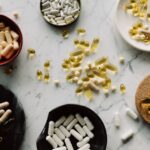
- Calcium supplements. Many centers ask you to stop taking calcium supplements for about 24 hours before the test. Taking a large dose of calcium right before a scan can temporarily raise the mineral content in your blood and may affect certain measurements. This is why the instructions exist, not because of food or drink in general.
- Other blood tests on the same day. If your doctor ordered blood work alongside the bone scan, those tests may require fasting. The fasting rule belongs to the blood draw, not the DXA.
- Confusion between tests. Some imaging tests, like certain abdominal ultrasounds or glucose tests, do require fasting. People sometimes mix up the instructions.
If your paperwork is unclear, call the imaging center and ask directly. That one phone call removes all the guesswork.



Does Caffeine Weaken Your Bones Over Time?
The relationship between caffeine and bone health is real but smaller than many people assume, and it depends heavily on how much calcium you get.
Caffeine causes a small increase in calcium loss through urine. For most adults who get enough calcium from food, this effect is minor and does not meaningfully raise fracture risk. The picture changes when calcium intake is already low. In that situation, the extra loss matters more.
Some studies suggest a modest link between very high caffeine intake and lower bone density, particularly in older adults with poor calcium intake. The evidence is mixed, and the effect size is generally small compared with factors like age, hormone status, and physical activity.
The practical takeaway is not to fear coffee. It is to make sure you are getting enough calcium and vitamin D, which are the nutrients that actually build and maintain bone.
How Should You Prepare for a Bone Density Test?
Preparation is simple. The instructions below reflect standard practice at most imaging centers, though individual facilities may vary slightly.
- Wear comfortable clothing without metal zippers, buttons, or snaps. Some centers provide a gown.
- Avoid calcium supplements for about 24 hours before the scan, unless your doctor says otherwise.
- Tell the technologist if you have had a recent barium study, nuclear medicine scan, or contrast dye injection. These can interfere with the reading.
- Bring a list of your medications, especially any hormone therapy, steroid use, or osteoporosis drugs.
- You can eat and drink normally, including coffee, unless you were given specific instructions otherwise.
One thing people often do not realize: the same machine and the same technologist matter for tracking change over time. Bone density can shift by small amounts between scans, and comparing results from different machines can introduce error. If possible, get follow-up scans at the same facility.
What Else Can Throw Off a Bone Density Reading?
Coffee is not on the list of things that interfere. Several other factors are.
Recent contrast dye from a CT scan or barium from a digestive study can linger and affect the measurement. So can significant weight changes between scans, because the software uses body composition in its calculations. Positioning matters too. If you are scanned at a slightly different angle, the numbers can shift a little.
Certain medical conditions and medications also affect bone density, but those are things your doctor already factors in. They include long-term steroid use, some hormone treatments, and conditions that affect calcium absorption.
The point is that a bone density result is a snapshot, not an absolute. Trends over several years tell a more reliable story than any single number.
Who Should Get a Bone Density Test?
Bone density testing is most often recommended for women 65 and older and men 70 and older. It is also commonly recommended earlier for people with specific risk factors.
Those risk factors include a previous fracture from a minor fall, long-term use of steroid medications, early menopause, a family history of osteoporosis, low body weight, smoking, and heavy alcohol use. Certain medical conditions that affect nutrient absorption also raise risk.
Bone loss happens quietly. There are usually no symptoms until a fracture occurs, which is why screening exists in the first place. A broken hip or wrist is often the first sign that something was wrong for years.
If you are unsure whether you need testing, that is a conversation for your doctor. The decision depends on your age, sex, history, and other health factors.
Does Coffee Help or Hurt Bone Health?
For most people, moderate coffee consumption is not a meaningful threat to bone health. The larger influences are calcium and vitamin D intake, physical activity, hormone status, and age.
Weight-bearing exercise, like walking, jogging, or lifting weights, signals your bones to stay strong. Adequate calcium and vitamin D give your body the raw materials to do it. Smoking and heavy alcohol use work against you.
If you drink several cups of coffee a day and your calcium intake is low, that combination deserves attention. The fix is not necessarily to quit coffee. It is to get enough calcium, which for most adults means roughly 1,000 to 1,200 milligrams per day from food and supplements combined, depending on age and sex.
Coffee, on its own, is not the villain here. It is one small factor among many, and it has no bearing on whether you can have a cup before your scan.
Frequently Asked Questions
Can I drink coffee before a bone density test?
Yes. Coffee does not interfere with a DXA scan or change the results. You can drink it normally unless your imaging center gave you specific instructions to avoid it.
Do I need to fast before a bone density test?
No, fasting is not required for a bone density test. If your paperwork mentions fasting, it is usually because of calcium supplements or a separate blood test scheduled the same day.
Should I stop taking calcium before a bone density scan?
Many imaging centers ask you to avoid calcium supplements for about 24 hours before the test. Follow whatever instruction your specific facility provides, and ask your doctor if you are unsure.
Does caffeine cause osteoporosis?
Caffeine causes a small increase in calcium loss through urine, but this is unlikely to matter for most adults who get enough calcium. The evidence linking high caffeine intake to lower bone density is mixed and the effect is generally small.
