
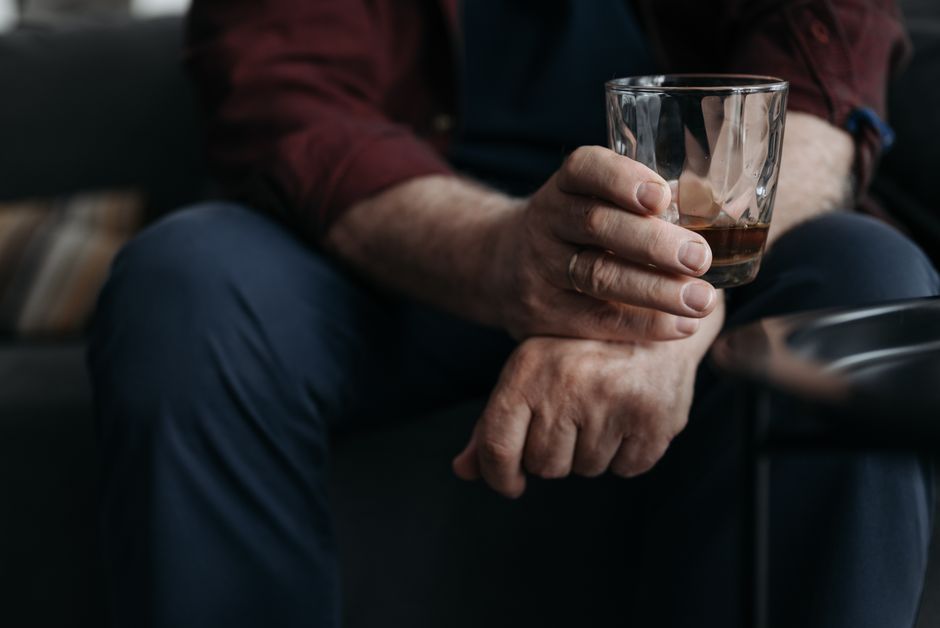
There is no blanket rule that says you cannot drink alcohol after a steroid injection. Whether it is wise depends on which steroid was injected, where it was injected, why you received it, and how much you plan to drink. For most people receiving a single local cortisone shot into a joint or soft tissue, an occasional drink is unlikely to cause a specific problem. That said, there are real reasons to be cautious, and some of them have nothing to do with the injection site itself.
Can I Drink Alcohol After a Steroid Injection?
You can, in most cases, but “can” and “should” are different questions. The main concern is not a direct chemical reaction between alcohol and the steroid. It is the combined effect on your body’s stress response, blood sugar, immune function, and stomach lining.
Corticosteroids — the family that includes prednisone, methylprednisolone, triamcinolone, and dexamethasone — are powerful anti-inflammatory drugs. When injected into a joint, bursa, or muscle, they act mostly at that local site. But a portion still enters the bloodstream and has body-wide effects. Alcohol adds its own strain on several of the same systems.
How much this matters depends heavily on the dose and how often you receive injections. A single small joint injection is a very different situation from repeated epidural steroid injections or high-dose systemic steroids.
What Kind of Steroid Injection Did You Receive?
Not all steroid injections are the same, and the type matters for this question.
- Local joint or soft tissue injections — cortisone shots for knee arthritis, shoulder bursitis, or tendon inflammation. These are the most common. Systemic absorption is usually modest.
- Epidural steroid injections — used for back or neck pain. These deliver steroid near the spine and can produce more systemic effects than a single peripheral joint shot.
- Intramuscular injections — such as a shot of a long-acting steroid for an allergic reaction or inflammatory flare. These are designed to have body-wide effects.
- Intravenous steroids — given in hospital settings for severe conditions. Alcohol is generally avoided in these situations for multiple reasons.
The distinction matters because the more steroid that reaches your bloodstream, the more it can interact with what alcohol does to your body.
How Alcohol and Corticosteroids Affect the Same Systems
Both alcohol and corticosteroids raise blood sugar. This is well established. Corticosteroids increase glucose production in the liver and reduce how well your cells respond to insulin. Alcohol can also affect blood sugar, sometimes raising it and sometimes causing delayed lows, depending on how much you drink and whether you have eaten.
If you have diabetes or prediabetes, this combined effect is worth taking seriously. A steroid injection alone can push blood sugar up for several days in some people. Adding alcohol makes the picture harder to predict.
Both also suppress immune function. Corticosteroids are used deliberately to calm the immune system. Alcohol impairs immune responses too, particularly with heavy or frequent drinking. If you received the injection to treat an infection-related problem — which is uncommon, since steroids can worsen some infections — this becomes more relevant.
Both can irritate the stomach lining. Corticosteroids increase the risk of gastrointestinal bleeding, especially when combined with nonsteroidal anti-inflammatory drugs like ibuprofen or naproxen. Alcohol does the same. The combination of all three — steroid, NSAID, and alcohol — is where the risk adds up most clearly.


Blood Sugar: The Most Overlooked Concern
This is the part many people do not hear about. A corticosteroid injection can raise blood glucose even in people without diabetes. Research has documented this effect, particularly with epidural and intramuscular injections. The rise can last from a day to several days, depending on the steroid and dose.
Alcohol complicates this in two ways. It can add to the glucose rise in some situations, and it can cause dangerous drops in others — especially if you drink without eating. For someone with diabetes on insulin or certain oral medications, this unpredictability is the real issue, not a direct drug interaction.
If you have diabetes and plan to drink after a steroid injection, checking your blood sugar more often than usual is a reasonable precaution. This is general clinical practice, not a formal guideline specific to this combination.
Does Alcohol Interfere With the Injection’s Effectiveness?
There is no good evidence that a moderate amount of alcohol reduces how well a steroid injection works. The steroid does its job at the injection site regardless of whether you have a glass of wine that evening.
What alcohol can do is affect how you feel and how you interpret your symptoms. If you drink enough to feel relaxed or slightly numb, you may not notice whether the injection helped. You may also be more likely to overuse the joint or area that was injected, which can work against the purpose of the injection.
Heavy drinking over time is a different story. Chronic alcohol use is associated with poorer outcomes in many musculoskeletal conditions, partly through its effects on bone health, muscle function, and inflammation. But that is about long-term patterns, not one drink after one shot.
When You Should Avoid Alcohol Entirely
There are situations where the answer is clearly no, at least for a period of time.
- You are taking prescription pain medication. Opioids and alcohol together can cause dangerous sedation and breathing problems. This is a well-established risk.
- You have liver disease. Both alcohol and corticosteroids are processed by or affect the liver. Combining them adds strain.
- You have poorly controlled diabetes. The blood sugar effects become harder to manage.
- You have a history of stomach ulcers or GI bleeding. The combined irritation risk is higher.
- You are on high-dose or long-term systemic steroids. This is a different situation from a single local injection.
- You received the injection for a condition where alcohol is already discouraged by your treating clinician.
If any of these apply, ask the clinician who gave you the injection. They know your dose, your history, and your other medications.
How Long Should You Wait?
There is no official waiting period between a steroid injection and alcohol. No guideline sets a specific number of hours or days.
Some clinicians suggest avoiding alcohol for a day or two after the injection, mainly to see how your body responds and to avoid confusing the picture if you feel unwell. Others do not mention it at all for a simple joint shot.
If you want a practical approach, the safest window is to skip alcohol for the first 24 to 48 hours after the injection. This is not based on a formal recommendation. It is a cautious choice that lets you notice any reaction and avoids adding alcohol’s effects on blood sugar and stomach lining during the period when the steroid is most active.
What About the Day Before or After Other Injections?
People often ask this about vaccines or other injections given around the same time. The answer is different for each.
Alcohol does not meaningfully interfere with most vaccines. Some research suggests heavy drinking may reduce immune response to certain vaccines, but an occasional drink is not a concern for most people.
For steroid injections specifically, the question is not about the injection itself. It is about the steroid’s body-wide effects. That is why the answer depends on the type of injection and your overall health, not on a fixed rule.
What to Tell Your Doctor
Be honest about how much you drink. This is not about judgment. It is about giving your clinician the information they need to assess your risk.
Alcohol use affects how the liver processes many medications, how blood sugar behaves, and how likely you are to have complications from procedures. A clinician who knows your drinking pattern can give you a more useful answer than any general article can.
If you are unsure whether your injection was a local shot or a systemic dose, ask. The answer changes the advice.
Frequently Asked Questions
Can I drink alcohol after a cortisone shot?
In most cases, an occasional drink after a single local cortisone shot is unlikely to cause a specific problem. However, alcohol can add to the steroid’s effects on blood sugar and stomach lining, so caution is reasonable.
Does alcohol make a steroid injection less effective?
There is no good evidence that moderate alcohol reduces how well a steroid injection works. Heavy or long-term drinking is associated with poorer outcomes in many conditions, but that is a different issue.
How long after a steroid injection can I drink alcohol?
No official guideline sets a waiting period. Some clinicians suggest avoiding alcohol for 24 to 48 hours after the injection as a cautious approach, but this is not a formal recommendation.
Can I drink alcohol if I have diabetes and had a steroid injection?
Steroid injections can raise blood sugar for several days, and alcohol makes glucose levels harder to predict. If you have diabetes, check your blood sugar more often and talk to your doctor before drinking.
