

After a fat transfer to the breast, your priority is protecting the newly grafted fat cells so they can establish a blood supply and survive. The best foods to eat are those that reduce inflammation, support tissue repair, and provide stable energy without causing significant weight fluctuations. Focus on lean proteins, colorful vegetables, healthy fats, and plenty of water while limiting processed foods, excess sodium, and alcohol during the first several weeks of recovery.
How Fat Transfer To The Breast Works
Fat transfer, also called autologous fat grafting, takes fat from one part of your body — often the abdomen, thighs, or flanks — and injects it into your breasts. The procedure is a two-step process. First, fat is removed through liposuction. Then that fat is purified and carefully injected into the breast tissue.
Not every fat cell survives the transfer. Some studies suggest that a portion of the grafted fat is reabsorbed by the body over the first few months. The final result depends on how many cells establish a new blood supply. Your diet directly influences that process.
Inflammation is the enemy of graft survival. When the body is inflamed, blood flow can be less efficient, and the immune system may clear away more of the transplanted cells. Eating foods that keep inflammation low gives the fat cells the best chance to integrate into their new location.
Why Protein Matters After Fat Grafting
Protein provides the building blocks for tissue repair. After any surgical procedure, your body needs additional amino acids to heal incisions, rebuild blood vessels, and support the cellular processes that keep grafted fat alive.
Good protein sources after surgery include:
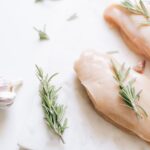
- Chicken and turkey
- Fish, especially salmon and tuna
- Eggs
- Greek yogurt
- Beans and lentils
- Tofu and tempeh
Aim to include a protein source at every meal. This steady intake keeps amino acids available throughout the day so healing never stalls. If your appetite is low in the first few days after surgery, protein shakes or smoothies with added protein powder can help you meet your needs.
Foods That Reduce Inflammation
Inflammation is a normal part of healing, but excessive or prolonged inflammation can harm grafted fat cells. Certain foods help keep the inflammatory response in check.
Colorful fruits and vegetables are rich in antioxidants that neutralize free radicals produced during surgery and healing. Berries, leafy greens, bell peppers, and tomatoes are excellent choices. These foods do more than reduce inflammation — they supply vitamins that support collagen production and wound healing.
Omega-3 fatty acids also play a role in controlling inflammation. Fatty fish like salmon and mackerel are the most direct sources. Plant-based options include walnuts, flaxseeds, and chia seeds. Some research suggests omega-3s may improve blood vessel formation, which is exactly what grafted fat needs to survive.
Vitamin C deserves special attention. It is required for collagen synthesis, which helps the surgical sites heal properly. Citrus fruits, strawberries, kiwi, broccoli, and Brussels sprouts are all rich in vitamin C. Including these foods daily supports both the liposuction sites and the breast incisions.


Foods To Avoid After Fat Transfer
What you avoid is just as important as what you eat. Some foods can increase inflammation, interfere with healing, or cause fluid retention that complicates recovery.
Alcohol should be avoided for at least the first two weeks after surgery. Alcohol thins the blood, which can increase bruising and swelling. It also dehydrates the body and can interfere with the medications you may be taking during recovery.
Excess sodium causes water retention. Swelling is already expected after surgery, and a high-salt diet can make it worse. This is not just uncomfortable — significant swelling can put pressure on the grafted fat and potentially affect blood flow. Skip processed meats, canned soups, fast food, and salty snacks during the early recovery period.
Sugary foods and refined carbohydrates promote inflammation. Cakes, cookies, white bread, and sugary drinks spike blood sugar and can slow the healing process. They also provide empty calories that may lead to weight gain, which can alter your results.
Caffeine is a mild diuretic and can contribute to dehydration. You do not need to eliminate it entirely, but staying well-hydrated is more important than usual after surgery. If you drink coffee or tea, balance it with extra water.
Why Weight Stability Protects Your Results
Fat transfer results are sensitive to weight changes. The fat cells that survive in your breasts behave like fat cells anywhere else in your body. If you gain weight, they can expand. If you lose weight, they can shrink.
Large weight fluctuations during the first few months after surgery can affect the final outcome. Rapid weight loss may cause the grafted fat to shrink along with your natural fat stores. Significant weight gain can stretch the skin and change the contour of your breasts.
The goal is not to diet during recovery. It is to eat enough to support healing while keeping your weight steady. Eat regular meals and do not skip meals to try to lose weight. Your body needs consistent nutrition to repair tissue and maintain the graft.
Hydration And Its Role In Recovery
Water supports every aspect of healing. It helps transport nutrients to healing tissues, removes waste products, and keeps blood volume adequate. Dehydration can reduce blood flow, which is dangerous for newly grafted fat cells that are working to establish a blood supply.
Aim for at least eight to ten glasses of water per day during the first few weeks of recovery. If you are taking pain medications, staying hydrated becomes even more important, as some medications can be hard on the kidneys when you are dehydrated.
Water-rich foods can also contribute to your fluid intake. Cucumbers, watermelon, celery, and oranges provide hydration along with vitamins and antioxidants. Herbal teas are another good option, provided they are caffeine-free.
Supplements After Fat Transfer
Some surgeons recommend supplements to support healing after fat transfer. Arnica and bromelain are sometimes suggested to reduce bruising and swelling. Vitamin C and zinc are commonly recommended for wound healing.
However, no large clinical trials have specifically confirmed that any supplement improves fat graft survival. Some supplements can interfere with blood clotting or interact with medications. Always ask your surgeon before taking anything new.
Your surgeon may also advise you to stop certain supplements before surgery, such as fish oil, vitamin E, and ginkgo biloba, because they increase bleeding risk. Follow those instructions carefully. Do not restart any supplement without discussing it with your surgical team.
Sample Eating Plan For The First Weeks
A simple eating pattern during recovery might look like this. This is not a prescription — it is a template to show what balanced recovery nutrition looks like in practice.
Breakfast: Scrambled eggs with spinach and a side of berries. A slice of whole-grain toast if you tolerate it.
Lunch: Grilled chicken salad with mixed greens, tomatoes, avocado, and a light olive oil dressing. A small bowl of lentil soup on the side.
Snack: Greek yogurt with walnuts and a drizzle of honey.
Dinner: Baked salmon with roasted sweet potatoes and steamed broccoli.
Hydration: Water throughout the day. Herbal tea in the evening.
This pattern provides protein at every meal, a range of antioxidant-rich vegetables and fruits, healthy fats from fish and avocado, and complex carbohydrates for steady energy. It is also naturally low in sodium and refined sugar.
How Long Should You Eat This Way?
The most critical period is the first four to six weeks after surgery. This is when the grafted fat is establishing its blood supply and the risk of reabsorption is highest. During this window, be most careful about your food choices.
After the first two months, you can gradually return to a more flexible eating pattern. However, maintaining a generally anti-inflammatory diet supports long-term results. The fat cells in your breasts will continue to respond to your overall nutrition and weight stability for months and even years afterward.
Some surgeons advise patients to avoid significant weight changes for at least six months after the procedure. This allows the fat to fully settle and the final contour to become stable. If you are considering weight loss, discuss the timing with your surgeon before starting any diet program.
Your surgeon may have specific dietary instructions based on your individual procedure and health history. Those instructions take priority over general advice. When your instructions and general guidance differ, follow your surgeon’s directions.
Frequently Asked Questions
How soon can I eat normally after fat transfer to breast?
You can eat normally as soon as you feel ready, usually within a day or two after surgery. However, you should follow an anti-inflammatory, protein-rich diet for at least the first four to six weeks to support fat graft survival.
Can I drink coffee after fat transfer to breast?
Small amounts of coffee are generally fine, but caffeine can contribute to dehydration. Balance each cup with extra water, and avoid coffee entirely if you are taking pain medications that make you drowsy or nauseous.
Will eating certain foods make the fat transfer last longer?
No specific food can guarantee fat graft survival. A diet that keeps inflammation low, provides adequate protein, and maintains stable weight gives the transplanted fat the best environment to survive and integrate.
Can I diet to lose weight after fat transfer?
You should avoid intentional weight loss for at least six months after surgery. Weight loss can shrink the grafted fat cells and reduce your final result. Focus on eating enough to heal and maintaining a stable weight.
