
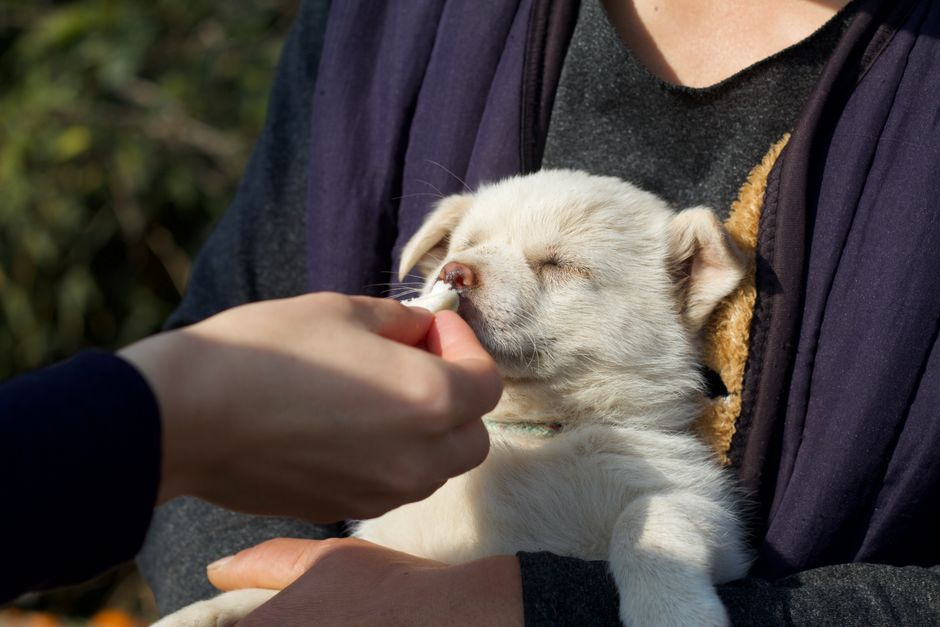
Yes, humans can get sick from puppies. Puppies carry several germs that spread easily to people through licks, bites, and everyday contact. Most of these illnesses are mild and treatable, but a few can become serious without proper care.
The good news is that none of this is a reason to avoid puppies. Understanding how these germs move from dog to human — and which ones matter most — makes the risk much easier to manage.
Can Humans Get Sick From Puppies?
They can, and it happens more often than most people realize. The medical term for diseases passed from animals to humans is zoonoses (zoh-uh-NOH-seez). Puppies are a common source because their immune systems are still developing, they explore the world with their mouths, and they are not always fully vaccinated yet.
Puppies also shed certain germs in their stool and saliva at higher rates than adult dogs. Their small size and clumsy behavior make scratches and nips more likely, especially with children.
Most transmission happens in ordinary ways. A puppy licks a child’s face. Someone forgets to wash their hands after cleaning up accidents. A playful bite breaks the skin. None of this requires unusual circumstances.
The illnesses themselves range from a mild stomach bug that clears up on its own to infections that need antibiotics. A small number can be dangerous if ignored.
What Illnesses Can You Catch From a Puppy?
Several infections are well documented in people who have contact with dogs, particularly puppies. These are the ones that come up most often.
- Campylobacter and Salmonella: Bacteria that cause diarrhea, cramping, and fever. Puppies can carry these in their intestines and shed them in stool without appearing sick themselves.
- Giardia: A microscopic parasite that causes diarrhea. It spreads through contaminated water and stool, and puppies are frequent carriers.
- Roundworms and hookworms: Intestinal parasites whose eggs or larvae can infect people who accidentally swallow contaminated soil or come into contact with infected stool.
- Rabies: A viral infection that is almost always fatal once symptoms appear. In the United States, rabies in domestic dogs is rare because of widespread vaccination, but the risk is not zero, especially with puppies of unknown vaccination history.
- Capnocytophaga: A bacterium found in dog saliva that can cause serious infection, particularly in people with weakened immune systems.
The pattern here is consistent. Germs that live in a puppy’s gut end up in stool. Germs that live in a puppy’s mouth end up in saliva. Contact with either, followed by touching your own mouth or face, is how most infections begin.
How Do Puppies Actually Pass Germs to People?
Direct contact is the main route. This includes petting, being licked, and handling a puppy’s food or waste. The germs do not need to enter through a wound. They can enter when you touch your mouth, nose, or eyes after contact.
Bites and scratches are a second route. Even a playful nip that barely breaks the skin creates an opening for bacteria. Puppy teeth are sharp, and a small puncture can be easy to miss.
Contaminated environments matter too. Puppy stool in a yard, a kennel, or a public park can leave parasite eggs in the soil. These eggs can survive for long periods and infect someone who gardens, plays, or walks barefoot in that area.
There is one detail worth knowing that surprises many people. A puppy does not have to look sick to spread germs. Carriers can appear completely healthy while shedding bacteria or parasites in their stool. This is why handwashing matters even with a puppy that seems perfectly fine.





Who Is Most at Risk From Puppy-Borne Illness?
Anyone can get sick, but some people face higher risk of serious complications. The same infection that causes mild diarrhea in a healthy adult can be far more dangerous in someone with a weaker immune system.
- Children under 5, who are more likely to put their hands in their mouths and less likely to wash thoroughly
- Adults 65 and older
- Pregnant women, particularly with certain infections
- People with weakened immune systems from illness or medication
The reason is straightforward. These groups have a harder time fighting off infections, so a bug that would normally stay contained can spread further. Capnocytophaga infections, for example, are rare in healthy people but can become severe in those without a functioning spleen or with compromised immunity.
This does not mean these groups should avoid puppies. It means the basic precautions matter more, and any sign of infection should be taken seriously rather than watched at home.
What Symptoms Should You Watch For?
Symptoms depend on the germ involved, but a few patterns are common. Digestive symptoms are the most frequent. That means diarrhea, stomach cramps, nausea, and sometimes fever appearing days after contact.
Skin infections show up differently. A bite or scratch that becomes red, swollen, warm, or painful may be infected. Pus or a red streak spreading from the wound are signs that need medical attention.
Some infections take longer to appear. Roundworm infection, for example, can cause vision problems if larvae migrate to the eye. This is uncommon but serious, and it is one reason prompt treatment of known exposure matters.
The timeline varies by germ. Some cause symptoms within a day or two. Others take a week or more. If you or your child develops symptoms after contact with a puppy — especially after a bite or a bout of diarrhea — tell your doctor about the exposure. That detail helps guide testing and treatment.
Can You Prevent Getting Sick From a Puppy?
You can reduce the risk substantially with a handful of habits. None of them are complicated, and together they cover most transmission routes.
- Wash your hands with soap and water after touching a puppy, cleaning up waste, or handling dog food and bowls.
- Keep puppies out of the kitchen and away from food preparation areas.
- Clean up puppy waste promptly, and use gloves if you can.
- Teach children not to let puppies lick their faces or hands, and to wash up afterward.
- Treat any bite or scratch by washing the wound thoroughly with soap and running water, then seek medical advice.
- Keep your puppy up to date on vaccinations and deworming as directed by a veterinarian.
Veterinary care is a big part of the picture. Regular deworming and vaccination protect the puppy and reduce what it can pass on. A puppy with an unknown health history, such as one from a shelter or a rescue, should be checked by a vet soon after adoption.
Puppy classes and socialization are important for a dog’s development, but they also mean more contact with other dogs and their germs. Reputable trainers and veterinarians generally recommend balancing socialization with sensible hygiene, especially before the puppy’s vaccine series is complete.
When Should You See a Doctor?
See a doctor if a bite or scratch breaks the skin, if diarrhea is severe or lasts more than a few days, or if you develop a fever after contact with a puppy. Do not wait to see whether it clears up on its own if you are in a higher-risk group.
Rabies deserves special mention. If a puppy of unknown vaccination status bites you, seek medical care right away. Rabies is preventable with prompt treatment after exposure, but it is nearly always fatal once symptoms begin. This is not a wait-and-see situation.
For most healthy adults, a mild stomach bug from a puppy will pass without treatment. But it is reasonable to check with a doctor if you are unsure, especially given how easily these infections spread to others in a household.
The bottom line is that puppies can make people sick, but the risk is manageable. Handwashing, prompt wound care, and routine veterinary care cover most of it. The bond between people and dogs is well worth the small effort these habits require.
Frequently Asked Questions
Can you get sick from kissing a puppy?
Yes, because dog saliva can carry bacteria that cause illness in people. The risk is higher if the puppy licks your mouth, nose, or an open wound, so washing your face afterward is a reasonable step.
Can you get worms from sleeping with your puppy?
Yes, intestinal parasites like roundworms and hookworms can spread to people through contact with contaminated stool or soil. Sleeping in the same bed raises the chance of accidental exposure, especially if the puppy is not regularly dewormed.
How long after contact with a puppy do symptoms appear?
It depends on the germ. Some bacterial infections cause symptoms within one to three days, while others can take a week or longer to show up.
Are puppy bites dangerous?
They can be. Even a small bite can introduce bacteria like Capnocytophaga into the skin, and any bite from a puppy with unknown vaccination history raises rabies concerns that require prompt medical care.
