

Yes, humans can get fleas. While fleas prefer animal hosts like cats and dogs, they will bite people when given the chance. The most common flea to bite humans is the cat flea, even though its name suggests otherwise. Flea bites on humans are annoying, itchy, and can sometimes lead to secondary infections, but they are rarely dangerous.
Can Humans Get Fleas?
Fleas are small, wingless insects that feed on blood. They are built for jumping, not flying, and can leap distances many times their body length. Most flea species have a preferred host, but they are not strict about it. When a dog or cat brings fleas into a home, those fleas will happily bite the humans living there.
The cat flea is the most common culprit in North American homes. Dog fleas exist, but they are less common. Human fleas, a distinct species, are rare in most parts of the world today. For practical purposes, if you are getting bitten in your home, the cat flea is likely the cause.
Fleas do not live on humans the way they live on pets. Human skin lacks the dense fur that fleas use for shelter and egg-laying. A flea may bite a person and feed, but it will not stay long. Fleas prefer to live in carpets, bedding, and pet resting areas, jumping onto a host only to feed.
What Do Flea Bites Look Like on Humans?
Flea bites appear as small, red, raised bumps. They often have a red halo around the bite center. The bites are intensely itchy and usually appear in clusters or lines. This pattern happens because one flea will bite several times as it moves across the skin.
Flea bites on humans most often occur on the lower legs and feet. This is simply because these areas are closest to the ground where fleas are waiting. Bites can also appear on the waist, armpits, or in skin folds, especially if a person sat on an infested couch or carpet.
The itching comes from the flea’s saliva. When a flea bites, it injects saliva that prevents blood from clotting so it can feed. The human immune system reacts to this saliva, causing the red bump and itch. Some people react strongly, while others barely notice bites at all. The reaction typically peaks within a day and can last up to a week.
How Do You Know If Bites Are from Fleas?
Flea bites are often confused with bed bug bites or mosquito bites. There are some differences worth knowing. Flea bites usually appear on the lower legs and feet. Bed bug bites typically appear on exposed skin while sleeping, like the arms, neck, and face. Mosquito bites are usually single, isolated bumps rather than clusters.
The most reliable way to confirm fleas is to find the fleas themselves. Look for them in pet bedding, carpets, and upholstered furniture. Fleas are tiny, about 1/8 inch long, and reddish-brown. They move quickly and jump when disturbed. You may also find “flea dirt,” which looks like small black specks. If you place these specks on a wet paper towel and they turn reddish-brown, it is flea feces containing digested blood.
If you cannot find fleas but keep getting bites, consider other causes. Allergic reactions, other insects, or skin conditions can produce similar bumps. If the pattern is unusual or you cannot identify the source, a dermatologist can help determine the cause.

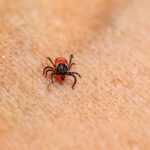



Can Fleas Live on Humans or in Human Hair?
Fleas do not live permanently on humans. Human hair is not a suitable habitat for them. Fleas prefer to hide in dark, protected places and emerge only to feed. Human hair does not provide the same coverage and warmth as animal fur, and fleas cannot lay eggs effectively in it.
A flea may briefly hop onto a person’s head or body, but it will leave quickly. This is different from head lice, which are a completely different insect that lives exclusively on human scalps. Fleas and lice are often confused, but they are not the same. Lice are smaller, move slowly, and stay on the head. Fleas jump and do not stay.
The practical takeaway is that treating your body is not the main solution. Treating your home and pets is what actually eliminates a flea problem. If you only treat yourself, the fleas in your environment will keep biting.
How to Treat Flea Bites on Humans
Treatment for flea bites focuses on relieving the itch and preventing infection. Wash the area with mild soap and water. Applying a cold compress can reduce swelling and numb the area. Over-the-counter hydrocortisone cream or calamine lotion can help with itching. Oral antihistamines like diphenhydramine can also reduce the allergic reaction.
Do not scratch the bites. Scratching breaks the skin and opens the door to bacterial infection. Signs of infection include increased redness, warmth, swelling, pain, or pus. If these develop, see a healthcare provider. Secondary infections from scratching are the most common complication of flea bites.
Most flea bites resolve on their own within one to two weeks. If the itching is severe or does not improve with basic care, a doctor can prescribe stronger treatments. In rare cases, people can develop a more serious allergic reaction that requires medical attention.
Do Fleas Spread Diseases to Humans?
Fleas can transmit diseases, but the risk in modern North America is very low. The most famous flea-borne disease is plague, caused by the bacterium Yersinia pestis. Fleas transmit this bacterium between rodents, and humans can be infected through flea bites. Plague is extremely rare in the United States today, with only a handful of cases reported each year, mostly in rural western areas.
Fleas can also transmit murine typhus, a bacterial infection that causes fever, headache, and rash. This disease is uncommon and mainly associated with areas where rats are present. Cat scratch disease, caused by Bartonella henselae, is transmitted through flea feces. A cat scratches or bites a person, and the flea dirt enters the wound. It is generally a mild illness in healthy people.
The average person who gets flea bites from a household pet faces a very low risk of disease. The bigger concern is the intense itching and the risk of skin infection from scratching. If you develop a fever, headache, or unusual symptoms after flea bites, seek medical attention.
How to Get Rid of Fleas in Your Home
Getting rid of fleas requires treating the environment, not just the bites. Fleas spend most of their lives off the host. Eggs, larvae, and pupae live in carpets, furniture, and pet bedding. Killing adult fleas on your pet is only part of the solution.
Start by treating your pets with a veterinarian-approved flea product. Do not use dog products on cats, as some are toxic to felines. Follow the dosing instructions exactly. Then treat the home. Vacuum thoroughly, especially in areas where pets sleep. Vacuuming removes eggs, larvae, and adult fleas. Dispose of the vacuum bag immediately after use.
Wash all bedding, including pet bedding, in hot water. If you have a severe infestation, you may need an insecticide spray designed for indoor flea control. Products containing insect growth regulators prevent flea eggs and larvae from developing. In heavily infested homes, professional pest control may be necessary.
Be patient. Flea pupae can remain dormant for months and survive many treatments. It can take several weeks to fully eliminate an infestation. Consistent vacuuming and continued pet treatment are essential. If you stop early, the fleas will come back.
How to Prevent Flea Bites
Prevention starts with your pets. Keep pets on year-round flea prevention medication as recommended by a veterinarian. This is the single most effective step. Regularly check pets for fleas, especially after they have been outdoors or around other animals.
Vacuum regularly, even when you do not see fleas. This removes flea eggs and larvae before they develop. Wash pet bedding weekly in hot water. If you live in an area with many stray animals or wildlife, consider limiting your pet’s exposure to these areas.
If you are visiting a home with a known flea problem, take precautions. Wear long pants and socks. Tuck pants into socks to prevent fleas from reaching your skin. Apply an insect repellent containing DEET to your lower legs and feet. After returning home, check yourself for fleas and wash your clothes in hot water.
Frequently Asked Questions
Can fleas live in human hair?
No, fleas do not live in human hair. They prefer animal fur and will leave human skin after feeding.
How long do flea bites last on humans?
Most flea bites heal within one to two weeks. The itching usually peaks within a day or two and gradually fades.
Why do fleas bite me but not my partner?
People react differently to flea saliva. One person may develop itchy welts while another has no visible reaction at all.
Can I get fleas from my dog sleeping in my bed?
Yes. If your dog has fleas, they can jump onto you and bite, and they can lay eggs in your bedding.
