
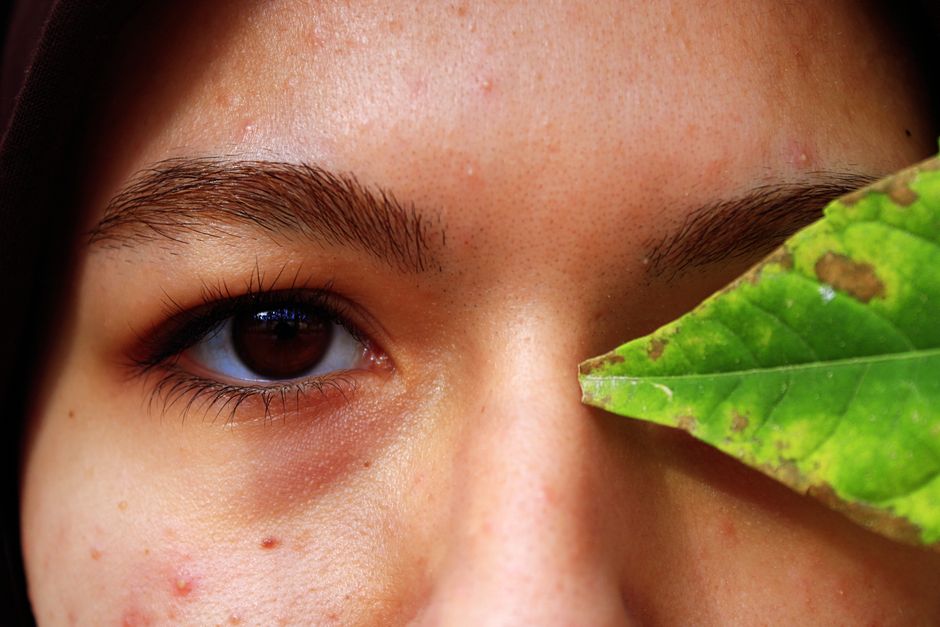
Losing eyelashes can be alarming, but the short answer is yes, they usually grow back. Eyelashes follow a natural growth cycle, and most cases of eyelash loss are temporary. The real question is why they fell out in the first place, because that determines how quickly and completely they return.
What Is the Natural Eyelash Growth Cycle?
Eyelashes do not grow continuously like head hair. They grow in a fixed cycle that repeats throughout your life. Understanding this cycle explains why eyelash loss is often normal and why regrowth takes time.
The cycle has three phases. The anagen phase is active growth and lasts about 30 to 45 days. The catagen phase is a short transition period of two to three weeks. The telogen phase is the resting stage, lasting about 100 days, after which the lash falls out naturally.
At any given time, most of your eyelashes are in the active growth phase. A small percentage are resting or shedding. This is why you occasionally find an eyelash on your cheek or pillow. Losing one or two lashes a day is completely normal and not a reason for concern.
Because the growth phase is short, eyelashes never reach the length of head hair. It also means that when a lash falls out, the replacement has been developing beneath the surface for weeks. Full regrowth after significant loss typically takes one to two months, sometimes longer depending on the cause.
Can Eyelashes Grow Back After Plucking or Pulling?
Yes, plucked eyelashes usually grow back. The follicle remains intact in most cases, and a new lash will begin its growth cycle. Regrowth typically takes four to eight weeks, which matches the natural anagen phase.
Repeated plucking is different. If you pull the same lash out many times over months or years, you can damage the follicle itself. Scar tissue can form, and the follicle may stop producing a lash permanently. This is why dermatologists strongly advise against habitual eyelash pulling.
Trichotillomania is a condition where a person feels compelled to pull out their own hair, including eyelashes. If this applies to you or someone you know, it is a recognized psychological condition and treatment is available. Cognitive behavioral therapy has helped many people manage the urge to pull.
Can Eyelashes Grow Back After Chemotherapy?
Chemotherapy is one of the most common causes of sudden, complete eyelash loss. The drugs target rapidly dividing cells, and hair follicles are among the fastest-dividing cells in the body. This is why hair loss is such a common side effect.
The good news is that eyelash loss from chemotherapy is almost always temporary. Once treatment ends, the follicles recover and regrowth begins. Most people see new lashes within three to six months after their final chemo session.
Some people notice that their eyelashes grow back thicker, darker, or curlier than before. This is a well-documented phenomenon, though the exact reason is not fully understood. The change is usually temporary, and lashes often return to their original appearance over time.





Can Eyelashes Grow Back After an Injury or Burn?
Physical trauma to the eyelid can damage the lash follicles. This includes burns, cuts, and surgical incisions. Whether lashes regrow depends on how deep the damage goes.
Superficial injuries usually heal with full regrowth. The follicles sit in the skin of the eyelid, and if the base of the follicle survives, a new lash will grow. Deeper injuries that destroy the follicle entirely will result in permanent loss in that specific spot.
If you have an eyelid injury, see a doctor promptly. Proper wound care reduces scarring and improves the chances of regrowth. Do not try to remove any remaining lashes near the injury, as this can cause more damage.
What Medical Conditions Cause Eyelash Loss?
Several medical conditions can cause eyelashes to fall out. Recognizing these is important because treating the underlying condition is the only way to restore lash growth.
Blepharitis is inflammation of the eyelid margins. It is a common condition that can cause lash loss, redness, crusting, and irritation. Treatment focuses on eyelid hygiene, warm compresses, and sometimes medicated ointments. Once the inflammation is controlled, lashes typically regrow.
Alopecia areata is an autoimmune condition where the immune system attacks hair follicles. It can affect any hair on the body, including eyelashes. Some people experience patchy hair loss on the scalp, while others lose all body hair. There is no cure, but treatments can help manage the condition, and spontaneous regrowth happens in some cases.
Thyroid disorders, particularly hyperthyroidism and hypothyroidism, can affect hair growth. Eyelash loss is sometimes one of the visible signs. Thyroid eye disease, associated with Graves’ disease, can cause eyelid changes that affect lashes. Treating the thyroid condition often improves hair regrowth.
Skin conditions like eczema, psoriasis, and seborrheic dermatitis can affect the eyelids. Chronic scratching or rubbing from these conditions can damage follicles and cause lash loss. Managing the skin condition usually allows lashes to return.
Do Eyelash Growth Serums Actually Work?
Some eyelash serums work. Others are pure marketing. The distinction matters because the effective ones have real side effects.
The active ingredient in the most effective serums is bimatoprost, a prostaglandin analog. It was originally developed as a glaucoma medication, and longer eyelashes were a noticed side effect. It works by prolonging the anagen growth phase, allowing lashes to grow longer and thicker.
Bimatoprost is FDA-approved for eyelash growth under the brand name Latisse. When used as directed, it produces visible results in about eight weeks, with full results by four months. It requires a prescription, and it works only while you use it. If you stop, lashes return to their previous state over several months.
Over-the-counter serums are a different story. Many contain peptides, vitamins, and botanical extracts. Some research suggests certain peptides may support hair growth, but clinical evidence for most of these products is limited. No large human trials have confirmed that over-the-counter serums produce the same results as bimatoprost.
Be cautious with any serum that promises dramatic results without a prescription. Some non-prescription products have been found to contain prostaglandin analogs without disclosing it on the label. Using these without medical supervision carries risks.
Are There Risks to Using Eyelash Growth Serums?
Yes. Prostaglandin analogs have documented side effects that you should know about before starting.
The most common side effects are eye irritation, redness, and itching. Some people develop darkening of the skin where the serum is applied, particularly on the eyelid. This hyperpigmentation can be permanent in some cases.
Another potential side effect is darkening of the iris, the colored part of the eye. This is rare but can be permanent. It has been observed in glaucoma patients using bimatoprost eye drops for extended periods. The risk with eyelash serum applied to the lash line is lower, but it is not zero.
Prostaglandin analogs can also cause fat loss around the eye. This creates a sunken appearance that some people find undesirable. This effect is more commonly associated with glaucoma drops, but it has been reported with lash serums as well.
If you have eye conditions, glaucoma, or a family history of iris color changes, talk to an ophthalmologist before using these products. Do not use them if you are pregnant or breastfeeding, as safety data is lacking.
How Can You Support Healthy Eyelash Regrowth?
There is no proven way to speed up eyelash growth beyond treating the underlying cause. But there are habits that protect the lashes you have and give regrowth the best chance.
Be gentle with your eyes. Rubbing your eyes repeatedly can pull out lashes and damage follicles. If you wear eye makeup, remove it gently with a soft cleanser rather than scrubbing. Waterproof mascara requires more effort to remove and may cause more lash loss.
Avoid eyelash extensions and perms. The adhesives used for extensions can cause allergic reactions and traction alopecia, where constant pulling damages follicles. The weight of extensions can also cause premature shedding. If you choose extensions, have them applied by a professional and take breaks between applications.
Do not use eyelash curlers aggressively. Pulling or tugging on lashes with a curler can break them or pull them out. If you use one, use it gently and replace the pad regularly.
A healthy diet supports hair growth, but no specific food or supplement has been proven to make eyelashes grow faster. Biotin supplements are popular for hair health, but clinical evidence for their effectiveness in people without a deficiency is weak. If you eat a balanced diet, you are likely getting what your hair follicles need.
When Should You See a Doctor About Eyelash Loss?
Occasional eyelash shedding is normal. Sudden or patchy loss is not. See a doctor if you notice any of the following.
- Lashes falling out in clumps or patches
- Complete loss of lashes on one or both eyes
- Redness, pain, swelling, or discharge along the eyelid
- Eyelash loss accompanied by scalp hair loss or skin changes
- No regrowth after several months
A dermatologist or ophthalmologist can examine your eyes and eyelids, identify the cause, and recommend treatment. In many cases, the cause is something easily treated, like blepharitis. In others, blood tests may be needed to check for thyroid or autoimmune conditions.
Do not attempt to self-diagnose. Multiple conditions can cause eyelash loss, and the right treatment depends on the correct diagnosis.
Frequently Asked Questions
How long does it take for eyelashes to grow back?
Most eyelashes grow back within one to two months after falling out. The full regrowth cycle takes about four to eight weeks for a new lash to become visible.
Do eyelashes grow back if pulled out from the root?
Yes, pulled eyelashes usually grow back because the follicle remains intact. Repeated pulling can permanently damage the follicle, so it is best to avoid plucking.
Can eyelash growth serums make lashes grow back faster?
Prescription serums containing bimatoprost can promote longer, thicker lashes, but they require a prescription and have side effects. Over-the-counter serums have limited evidence supporting their effectiveness.
Why are my eyelashes falling out suddenly?
Sudden eyelash loss can be caused by blepharitis, alopecia areata, thyroid disorders, chemotherapy, or physical trauma. See a doctor to determine the specific cause and appropriate treatment.
