
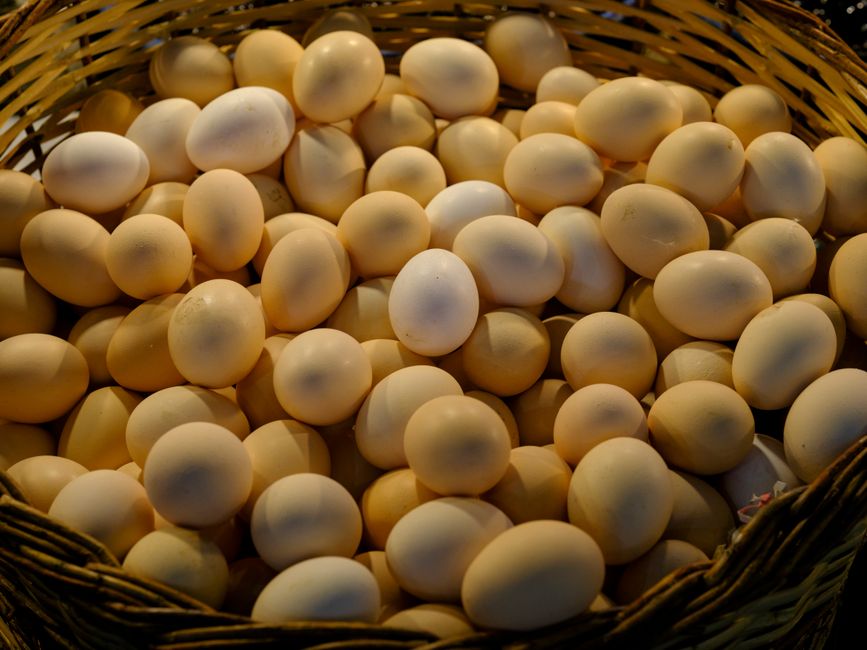
Yes, eggs can be frozen, but not the way you might think. You cannot toss a whole egg in its shell into the freezer and expect good results. The liquid inside expands when frozen, which can crack the shell and ruin the egg. However, with a few simple steps, you can freeze eggs for later use in baking, scrambled eggs, or omelets. The key is to remove the egg from the shell first and prepare it properly for freezing.
Can You Freeze Eggs in the Shell?
No, freezing eggs in their shell is not recommended. The shell is porous and not designed to handle the pressure created when the liquid egg expands during freezing. This expansion can cause the shell to crack, which opens the door to bacteria and spoilage.
Even if the shell does not crack, the texture and quality of the egg will suffer. The yolk can become thick and gel-like, making it unpleasant to use later. The USDA and food safety experts consistently advise against freezing eggs in the shell. Always remove the egg from the shell before freezing.
How to Freeze Whole Eggs
Freezing whole eggs is straightforward. Crack the eggs into a bowl and gently whisk them until the yolks and whites are fully combined. You do not need to add air; just mix until uniform.
Pour the mixture into a freezer-safe container. Leave about half an inch of headspace at the top because the liquid will expand as it freezes. Seal the container tightly and label it with the date and the number of eggs. Frozen whole eggs will keep for up to one year in a standard freezer at 0°F (-18°C) or below.
Some people prefer to freeze eggs in individual portions. An ice cube tray works well for this. Each standard ice cube holds about two tablespoons of liquid, which is roughly one large egg. Once frozen solid, pop the cubes out and store them in a labeled freezer bag.
How to Freeze Egg Whites and Yolks Separately
Separating eggs before freezing gives you more flexibility in the kitchen. Egg whites freeze beautifully on their own. They thaw quickly and whip up well for meringues or angel food cake.
To freeze egg whites, simply separate them and place them in a freezer-safe container. You can freeze each white individually or combine several in one container. Label with the number of whites and the date.
Egg yolks need a little extra care. Yolks contain fat and protein that can thicken and become gelatinous when frozen. To prevent this, whisk in either salt or sugar before freezing. Use about ⅛ teaspoon of salt or 1½ teaspoons of sugar per four yolks. Salted yolks work best for savory dishes, while sugared yolks suit desserts and sweet baking.





What Is the Best Way to Thaw Frozen Eggs?
The safest way to thaw frozen eggs is in the refrigerator overnight. This slow thawing keeps the eggs at a safe temperature and preserves quality. Never thaw eggs at room temperature on the counter. Bacteria multiply rapidly at room temperature, and eggs are particularly vulnerable.
If you are in a hurry, you can thaw frozen eggs in a bowl of cold water. Keep the eggs in their sealed container and submerge them in cold water. Change the water every 30 minutes until the eggs are thawed. Use them immediately after thawing this way.
Once thawed, use the eggs right away. Do not refreeze thawed eggs. They will lose quality and increase the risk of bacterial growth. Thawed eggs work best in dishes where they are fully cooked, such as scrambled eggs, quiches, or baked goods.
How Long Can You Keep Eggs in the Freezer?
Frozen eggs maintain their best quality for up to one year. This applies to whole eggs, whites, and yolks stored properly at 0°F (-18°C) or below. The eggs remain safe to eat beyond that point, but the texture and flavor may decline.
Freezer burn is the main enemy of frozen eggs. It happens when air reaches the surface of the food, causing dehydration and off-flavors. To prevent freezer burn, use airtight containers or wrap the eggs tightly in freezer-safe bags. Squeeze out as much air as possible before sealing.
Label everything clearly. It is easy to forget what is in the freezer and for how long. Write the date and the number of eggs on every container. This simple habit prevents waste and keeps your cooking predictable.
What Can You Make with Frozen Eggs?
Frozen eggs are a practical option for many cooked dishes. Scrambled eggs, omelets, and frittatas work well because the eggs are fully cooked. Baking is another excellent use. Cakes, cookies, muffins, and pancakes all benefit from having eggs on hand.
Hard-boiled eggs do not freeze well. The whites become rubbery and watery when thawed. Avoid freezing cooked eggs in general, as their texture changes dramatically.
Raw eggs that have been frozen and thawed are not ideal for recipes that require raw or lightly cooked eggs, such as homemade mayonnaise or hollandaise sauce. The texture of the yolk changes, and there is a small food safety concern with using thawed eggs in uncooked preparations. Stick to fully cooked dishes for best results.
Does Freezing Change the Nutritional Value of Eggs?
Freezing does not significantly change the nutritional content of eggs. The protein, vitamins, and minerals remain intact through the freezing and thawing process. Eggs are a rich source of high-quality protein, vitamin B12, riboflavin, and selenium, and these nutrients are stable at freezer temperatures.
The main change is textural, not nutritional. The yolk may thicken slightly, and the overall consistency of the beaten egg changes a little. For most cooking applications, this difference is barely noticeable.
Some research suggests that freezing may slightly affect the foaming ability of egg whites, which is relevant for meringues. If you plan to make a soufflé or a delicate foam, fresh egg whites are the safer choice. For everyday cooking and baking, frozen eggs perform admirably.
Are There Any Risks to Freezing Eggs?
Freezing eggs is safe when done correctly. The main risks are quality issues, not food safety issues. Cracked shells, improper thawing, and refreezing are the behaviors that create problems.
Always start with fresh, clean eggs. Eggs that are near their expiration date can be frozen, but they will not improve with freezing. Use eggs that are still within their recommended storage time.
One thing to keep in mind: freezing does not kill bacteria. If an egg is contaminated with Salmonella, freezing will not eliminate it. The bacteria survive freezing and are only destroyed by proper cooking. Always cook thawed eggs thoroughly to an internal temperature of 160°F (71°C) to ensure safety.
Frequently Asked Questions
Can you freeze eggs in the shell?
No, you should not freeze eggs in the shell. The liquid expands during freezing, which can crack the shell and allow bacteria to enter.
How long do frozen eggs last?
Frozen eggs keep their best quality for up to one year when stored at 0°F (-18°C) or below. They remain safe beyond that, but texture and flavor may decline.
Do frozen eggs taste different?
Frozen eggs taste essentially the same as fresh eggs when used in cooked dishes. The texture of the yolk changes slightly, but most people cannot tell the difference in scrambled eggs or baked goods.
Can you freeze raw eggs for baking?
Yes, frozen raw eggs work well for baking. Thaw them in the refrigerator overnight and use them in cakes, cookies, muffins, and other baked goods that require fully cooked eggs.
