
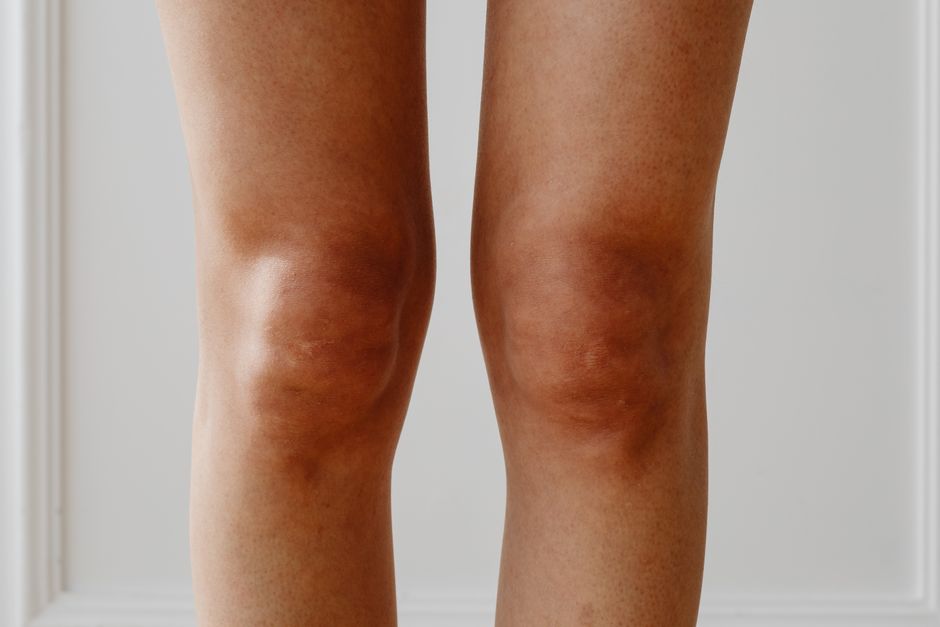
Spots on the legs are common, and most are harmless, but figuring out what they are is the first step to treating them. The right treatment depends entirely on the type of spot, which can range from razor bumps and ingrown hairs to keratosis pilaris, insect bites, or more serious conditions like varicose veins or skin infections. You can get rid of many leg spots with simple home care, but some require a doctor’s attention, so identifying the cause matters more than any single cream or remedy.
What Are the Most Common Types of Spots on Legs?
Leg spots fall into a few main categories. Knowing which one you have changes the treatment plan completely. The most common types include small red or brown bumps from shaving, rough patches on the upper arms and thighs, and flat or raised discolored areas.
Keratosis pilaris is a very common condition. It looks like tiny, rough bumps, often on the backs of the thighs and upper arms. It happens when keratin builds up and blocks hair follicles. It is not harmful, but it can be stubborn to treat.
Ingrown hairs and razor burn appear after shaving or waxing. They look like small red bumps, sometimes with a visible hair trapped under the skin. These are temporary and usually clear up on their own.
Petechiae are tiny flat red or purple dots that do not blanch when pressed. These are small broken blood vessels. They can appear from injury or straining, but if they spread or come with other symptoms, they need medical evaluation.
Hyperpigmentation shows up as flat brown or dark patches. This can result from old scars, sun damage, or a condition called acanthosis nigricans, which is linked to insulin resistance.
Venous stasis changes appear as brown or reddish discoloration around the ankles and lower legs. This happens when veins have trouble returning blood to the heart. It is worth taking seriously because it can progress to skin breakdown and ulcers.
How To Get Rid Of Spots On Legs Types And Treatments: A Practical Guide
The treatment for leg spots hinges on the diagnosis. A cream that helps one type of spot can make another worse. For example, moisturizing helps keratosis pilaris, but it will do nothing for a bacterial infection.
For keratosis pilaris, the most effective approach is consistent exfoliation and moisturizing. Lotions containing lactic acid, salicylic acid, or urea help soften the keratin plugs. These are available over the counter. Results take several weeks of daily use. Prescription-strength retinoids can help when over-the-counter options fail, but they can be irritating.
For ingrown hairs, stop shaving or waxing for a few weeks to let the hair grow out. When you resume, shave in the direction of hair growth and use a sharp single-blade razor. Warm compresses can help bring the hair to the surface. Do not dig at the bump with tweezers, as this raises the risk of infection and scarring.
For razor burn, switch to a fragrance-free shaving cream and replace your razor frequently. A dull blade pulls at the skin and causes more irritation. Applying a cool compress after shaving can reduce redness.
For flat brown spots from sun damage or old scars, treatments are less straightforward. Topical lightening agents like hydroquinone or over-the-counter options with vitamin C or niacinamide may help fade discoloration over months. Laser therapy performed by a dermatologist is another option, but it is not guaranteed and can be expensive.
For petechiae, there is no topical treatment. The spots fade as the blood is reabsorbed, which usually takes one to two weeks. If you keep getting new petechiae without a clear cause, see a doctor. This can signal a platelet problem or another blood disorder.
When Should You See a Doctor About Leg Spots?
Most leg spots are cosmetic and do not require medical treatment. But some signs point to something more serious. You should see a doctor if a spot is changing in size, shape, or color, especially if it looks like an evolving mole. The ABCDE rule for melanoma applies here: asymmetry, irregular border, multiple colors, diameter larger than a pencil eraser, and evolution over time.
Seek medical care promptly if you have leg spots accompanied by swelling, warmth, pain, or fever. These can signal a skin infection like cellulitis, which requires antibiotics. Redness spreading from a single spot is a red flag.
Brown discoloration around the ankles with swelling and aching legs may indicate chronic venous insufficiency. This condition is common and treatable, but it does not resolve on its own. Compression stockings and leg elevation are the first-line treatments. Left untreated, it can lead to venous ulcers.
If spots are itchy, painful, weeping, or crusting, see a doctor. Eczema, contact dermatitis, and fungal infections on the legs all need specific treatments. Using the wrong over-the-counter product can delay healing.





What Home Remedies Actually Work for Leg Spots?
Some home care genuinely helps, and some is a waste of time. The evidence is strongest for simple lifestyle changes that address the root cause.
Moisturizing immediately after a shower locks in water and improves the skin barrier. For keratosis pilaris, this is a proven first step. Use a thick cream or ointment, not a lightweight lotion.
Gentle physical exfoliation with a washcloth or a mild scrub can help smooth rough patches. Avoid aggressive scrubbing, which damages the skin and worsens inflammation. Chemical exfoliants like glycolic acid and salicylic acid are better studied than physical scrubs for keratosis pilaris.
Warm compresses help bring ingrown hairs to the surface. Apply for ten minutes a few times a day. This is a safe, effective home treatment.
For dark spots, sun protection is the most important step. Sun exposure darkens hyperpigmentation and makes it harder to treat. Use a broad-spectrum sunscreen on your legs if they are exposed. Many people skip sunscreen below the waist, but the legs get significant sun exposure.
There is no evidence that lemon juice, toothpaste, or apple cider vinegar treats leg spots. These can cause chemical burns and skin irritation. Avoid them.
Are There Medical Treatments for Stubborn Leg Spots?
When home care is not enough, dermatologists have stronger options. The choice depends on the spot type.
For keratosis pilaris, prescription retinoids like tretinoin can help, but they take months to work and can cause dryness and peeling. Laser treatments are used in some clinics, but evidence of long-term benefit is limited.
For hyperpigmentation, prescription hydroquinone at higher concentrations is a standard treatment. It works by slowing melanin production. It should be used under medical supervision because prolonged use can cause ochronosis, a bluish darkening of the skin, in some people.
For vascular spots like spider veins, sclerotherapy is a common procedure. A doctor injects a solution into the vein, causing it to collapse and fade. This is well established and effective for cosmetic improvement, but new veins can form over time.
For raised lesions like skin tags or seborrheic keratoses, removal is usually done by freezing, cutting, or cautery. These are benign growths, and removal is cosmetic. Medicare and some insurance plans do not cover removal of benign lesions, so check your coverage.
For suspicious moles, a biopsy is the only way to know if a spot is cancerous. Do not let anyone freeze, burn, or laser a mole without a biopsy first. This is a critical safety point.
How Long Does It Take for Leg Spots to Fade?
Timelines vary widely by spot type. Razor burn usually settles in a few days. Ingrown hairs can take one to two weeks to resolve. Keratosis pilaris responds to treatment over weeks to months, but it often comes back when you stop treatment.
Hyperpigmentation is slower. Fading takes at least eight to twelve weeks with consistent treatment and sun protection. Some dark spots never fully disappear, especially if they are from old scars.
Petechiae fade in one to two weeks as the blood is cleared. Spider veins treated with sclerotherapy may take several weeks to months to fully fade, and multiple sessions are often needed.
Patience is the biggest factor. Skin turns over roughly every 28 days, so any treatment that changes skin appearance will take at least a month to show visible results. Products that promise overnight results are not supported by evidence.
Can You Prevent Leg Spots from Coming Back?
Prevention is easier than treatment for most spot types. For shaving-related spots, change your razor frequently, shave with the grain, and use a moisturizing shave cream. Consider an electric razor if you are prone to razor burn.
For keratosis pilaris, daily moisturizing and regular chemical exfoliation keep the bumps at bay. Consistency matters more than intensity. Missing a few days is fine, but stopping entirely allows the bumps to return.
For hyperpigmentation, daily sunscreen on the legs is the single most effective prevention. This is an often-overlooked step because people associate sunscreen with the face and shoulders.
For venous stasis changes, keeping the legs elevated when resting and wearing compression stockings if recommended by a doctor can slow progression. Maintaining a healthy weight and staying physically active also support vein health.
There is no way to prevent all leg spots. Genetics play a large role in keratosis pilaris and vein problems. But the steps above reduce the frequency and severity of the most common types.
Frequently Asked Questions
What are the small red bumps on my legs after shaving?
These are usually razor burn or ingrown hairs caused by the razor blade irritating the skin or hair curling back into the follicle. Switching to a sharp, single-blade razor and shaving in the direction of hair growth reduces both.
Can keratosis pilaris on legs be cured?
No cure exists, but it can be managed effectively with daily moisturizers containing lactic acid, salicylic acid, or urea. The bumps typically return if treatment is stopped.
Are dark spots on legs a sign of a serious condition?
Dark spots are often from sun damage or old scars, but brown discoloration around the ankles with swelling can signal vein problems. See a doctor if the spots are changing, spreading, or accompanied by pain or swelling.
When should I worry about a spot on my leg?
Worry if a spot changes in size, shape, or color, bleeds, or does not heal. A spot that is asymmetric, has irregular borders, or contains multiple colors should be checked by a dermatologist promptly.
