
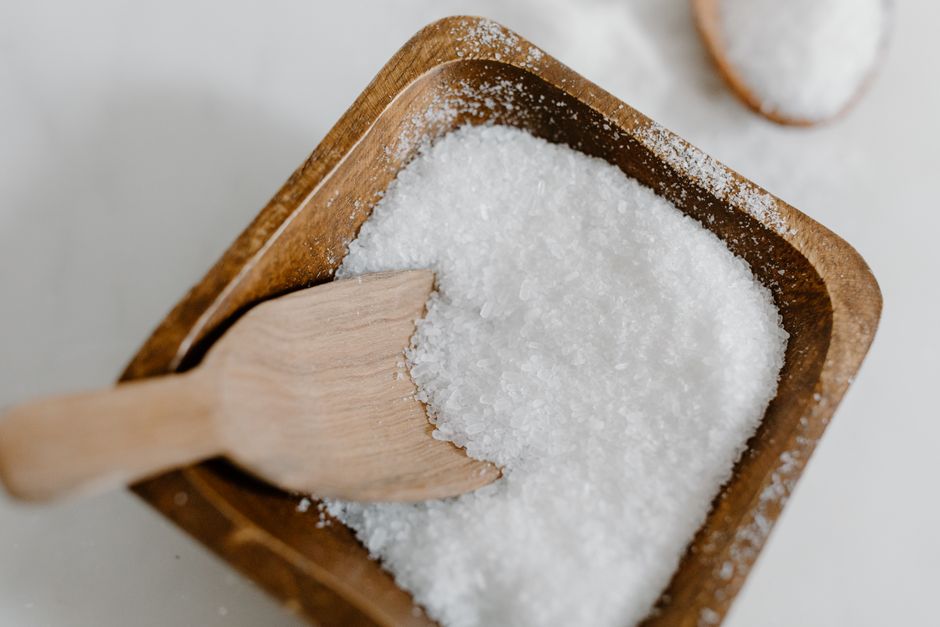
If you have ever gagged down a glass of warm salt water because someone swore it would settle your stomach, you are not alone. That advice has been passed around kitchens and locker rooms for generations. The honest answer is that salt water does not treat stomach pain, and depending on how it is made and why your stomach hurts, it can make things worse. Plain water is almost always the better choice.
There is one narrow exception. A specific medical solution of salt, sugar, and water — not a homemade pinch in a glass — is used to treat dehydration from diarrhea. That is a different thing entirely from drinking salt water for a stomachache.
What Happens When You Drink Salt Water?
Salt water is a solution of sodium chloride dissolved in water. When you swallow it, the salt does not magically calm your gut. It pulls water toward it through a process called osmosis.
Your body works hard to keep the fluid inside your cells and the fluid outside them in balance. That balance depends heavily on sodium. When a strong salt solution hits your stomach and small intestine, water moves from your tissues into your gut to dilute the salt. This can increase the volume of fluid in your intestines.
For some people, that extra fluid triggers nausea and loose stools. In large enough amounts, salty water acts as a laxative. This is not a subtle effect — it is the same principle behind certain medical bowel preparations.
Drinking a small amount of mildly salty water is unlikely to harm a healthy adult. But “unlikely to harm” is not the same as “helps.”
Does Salt Water Help With Stomach Pain Or Hurt It?
Salt water does not relieve stomach pain. There is no established mechanism by which salt water soothes the stomach, and no clinical evidence that it treats common causes of stomach pain such as indigestion, gas, or a mild stomach bug.
What it can do is irritate. Concentrated salt water may trigger vomiting, which is your body’s way of expelling something it does not want. If you are already nauseated, drinking salty water can push you over the edge.
There is one important distinction worth understanding. The medical rehydration drink known as oral rehydration solution (ORS) does contain salt. But it also contains carefully measured sugar and water in specific proportions. The sugar is not there for flavor — it helps your intestine absorb sodium and, along with it, water. This is a genuine, well-established treatment for dehydration from diarrhea. It is not the same as stirring table salt into a glass of water at home.
Homemade salt water lacks that balance. Too much salt and too little sugar can worsen dehydration rather than correct it.
Why Do People Think Salt Water Settles the Stomach?
The idea likely comes from a few places, and it is worth untangling them.
- Confusion with oral rehydration solution, which is a real medical treatment.
- Confusion with salt water gargles, which some evidence suggests can ease a sore throat — a completely different part of the body.
- Old folk remedies that predate modern understanding of how the gut absorbs fluid.
- The general belief that “cleansing” the stomach helps, which is not supported by evidence.
A salt water gargle and a salt water drink are not the same thing. What helps your throat does not automatically help your stomach. The two are often lumped together in casual advice.
There is also a persistent myth that salt water “kills bacteria” in the gut. Your stomach already produces strong acid that handles most microbes. Drinking salt water does not sterilize your digestive tract, and it does not treat a bacterial infection. If you have a genuine bacterial infection causing stomach pain, that requires medical evaluation, not a home remedy.





When Salt Water Is Actually Dangerous
For most healthy adults, a sip of mildly salty water is not an emergency. But there are real situations where drinking salt water is risky.
Drinking seawater is genuinely dangerous. Seawater is far saltier than your body can handle. It can pull water out of your cells and lead to serious dehydration, and in severe cases, seizures and brain injury. This is well documented in survival medicine and is not a gray area.
Downing large amounts of concentrated salt water on purpose — sometimes done as a “cleanse” or a dare — has caused serious harm, including dangerously high sodium levels in the blood. This is a medical emergency.
People with certain conditions should be especially cautious. If you have heart failure, kidney disease, or high blood pressure, your body may already struggle to manage sodium. Adding a salty drink works against you. If a doctor has told you to limit sodium, salt water is the last thing you need.
Infants and young children are at higher risk from any fluid or electrolyte imbalance. No clinical guidelines support giving salt water to children for stomach pain, and it should not be done.
What Actually Helps a Stomachache?
What helps depends on why your stomach hurts, which is why a single home remedy rarely fits every case.
For mild indigestion or an upset stomach, plain water in small sips is a reasonable starting point. So is resting and avoiding heavy, greasy, or spicy food until you feel better. Ginger has some evidence behind it for nausea, though results vary.
If you are vomiting or have diarrhea, the priority is replacing fluids and electrolytes. That is where oral rehydration solution earns its place. You can buy it at most pharmacies, and it is also available as a powder to mix with clean water. For children and older adults, dehydration can become serious quickly, so this is worth taking seriously.
Some stomach pain is not a minor issue. Seek medical care if you have:
- Severe or worsening pain
- Pain that is constant and localized to one spot
- Blood in your vomit or stool
- A fever along with the pain
- Signs of dehydration, such as dizziness, dark urine, or a dry mouth
- Pain that started suddenly and is intense
These signs can point to conditions that need prompt treatment, and no home remedy is a substitute for being evaluated.
Is Salt Water Ever the Right Choice?
Yes, in one specific form. Oral rehydration solution is a legitimate, evidence-based treatment for dehydration caused by diarrhea, and it has saved millions of lives worldwide. The World Health Organization has long promoted it as a standard treatment.
But notice what that solution is. It is not just salt and water. It is a precise mix of salt, sugar, and water designed so your body can absorb it. Getting the ratio wrong can make dehydration worse.
This is why homemade “salt water” is not a substitute. If you or someone in your care is dehydrated from diarrhea, use a proper oral rehydration solution rather than guessing at a recipe. For infants and young children, follow medical guidance rather than a home mix.
Outside of that specific use, salt water has no established role in treating stomach pain. It is not a remedy. In some cases, it is a risk.
Frequently Asked Questions
Does salt water help with stomach pain?
No. Salt water does not relieve stomach pain, and there is no clinical evidence that it treats common causes like indigestion or a mild stomach bug.
Can drinking salt water make stomach pain worse?
Yes. Concentrated salt water can irritate the stomach, trigger nausea or vomiting, and act as a laxative, which can make you feel worse rather than better.
Is salt water the same as oral rehydration solution?
No. Oral rehydration solution contains carefully measured salt, sugar, and water, and the sugar helps your body absorb the fluid. Homemade salt water lacks that balance and can worsen dehydration.
When should I see a doctor for stomach pain?
Seek care if the pain is severe, constant, or worsening, or if you have blood in your vomit or stool, a fever, or signs of dehydration such as dizziness or dark urine.
