
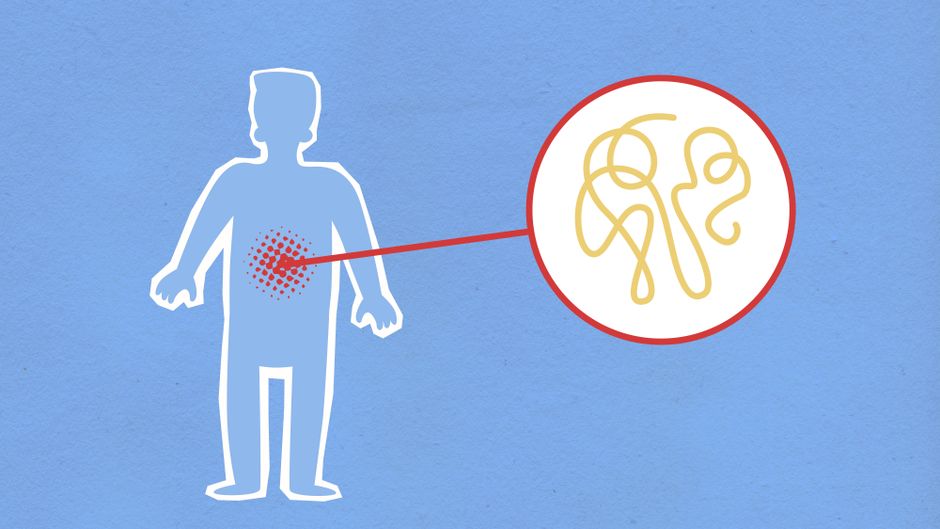
Yes, digestive problems can cause back pain. The connection is real, though it often goes unrecognized. Your digestive organs share nerve pathways with your back, and when those organs are irritated, inflamed, or distended, the brain can interpret the signal as back pain. This is known as referred pain, and it explains why a stomach issue can feel like a spine issue.
How the Gut Communicates with the Back
The clearest explanation lies in your nervous system. The organs in your abdomen—the stomach, pancreas, gallbladder, and intestines—are connected to your spinal cord through shared nerve roots. The same spinal segments that receive signals from these organs also receive signals from the muscles and skin of your back.
When a digestive organ sends a distress signal, the spinal cord can get confused. It may project the pain to the back even though the actual problem is in the abdomen. This is called referred pain, and it is a well-documented medical phenomenon.
Another factor is inflammation. When digestive tissue is inflamed, it can irritate the diaphragm or the lining of the abdominal cavity. That irritation can travel upward and be felt as pain in the mid or upper back. Gas and bloating can also push against the diaphragm, creating pressure that feels like a dull ache in the back.
Which Digestive Conditions Are Linked to Back Pain
Several specific digestive conditions are known to cause back pain. Knowing which ones can help you recognize when your back pain might actually be a gut problem.
- Pancreatitis. Inflammation of the pancreas often causes pain that radiates straight through to the middle or upper back. The pain is typically constant and can be severe. It may worsen after eating.
- Gallbladder disease. Gallstones or gallbladder inflammation can cause pain in the upper right abdomen that radiates to the right shoulder blade or between the shoulder blades.
- Peptic ulcers. An ulcer in the stomach or duodenum can cause a burning pain that may be felt in the upper back, especially when the ulcer has penetrated deeper into surrounding tissue.
- Irritable bowel syndrome (IBS). IBS can cause bloating and gas that distends the colon. That distension can trigger referred pain in the lower back.
- Constipation. A backed-up colon can press on the lower spine and surrounding structures. Severe constipation can cause significant lower back discomfort.
- Gastroesophageal reflux disease (GERD). While GERD usually causes heartburn, severe reflux can cause chest and upper back discomfort, particularly at night.
These conditions are different in how they feel. Pancreatitis pain is often deep and unrelenting. Gallbladder pain tends to come in waves. Constipation pain is usually a dull ache that improves after a bowel movement. Paying attention to the pattern can offer clues, but it cannot replace a medical evaluation.
When the Pain Is Not What It Seems
Referred pain works in both directions. Just as digestive problems can cause back pain, back problems can cause digestive symptoms. This overlap makes self-diagnosis unreliable.
For example, a herniated disc in the thoracic spine can compress nerves that affect the abdominal organs. Some people with spinal issues report bloating, nausea, or changes in bowel habits. The two systems are so intertwined that doctors sometimes need to run tests on both to find the source of the problem.
This is why location matters. Pain from a digestive issue is rarely isolated to the back alone. It usually comes with other symptoms like nausea, vomiting, fever, changes in bowel habits, or pain in the abdomen itself. If your back pain appears with no other digestive symptoms, the cause is more likely musculoskeletal.





Red Flags That Require Immediate Medical Attention
Some combinations of back pain and digestive symptoms require urgent care. Do not wait to see if they resolve on their own.
- Sudden, severe back or abdominal pain that does not fade
- Pain accompanied by a fever
- Vomiting that will not stop
- Blood in your stool or vomit
- Yellowing of your skin or the whites of your eyes
- Difficulty breathing or chest tightness
These symptoms can indicate a perforated ulcer, a gallbladder infection, a kidney stone, or even a heart attack. The emergency department is the right place for these. Do not assume it is just gas or a pulled muscle.
How to Tell If Your Back Pain Is Digestive
There are patterns that suggest a digestive origin. If your back pain consistently appears after meals, it may be digestive. If it improves after passing gas or having a bowel movement, that is another clue. If it wakes you from sleep or comes with nausea, take note.
Timing is useful. Gallbladder pain often strikes within an hour of a fatty meal. Ulcer pain may improve or worsen with eating, depending on the location of the ulcer. Pancreatitis pain often gets worse after eating anything at all.
Try keeping a simple diary for a week. Write down when the pain starts, what you ate beforehand, and what makes it better or worse. This information is genuinely valuable to a doctor. It can help narrow the list of possible causes faster than a description of the pain alone.
What a Doctor Will Check
If your doctor suspects a digestive cause for your back pain, the evaluation typically starts with blood tests. These can check for signs of inflammation, infection, or pancreatic and liver enzyme abnormalities.
Imaging is often next. An ultrasound can look at the gallbladder and pancreas. A CT scan provides a more detailed view of the abdominal organs. An endoscopy allows a doctor to look directly at the stomach and duodenum for ulcers.
If these tests come back normal, your doctor may consider functional conditions like IBS. These are diagnosed based on symptom patterns after other conditions have been ruled out. There is no single test for IBS, which can make the process feel slow. But arriving at the right diagnosis matters more than speed.
Can Digestive Problems Cause Back Pain: Treatment Approaches
Treatment depends entirely on the underlying condition. There is no universal fix for digestive-related back pain.
For constipation, increasing water and fiber intake often helps. Gentle physical activity can stimulate bowel function. Over-the-counter laxatives are appropriate for short-term use, but they should not become a daily habit without medical supervision.
For GERD, dietary changes and acid-reducing medications are the mainstays. Eating smaller meals, avoiding late-night snacks, and elevating the head of the bed can all reduce reflux episodes.
For ulcers, treatment usually involves antibiotics if H. pylori bacteria are present, along with acid-suppressing medication. Once the ulcer heals, the back pain typically resolves.
For pancreatitis or gallbladder disease, treatment can range from intravenous fluids and pain management to surgery. Gallbladder removal is one of the most common surgical procedures in the United States, and most people recover well.
Physical therapy and stretching can help if you also have muscular back pain. But if the root cause is digestive, treating the spine alone will not solve the problem. The pain will keep returning until the digestive issue is addressed.
When the Evidence Is Unclear
Some connections between digestion and back pain are well established. Pancreatitis and gallbladder disease are clear examples. Others are more speculative.
For instance, some claim that “leaky gut” or intestinal permeability causes chronic back pain. No large human trials have confirmed this. The concept is biologically plausible in theory, but the evidence does not support it as a proven cause of back pain.
Similarly, some claim that food sensitivities cause back pain through systemic inflammation. Some small studies suggest a link, but the evidence is not strong enough to make broad recommendations. If you suspect a food sensitivity, tracking your symptoms and discussing them with a doctor is a reasonable approach. Eliminating entire food groups without medical guidance is not.
Frequently Asked Questions
Can gas and bloating cause back pain?
Yes. Gas can distend the intestines and push against the diaphragm, creating pressure that is felt as a dull ache in the back. The pain usually resolves once the gas passes.
How long does digestive back pain last?
It depends on the cause. Gas-related pain may last minutes to hours, while pain from pancreatitis or gallbladder disease can persist for days. If pain lasts more than a few days, see a doctor.
Does back pain from digestion get worse after eating?
Often yes. Gallbladder pain typically worsens within an hour of a fatty meal, and pancreatitis pain can worsen after any meal. If your back pain is consistently tied to eating, mention that to your doctor.
