
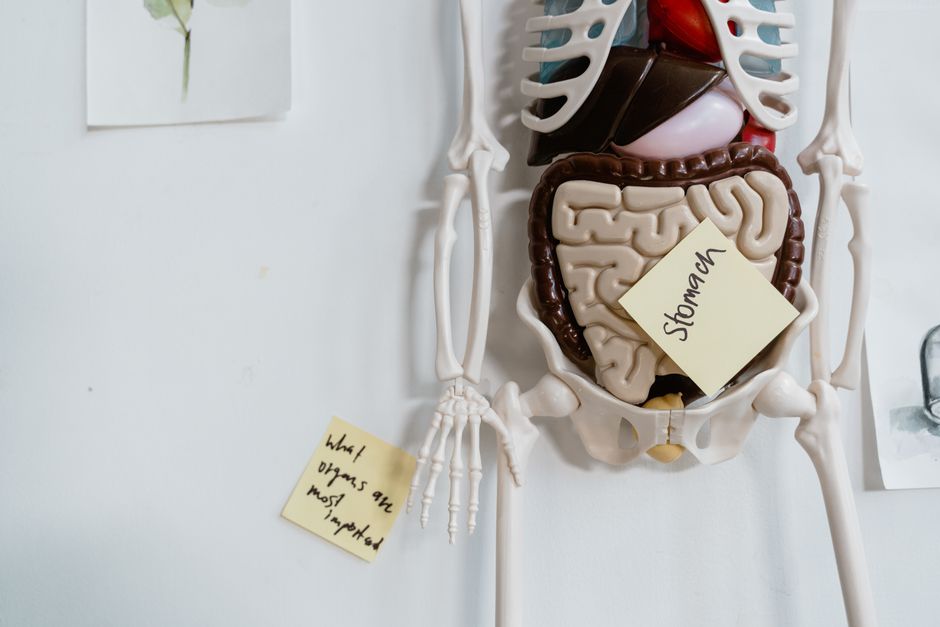
A pulled stomach muscle can cause pain that feels like a digestive problem, but it does not change how your stomach or intestines actually work. The injury is in the abdominal wall muscle, not in your internal organs. However, the pain can be severe enough to mimic conditions like gas, bloating, or even an ulcer. Understanding the difference matters because the treatment for a muscle strain is completely different from treatment for a digestive issue.
What Exactly Is a Pulled Stomach Muscle?
A pulled stomach muscle is a strain or tear in one of the muscles of your abdominal wall. These muscles include the rectus abdominis (the “six-pack” muscle), the obliques on your sides, and the transverse abdominis that wraps around your core. These muscles help you bend, twist, and protect your internal organs.
Strains happen when the muscle fibers stretch beyond their normal limit or tear partially. This most often occurs during sudden twisting movements, heavy lifting, intense core workouts, or even from repeated coughing or sneezing. The pain is usually sharp at the moment of injury and then becomes a dull ache that worsens with movement.
The key point is that these muscles sit outside your abdominal cavity. They do not touch your stomach, intestines, liver, or any other digestive organ. A strain here is a soft tissue injury, not an organ problem.
Can a Pulled Stomach Muscle Cause Digestive Problems?
No, a pulled stomach muscle cannot directly cause digestive problems. The injury does not slow digestion, change stomach acid production, or alter how your intestines absorb nutrients. Your digestive system will keep working normally even with a strained abdominal muscle.
What a pulled muscle can do is create pain that feels like a digestive issue. The abdominal wall and the digestive organs share the same nerve pathways. When those nerves send pain signals, your brain cannot always tell exactly where the problem is coming from. This is called referred pain, and it is why a muscle strain can feel like gas cramps or stomach pain.
Some people also develop temporary changes in appetite or bowel habits because of the pain. If it hurts to move, you might eat less or avoid certain foods. Pain can also cause mild nausea in some people. These are responses to pain, not actual digestive dysfunction.
How to Tell the Difference Between Muscle Pain and Digestive Pain
Distinguishing between a muscle strain and a digestive issue comes down to a few specific clues. The location, the triggers, and the nature of the pain all help you tell them apart.
Muscle strain pain typically has these features:
- Sharp pain at the time of injury or after a specific activity
- Tenderness when you press directly on the area
- Pain that worsens with movement, twisting, coughing, or sneezing
- Bruising or swelling in the area in some cases
- Pain that improves with rest and gentle stretching
Digestive pain usually behaves differently:
- Pain that comes and goes in waves or cramps
- Pain that changes after eating or drinking
- Pain accompanied by nausea, vomiting, diarrhea, or constipation
- Pain that does not worsen with movement
- Pain that improves after passing gas or having a bowel movement
If pressing on the painful spot makes it worse, that points toward a muscle issue. If pressing does not change the pain and it feels deeper inside, that points toward an organ issue.





When Digestive Symptoms Are Not From the Muscle
Sometimes people assume a pulled muscle is causing their digestive symptoms when the real problem is something else. This can delay proper treatment, so it is worth being careful.
Several digestive conditions cause abdominal pain that can be confused with a muscle strain. A hernia, for example, happens when internal tissue pushes through a weak spot in the abdominal wall. It can cause a visible bulge and pain with lifting or straining. Gallbladder issues cause pain in the upper right abdomen that can radiate to the back or shoulder. Appendicitis starts near the belly button and moves to the lower right side. Ulcers cause burning pain that worsens with an empty stomach.
If your pain is severe, lasts more than a few days, or comes with fever, vomiting, blood in your stool, or unexplained weight loss, see a doctor. These symptoms are not from a muscle strain and need medical evaluation.
One important warning sign is pain that gets steadily worse over hours. Muscle strains typically improve or stay the same; they do not escalate. Progressive worsening of abdominal pain can signal a serious condition like appendicitis, a bowel obstruction, or gallbladder inflammation.
How a Pulled Stomach Muscle Is Treated
Treatment for a pulled abdominal muscle focuses on reducing pain and allowing the tissue to heal. Most strains recover fully with conservative care.
For the first 48 to 72 hours, rest is the main treatment. Avoid activities that strain the core, including heavy lifting, sit-ups, and twisting movements. Ice applied to the area for 15 to 20 minutes several times a day can help reduce pain and swelling. Over-the-counter pain relievers like ibuprofen or acetaminophen can help with discomfort, but follow the dosing instructions on the package and check with a pharmacist or doctor if you have medical conditions or take other medications.
After the initial few days, gentle movement can help. Light walking and slow stretching promote blood flow and prevent stiffness. A physical therapist can teach you specific exercises to strengthen the core safely as you recover. Full recovery from a mild strain takes one to two weeks. A more severe strain can take four to six weeks or longer.
Can Digestive Problems Cause Abdominal Muscle Pain?
Yes, the reverse is possible. Digestive issues can cause pain that feels like it is in your muscles, even when the muscles themselves are fine.
Conditions like irritable bowel syndrome (IBS), constipation, gas, and inflammatory bowel disease can cause cramping and pressure that radiates through the abdominal wall. The pain can be intense and make the muscles feel sore or tight. In some cases, people develop actual muscle tension because they unconsciously guard or tense the area in response to organ pain.
Severe vomiting or coughing from a digestive illness can also strain the abdominal muscles. Repeated forceful contractions of the abdominal wall during vomiting can cause a muscle strain on top of the original digestive problem. This is why people sometimes throw up and then have sore abdominal muscles for days afterward.
If you have both muscle pain and digestive symptoms, it is worth considering whether one is causing the other. A detailed history of when the pain started and what makes it better or worse helps a doctor sort this out.
When to See a Doctor
Most pulled stomach muscles heal on their own, but some situations require medical attention. You should see a doctor if you have any of the following:
- Pain that does not improve after a few days of rest
- Pain that is severe or getting worse
- A visible bulge in the abdominal wall
- Fever, chills, or vomiting
- Blood in your stool or vomit
- Difficulty urinating or passing stool
- Pain that wakes you from sleep
- Pain during pregnancy or after an injury from a fall or accident
A doctor can perform a physical exam and may order imaging like an ultrasound or CT scan if they suspect something other than a muscle strain. Blood tests can check for signs of infection or organ problems. Getting the right diagnosis early prevents complications and gets you on the right treatment path faster.
Preventing Abdominal Muscle Strains
You can reduce your risk of pulling a stomach muscle with a few simple habits. Warming up before exercise is important, especially before activities that involve twisting or lifting. A proper warm-up increases blood flow to the muscles and makes them more pliable.
Strengthening your core gradually helps too. If you are new to core exercises, start with basic moves and progress slowly. Sudden increases in intensity or duration are a common cause of strains. Pay attention to your form during exercises and daily activities. When lifting heavy objects, bend at your knees and use your legs rather than your back and abdomen.
Staying hydrated and maintaining overall fitness also help. Dehydrated muscles are more prone to injury. Strong, conditioned muscles handle stress better than weak ones. If you have a chronic cough from allergies or another condition, treating it can reduce the repeated strain on your abdominal muscles.
Frequently Asked Questions
How long does a pulled stomach muscle take to heal?
A mild strain usually heals in one to two weeks with rest and gentle movement. A more severe strain can take four to six weeks or longer.
Can a pulled stomach muscle cause nausea?
Pain from a muscle strain can cause mild nausea in some people, but it is not a direct digestive effect. If nausea is severe or comes with vomiting, see a doctor.
Should I see a doctor for a pulled stomach muscle?
See a doctor if the pain is severe, gets worse, lasts more than a few days, or comes with fever, vomiting, or a visible bulge. Most mild strains heal without medical treatment.
Can I exercise with a pulled stomach muscle?
Avoid core exercises and heavy lifting for the first few days after injury. Light walking is usually fine, but return to full exercise gradually as pain allows.
