
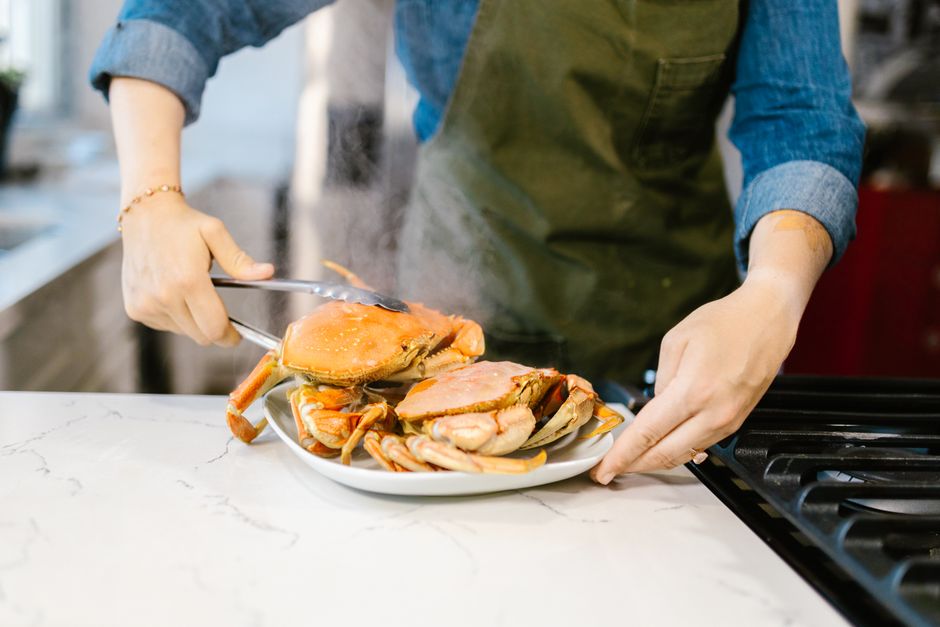
If you are pregnant and wondering about crab, the short answer is yes, cooked crab is safe to eat. The longer answer involves understanding which seafood is high in mercury and which is not. Crab is a low-mercury seafood, which puts it in the safer category for pregnancy, but how it is prepared and how much you eat still matters.
Is Crab Safe During Pregnancy Mercury Risks?
Crab is safe to eat during pregnancy when it is fully cooked and eaten in moderate amounts. The FDA and EPA place crab on their “Best Choices” list for seafood, which includes fish and shellfish that are low in mercury.
Mercury is the main concern with seafood during pregnancy. High mercury levels can harm a developing baby’s nervous system. But not all seafood has the same mercury levels. Crab is naturally low in mercury, which makes it a reasonable choice for pregnant women who want the nutritional benefits of seafood without the high mercury exposure.
The key distinction is between low-mercury and high-mercury seafood. Shark, swordfish, king mackerel, and tilefish are high in mercury and should be avoided during pregnancy. Crab, shrimp, salmon, and canned light tuna are low in mercury and are generally considered safe.
What Are the Nutritional Benefits of Crab During Pregnancy?
Crab provides several nutrients that are important during pregnancy. It is a good source of high-quality protein, which supports the growth of fetal tissues and organs. Protein needs increase during pregnancy, and seafood like crab can help meet those needs.
Crab also contains omega-3 fatty acids, particularly DHA. DHA plays a role in fetal brain and eye development. While fish like salmon have higher omega-3 levels, crab still contributes to your overall intake.
Other nutrients in crab include vitamin B12, zinc, and selenium. Vitamin B12 supports red blood cell formation and neurological function. Zinc is involved in cell growth and DNA synthesis, both of which are critical during pregnancy. Selenium acts as an antioxidant and supports thyroid function.
One caution about crab is its sodium content. Crab meat, especially if it is canned or processed, can be high in sodium. If you have pregnancy-related high blood pressure or preeclampsia, you may need to watch your sodium intake. Fresh or frozen crab prepared at home typically has less sodium than canned or restaurant versions.
How Much Crab Can You Eat While Pregnant?
The FDA and EPA recommend that pregnant women eat 8 to 12 ounces of low-mercury seafood per week. That is roughly two to three servings. Crab fits into this recommendation.
This recommendation includes all low-mercury seafood combined, not just crab. If you eat crab one week, that counts toward your total seafood intake for that week. You do not need to eat crab every week, but you also do not need to avoid it.
Eating more than the recommended amount occasionally is unlikely to cause harm, but consistency matters. The concern with mercury is cumulative exposure over time. Sticking to the recommended weekly amount keeps your mercury exposure low.
There is no specific limit for crab alone. The guidelines apply to your total weekly seafood intake. A typical serving of crab is about 3 ounces of meat, which is roughly the size of your palm.





Is Imitation Crab Safe During Pregnancy?
Imitation crab is a different product from real crab. It is made from surimi, which is a paste of white fish like pollock, mixed with starch, egg whites, sugar, and crab flavoring. It is a processed food, not a whole seafood product.
Imitation crab is generally safe to eat during pregnancy if it is handled and stored properly. The base fish, pollock, is low in mercury. However, imitation crab is highly processed and contains additives that you may want to limit during pregnancy.
The main concern with imitation crab is not mercury. It is sodium and additives. Imitation crab can be quite high in sodium, which matters if you are watching your blood pressure. It also contains less protein and fewer omega-3s than real crab, so it does not provide the same nutritional benefits.
If you choose imitation crab, treat it like any other processed food. Eat it in moderation and check the nutrition label for sodium content. It is not a substitute for real crab nutritionally, but it is not dangerous during pregnancy.
What About Raw Crab and Crab Prepared in Sushi?
Raw crab is not safe during pregnancy. This includes raw crab in sushi, ceviche, or any other preparation where the crab is not cooked. Raw seafood can carry bacteria, viruses, and parasites that can cause foodborne illness.
Pregnancy weakens the immune system, making it harder to fight off infections. A foodborne illness like listeria or salmonella can be more severe during pregnancy and can potentially harm the baby. This is why health experts recommend that pregnant women avoid all raw and undercooked seafood.
Japanese restaurants often pasteurize crab before using it in sushi, but you cannot always know how the crab was handled. If you are at a sushi restaurant and want crab, ask whether the crab is fully cooked. Many rolls contain cooked crab, such as California rolls, which are safe if the crab is cooked.
At home, make sure crab is cooked to an internal temperature of 145°F. The meat should be opaque and flaky. If you are reheating leftover crab, heat it until it is steaming hot throughout.
Can You Eat Crab While Breastfeeding?
Yes, crab is safe to eat while breastfeeding. The mercury guidelines for breastfeeding are similar to those for pregnancy. Low-mercury seafood like crab can be part of a healthy breastfeeding diet.
Mercury does pass into breast milk, but the amount from low-mercury seafood is minimal. The benefits of omega-3s and protein in seafood generally outweigh the risks when you stick to low-mercury options.
Some babies can be sensitive to proteins in shellfish. If you notice your baby seems fussy, gassy, or develops a rash after you eat crab, talk to your pediatrician. True shellfish allergies in breastfed infants are rare, but they do occur.
How to Choose and Prepare Crab Safely
Buying crab from a reputable source is the first step. Fresh crab should smell like the ocean, not fishy or sour. If you buy live crabs, they should be alive and active. Dead crabs can spoil quickly and may contain bacteria.
Cooked crab meat from the store should be refrigerated and eaten within a few days. Check the sell-by date and follow storage instructions on the package. When in doubt, throw it out.
Wash your hands before and after handling raw crab. Use separate cutting boards and utensils for raw seafood and other foods to avoid cross-contamination. Clean all surfaces that touched raw crab with hot soapy water.
Canned crab is a convenient option, but it is often higher in sodium. Rinsing canned crab under cold water can help reduce some of the sodium. Check the label to see if the crab is pasteurized, which means it is safe to eat without additional cooking.
When to Avoid Crab During Pregnancy
There are a few situations where you should avoid crab during pregnancy. If you have a known shellfish allergy, you should not eat crab at any time, pregnant or not. Allergic reactions can be severe and can affect both you and your baby.
If you have a condition that requires you to limit sodium, such as gestational hypertension or preeclampsia, talk to your doctor before eating crab. The sodium content in crab, especially processed crab, may be a concern.
If you are unsure about the source or freshness of the crab, skip it. Foodborne illness is not worth the risk during pregnancy. When you are pregnant, it is better to be cautious with seafood you cannot verify.
Frequently Asked Questions
Can I eat crab legs while pregnant?
Yes, cooked crab legs are safe during pregnancy. Make sure the meat is fully cooked and served hot.
Is crab meat high in mercury?
No, crab is a low-mercury seafood. It is on the FDA’s “Best Choices” list for pregnant women.
Can I eat crab cakes while pregnant?
Yes, if the crab cakes are made with cooked crab and cooked thoroughly. Check that the center is hot before eating.
Is canned crab safe during pregnancy?
Yes, canned crab is safe if it is pasteurized. Rinse it to reduce sodium if you are watching your salt intake.
