
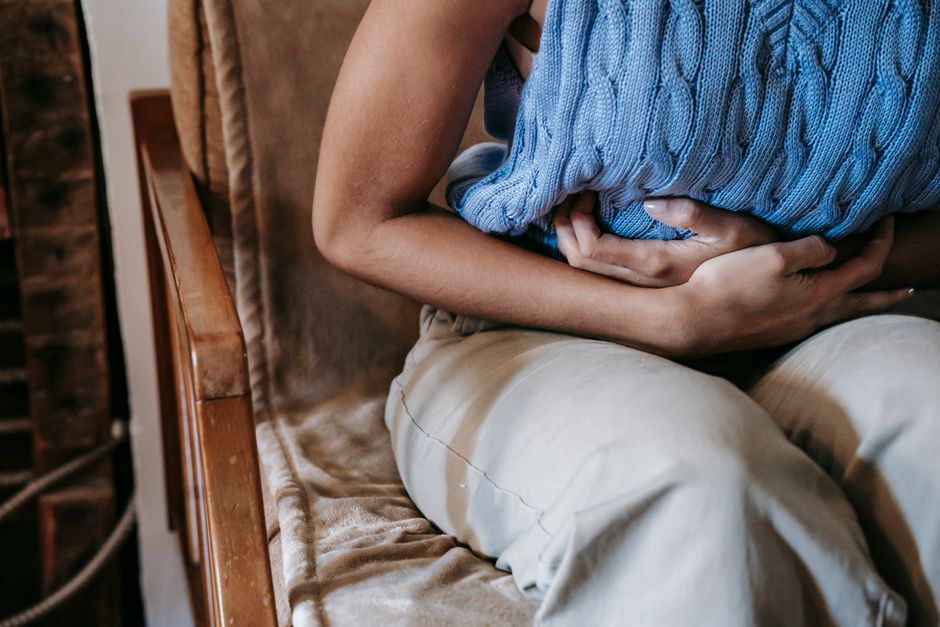
Yes, dehydration can cause stomach cramps. When your body loses more fluid than it takes in, it disrupts the balance of electrolytes your muscles need to function properly. This imbalance can trigger painful spasms in the muscles of your digestive tract, just as it can cause cramps in your arms or legs. The connection between fluid levels and muscle function is well established, and your gut is no exception.
How Dehydration Triggers Stomach Cramps
Your digestive tract is lined with smooth muscle. These muscles contract and relax in a wave-like pattern to move food through your system. This process is called peristalsis. Like all muscles, these need the right balance of water and electrolytes — mainly sodium, potassium, calcium, and magnesium — to contract and relax normally.
When you are dehydrated, your blood volume drops. This reduces blood flow to your digestive organs. With less blood flow, your gut muscles receive less oxygen. The result is that the normal rhythm of contractions can become irregular. Instead of smooth, coordinated waves, you get sudden, forceful spasms. Those spasms are what you feel as cramps.
Electrolyte imbalance plays a direct role here too. Sodium and potassium are critical for nerve signaling in muscle tissue. When their levels drop, your nerves may fire erratically. This causes muscles to contract when they should be relaxing. In the gut, this produces sharp, cramping pain.
Other Digestive Symptoms of Dehydration
Stomach cramps rarely happen alone. Dehydration often produces a cluster of digestive symptoms that can be confused with other conditions.
Nausea is common. Reduced blood flow to the gut slows digestion, which can leave you feeling queasy. Constipation is another frequent symptom. Your colon normally reabsorbs water from waste material. When you are dehydrated, it pulls too much water out, leaving stool hard and difficult to pass. This can cause cramping as your intestines work harder to move the dry stool along.
Some people also experience bloating. When digestion slows, gas builds up in the intestines. The combination of trapped gas and irregular muscle contractions can create a sensation of fullness and pressure along with the cramping.
If you are dehydrated, you may also notice that your urine is dark yellow or amber. You might feel dizzy when standing, have a dry mouth, or experience a headache. These signs, alongside stomach cramps, strongly point to dehydration as the cause.
How Long Do Dehydration Cramps Last?
The duration of dehydration-related cramps depends on how quickly you rehydrate. Mild cramps often ease within 30 to 60 minutes of drinking fluids. More severe dehydration may take several hours to resolve, especially if you have also lost electrolytes through sweating, vomiting, or diarrhea.
It is important to drink slowly. Gulping down a large volume of water at once can stretch your stomach and trigger more cramping. Sip small amounts frequently instead. For mild dehydration, water is usually enough. For moderate dehydration — such as after intense exercise or a bout of stomach flu — a drink containing electrolytes may be more effective.
If cramps persist for more than a few hours despite rehydration, they may have another cause. Do not assume dehydration is the only explanation if symptoms do not improve with fluid intake.





When Stomach Cramps Are Not from Dehydration
Stomach cramps have many causes. It is important to consider other possibilities, especially if rehydration does not relieve your symptoms.
Foodborne illness is a common cause. Bacteria like Salmonella or E. coli, or viruses like norovirus, can cause cramping, nausea, and diarrhea. These infections often come with fever, which dehydration does not cause on its own.
Irritable bowel syndrome (IBS) is another possibility. This chronic condition causes recurring abdominal pain and changes in bowel habits. IBS cramps are often triggered by certain foods, stress, or hormonal changes — not fluid balance.
Other conditions that can cause stomach cramps include:
- Gas and bloating from indigestible carbohydrates
- Lactose intolerance
- Celiac disease
- Gallstones
- Peptic ulcers
- Kidney stones
- In women, menstrual cramps or ovarian cysts
If your cramps are severe, come on suddenly, or are accompanied by a high fever, vomiting blood, or black stools, seek medical attention. These are not typical signs of dehydration.
How to Prevent Dehydration-Related Cramps
Prevention is straightforward: maintain adequate fluid intake throughout the day. The amount you need depends on your body size, activity level, and climate. A general guideline is to drink when you are thirsty and to increase intake during exercise or hot weather.
Thirst is not always a reliable early indicator, especially in older adults. The sensation of thirst diminishes with age. If you are over 60, you may need to make a conscious effort to drink regularly even when you do not feel thirsty.
Foods with high water content also contribute to hydration. Fruits like watermelon, oranges, and strawberries are mostly water. Soups and broths count too. Electrolyte-rich foods like bananas, potatoes, and leafy greens help maintain the mineral balance your muscles need.
Alcohol and caffeine both have mild diuretic effects. This does not mean you must avoid them entirely, but they should not be your primary fluids. For every alcoholic or caffeinated drink, consider having a glass of water as well.
Best Drinks for Rehydrating After Cramps
Water is the baseline. For most cases of mild dehydration, plain water is sufficient to relieve cramps.
Oral rehydration solutions are more effective when you have lost significant electrolytes. These are not the same as sports drinks. Oral rehydration solutions contain a specific balance of glucose and sodium that helps your intestines absorb water more efficiently. They are available at most pharmacies and are the standard recommendation for dehydration from diarrhea or vomiting.
Sports drinks can help after intense exercise. They provide carbohydrates and electrolytes, though many contain significant sugar. If you are not exercising heavily, they are not necessary and may add unnecessary calories.
Coconut water is a natural source of potassium. Some research suggests it can be as effective as commercial sports drinks for mild rehydration. However, it is low in sodium, so it is not ideal for replacing heavy sweat losses.
Plain water remains the best choice for everyday hydration. If your cramps are mild and you have no other symptoms, water should resolve them within an hour.
Can Dehydration Cause Stomach Cramps in Children and Older Adults?
These two groups are at higher risk for dehydration and its complications.
Children have higher water requirements relative to their body size. Their kidneys are less efficient at concentrating urine, so they lose more water. They also depend on adults to offer them fluids. A child with stomach cramps who has not been drinking enough may be dehydrated. Watch for a dry diaper for six hours or more, no tears when crying, and a sunken soft spot on the top of the head in infants. These are signs of significant dehydration requiring prompt medical attention.
Older adults are also vulnerable. As mentioned, the thirst mechanism weakens with age. Kidney function also declines, making it harder to conserve water. Many older adults take medications that increase fluid loss, such as diuretics for blood pressure. For them, stomach cramps may be an early sign of dehydration that could progress to confusion or falls if not corrected.
In both groups, if stomach cramps are accompanied by lethargy, confusion, or an inability to keep fluids down, seek medical care promptly.
When to See a Doctor
Most dehydration-related stomach cramps resolve with fluid intake. You should see a doctor if cramps are severe, last longer than a few hours despite rehydration, or come with warning signs.
Seek emergency care if you experience:
- Inability to keep fluids down for more than 12 hours
- Blood in vomit or stool
- High fever above 101°F
- Severe abdominal pain that makes it hard to stand upright
- Confusion or disorientation
- Rapid heartbeat or rapid breathing
- No urination for eight hours or more
These symptoms may indicate a more serious condition that requires evaluation. Dehydration is treatable, but it is not the only possible cause of abdominal pain.
Frequently Asked Questions
Can dehydration cause stomach cramps at night?
Yes, dehydration can cause stomach cramps at night. If you have not consumed enough fluids during the day, your body may become dehydrated while you sleep, and the resulting electrolyte imbalance can trigger cramping.
How much water should I drink to stop dehydration cramps?
There is no single dose that works for everyone, but sipping 4 to 8 ounces of water every 15 to 20 minutes for the first hour is a reasonable starting point. If cramps persist after drinking a few glasses, another cause may be responsible.
Can dehydration cause cramps even if I drink enough water?
Yes, if you lose excessive electrolytes through heavy sweating, vomiting, or diarrhea, water alone may not correct the imbalance. In these cases, an oral rehydration solution or electrolyte drink is more effective.
Does dehydration cause gas and bloating too?
Yes, dehydration can slow digestion, which allows gas to build up in the intestines. This can produce bloating and discomfort alongside stomach cramps.
