
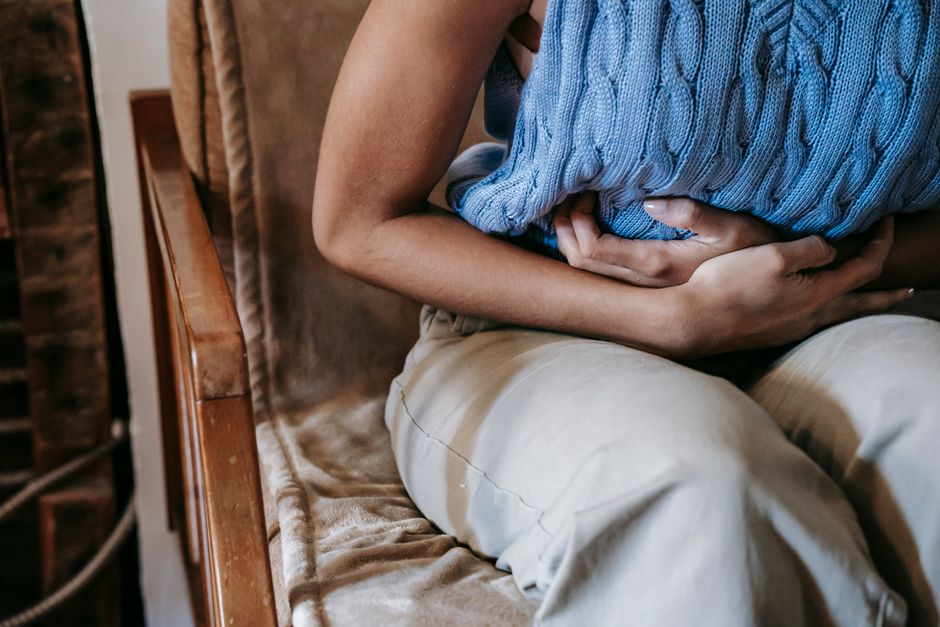
Stomach cramps are a common problem, and the right treatment depends entirely on what is causing them. For mild, short-lived cramps with no other symptoms, over-the-counter options like simethicone for gas or antacids for indigestion are reasonable first choices. If the cramps are part of a diarrhea illness, loperamide can help, and a heating pad often provides simple relief for muscle spasms. However, if the pain is severe, lasts more than a couple of days, or comes with fever, vomiting, or blood, you need to see a doctor instead of treating it at home.
What Causes Sudden Stomach Cramps?
Stomach cramps are a symptom, not a disease. The cause drives the treatment. Knowing what you are dealing with is the first step to choosing something that will actually help.
The most common causes are harmless and temporary. Gas trapped in the intestines stretches the walls and causes sharp, moving pains. Indigestion after a heavy meal can cause a dull ache. Viral gastroenteritis, often called the stomach flu, causes cramping along with diarrhea and vomiting. Constipation creates pressure and spasms as the bowel tries to move hard stool.
Muscle spasms in the intestinal wall itself are a major source of cramps. The gut moves food along with rhythmic contractions. When those contractions become irregular or too strong, you feel it as a cramp. This is why treatments that relax smooth muscle, like some antispasmodic medications, can help with certain types of pain.
Less common causes include food intolerances like lactose intolerance, irritable bowel syndrome, and in women, menstrual cramps. More serious causes like appendicitis, gallstones, or an intestinal blockage produce pain that typically gets worse and does not respond to home treatment. If you are unsure what is causing your cramps, do not guess. Get medical advice.
What Can You Take For Stomach Cramps?
For mild cramps with no warning signs, several over-the-counter options can help. The key is matching the medicine to the likely cause.
Simethicone helps with gas pain. It works by breaking up gas bubbles in the digestive tract so they can pass more easily. It does not stop cramps from other causes. It is generally safe and has few side effects.
Antacids neutralize stomach acid and help with indigestion or heartburn-related discomfort. They work best when the pain is high in the abdomen and linked to eating. They will not help with cramps lower in the gut.
Loperamide slows down bowel movements and is used for diarrhea. If cramps come with loose stools, this can reduce both the frequency and the discomfort. Do not use it if you have a fever or blood in your stool. Those signs point to a bacterial infection, and stopping the diarrhea can make it worse.
Bismuth subsalicylate is another option for diarrhea and mild stomach upset. It reduces inflammation in the gut lining and may help with cramps associated with traveler’s diarrhea. It can turn your tongue and stool dark, which is harmless.
Antispasmodic medications like dicyclomine are available by prescription. They relax the smooth muscle of the intestine and are used for conditions like irritable bowel syndrome. They are not appropriate for occasional cramps without a diagnosis.
If your cramps are mild and you are not sure what caused them, starting with simethicone or an antacid is a reasonable approach. If the pain is not better within a few hours, or if it gets worse, stop guessing and contact a healthcare provider.
When Should You Use a Heating Pad Instead of Medication?
Heat therapy is a drug-free option that works well for certain types of abdominal pain. It relaxes the muscles of the abdominal wall, which can ease cramping sensations.
A heating pad or warm compress is most helpful when the pain feels like a muscle spasm rather than a sharp or burning pain. Many people find it comforting for menstrual cramps, mild gas pain, or the cramping that comes with diarrhea. It is safe for most people when used on a low or medium setting for 15 to 20 minutes at a time.
Do not use heat if the area is already inflamed or if you have a fever. Heat can increase blood flow, which can make an active infection worse. If the pain is sharp and constant rather than crampy, skip the heating pad and get medical attention.
Heat does not treat the underlying cause. It only manages the symptom. If cramps keep coming back, you need to find out why rather than relying on heat alone.





What Should You Eat and Drink When You Have Cramps?
Diet matters during a bout of stomach cramps, especially if diarrhea or vomiting is involved. The goal is to avoid making things worse.
Start with clear liquids. Water is fine. Broth and oral rehydration solutions help replace electrolytes if you have been losing fluids through diarrhea or vomiting. Avoid dairy, caffeine, alcohol, and sugary drinks. These can stimulate the gut and worsen cramps.
When you feel ready for solid food, start bland. Plain toast, crackers, rice, bananas, and applesauce are gentle on the digestive system. Eat small amounts and see how your body responds. Do not force food if you still feel nauseated.
For constipation-related cramps, the opposite approach may help. Increasing fiber and water intake can relieve the underlying problem. However, adding too much fiber too quickly can cause more gas and cramping. Increase gradually.
There is no single diet that fixes all stomach cramps. The right food depends on whether your gut is moving too fast, too slow, or is just irritated.
When Are Stomach Cramps an Emergency?
Most stomach cramps resolve on their own or with simple home care. Some do not. Knowing when to seek emergency care can prevent a serious situation from getting worse.
Seek immediate medical attention if your cramps are severe enough to double you over, if the pain is constant and worsening rather than coming in waves, or if your abdomen is hard and tender to the touch. These can be signs of appendicitis, gallstones, pancreatitis, or a bowel obstruction.
Go to an emergency room if cramps come with any of these warning signs:
- Fever over 101°F
- Blood in your stool or vomit
- Persistent vomiting, especially if you cannot keep fluids down
- Yellowing of your skin or eyes
- Difficulty breathing
- Severe pain that lasts more than a few hours
If you are pregnant and have abdominal pain, contact your obstetrician or go to the emergency room. Abdominal pain during pregnancy needs professional evaluation, not home treatment.
For older adults, abdominal pain can present differently. The pain may be less intense even with a serious condition. If an older person has unexplained abdominal pain, do not wait to see if it passes. Get medical advice.
Why Do Some Stomach Cramps Keep Coming Back?
Recurrent stomach cramps are different from a one-time episode. If you get cramps regularly, the cause is likely a chronic condition rather than something you ate.
Irritable bowel syndrome is one of the most common causes of recurrent cramping. It is a disorder of gut-brain interaction. The bowel looks normal on tests, but it functions abnormally. Cramps often improve after a bowel movement. There is no cure, but diet changes, stress management, and sometimes prescription medications can help manage symptoms.
Food intolerances can cause repeated cramping if you regularly eat something your body cannot digest properly. Lactose intolerance is the most common. Gluten sensitivity and fructose malabsorption are other possibilities. Keeping a food diary can help you identify patterns.
Inflammatory bowel disease, including Crohn’s disease and ulcerative colitis, causes inflammation in the digestive tract. Cramps are a common symptom, along with diarrhea, weight loss, and fatigue. This condition requires medical diagnosis and treatment. It is not something to manage on your own.
If you have cramps more than once a week for several weeks, see a doctor. Repeated symptoms deserve a workup, not repeated self-treatment.
What About Natural Remedies for Stomach Cramps?
People often turn to natural remedies for stomach cramps. Some have evidence behind them. Many do not.
Peppermint oil has the strongest evidence of any natural remedy for intestinal cramping. Research shows it can reduce spasms in the digestive tract, and it is sometimes used for irritable bowel syndrome. Enteric-coated capsules deliver the oil to the intestine where it works. Chewing mint leaves or drinking mint tea is much weaker and unlikely to have a significant effect.
Ginger is well studied for nausea, less so for cramps. It can settle an upset stomach and may help with mild discomfort. Ginger tea or chews are safe for most people.
Chamomile tea is traditionally used for digestive complaints. Some small studies suggest it may help relax the digestive tract, but the evidence is not strong. It is safe to drink and may provide mild relief through warmth and relaxation.
Be cautious with herbal supplements. They are not regulated like medications, and some can interact with prescription drugs. No clinical evidence currently confirms that most herbal products relieve stomach cramps. If you choose to try one, tell your doctor, especially if you take other medications.
Frequently Asked Questions
What is the fastest way to relieve stomach cramps?
Simethicone works quickly for gas-related cramps, and a heating pad can relax muscle spasms within minutes. For diarrhea-related cramps, loperamide can provide relief within an hour.
Can I take pain relievers like ibuprofen for stomach cramps?
Ibuprofen and other NSAIDs can irritate the stomach lining and make cramps worse, so they are usually not recommended. Acetaminophen is gentler on the stomach but does not treat the underlying cause of cramping.
How long should stomach cramps last before seeing a doctor?
See a doctor if cramps last more than two days, keep getting worse, or come with fever, vomiting, or blood. Mild cramps that resolve within a few hours are usually not a concern.
Is it safe to take antacids for stomach cramps?
Antacids are safe for short-term use when cramps are linked to indigestion or heartburn. They will not help cramps from gas, diarrhea, or muscle spasms lower in the digestive tract.
