
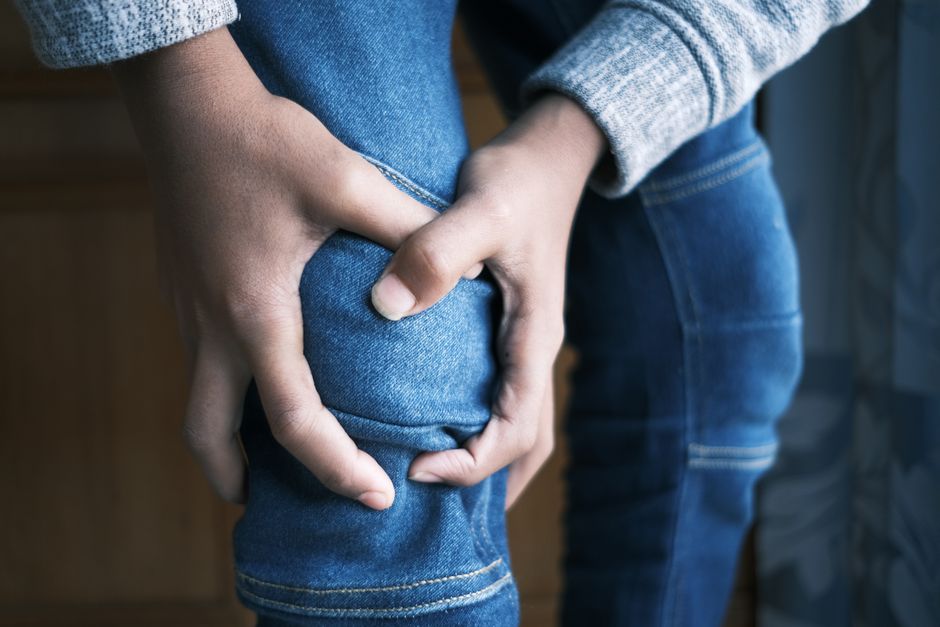
Your hands can ache for a dozen reasons. Dehydration is rarely the first one doctors look for. But there is a real physiological link between low body water and joint discomfort, and it is worth understanding what that link does and does not mean.
Dehydration does not directly cause arthritis, and it is not a recognized cause of chronic hand pain. What it can do is make an already irritated joint feel worse. Cartilage depends on water to stay cushioned and smooth. When your body is low on fluid, that cushioning can suffer, and pain you already have may feel sharper.
What Happens to Joints When You Are Dehydrated?
Cartilage is roughly 70 to 80 percent water by weight. That water is not just sitting there. It is bound inside a mesh of proteins called collagen and large molecules called proteoglycans, which together give cartilage its spongy, shock-absorbing quality.
When you press down on a joint, water squeezes out of the cartilage. When you release the pressure, water flows back in. This constant exchange is how cartilage feeds itself, because cartilage has no blood supply of its own. It relies on fluid movement to bring in nutrients and carry away waste.
When your overall body water drops, the fluid available for this exchange drops too. The cartilage does not necessarily deflate like a tire. But it loses some of its ability to buffer load, and the joint environment becomes less efficient at clearing inflammatory byproducts.
That is the mechanism. It is well established in cartilage biology. What is much less established is how much day-to-day dehydration actually contributes to hand pain in otherwise healthy people. The honest answer is that we do not have strong clinical trials measuring that directly.
Why Hands May Feel It More Than Other Joints
Hands are not more sensitive to dehydration than knees or hips in any proven way. But they are packed with small joints, and small joints have less cartilage volume to work with.
The fingers contain the metacarpophalangeal joints at the knuckles, the proximal interphalangeal joints in the middle of each finger, and the distal interphalangeal joints near the fingertips. Each one is small. Each one relies on the same fluid-dependent cartilage mechanics.
Hands are also the most used part of the body. You grip, twist, type, and lift all day. If cartilage cushioning is even slightly compromised, you are more likely to notice it in the joints doing the most repetitive work.
Cold weather adds another layer. In cold conditions, blood vessels in the fingers constrict. Less blood flow means less fluid delivery to the joint area. This is one reason many people with hand arthritis report worse symptoms in winter. Dehydration and cold can stack on top of each other.
Can Dehydration Cause Joint Pain in Hands on Its Own?
No. Dehydration alone is not known to produce joint pain in otherwise healthy hands.
If you are mildly dehydrated and your hands ache, something else is usually going on. Dehydration may be making that something else feel worse, but it is unlikely to be the root cause.
Conditions that commonly cause hand joint pain include:
- Osteoarthritis, the wear-and-tear form that becomes more common with age
- Rheumatoid arthritis, an autoimmune condition that often starts in the small joints of the hands
- Psoriatic arthritis, linked to the skin condition psoriasis
- Gout, which can affect the hands though it more often strikes the big toe
- Carpal tunnel syndrome, which causes pain and numbness in the wrist and hand
- Trigger finger, a tendon problem that causes catching or locking
- Old injuries that never fully healed
None of these are caused by not drinking enough water. But several of them involve inflammation, and inflammation is sensitive to hydration status.





The Inflammation Connection
Chronic dehydration is associated with higher levels of inflammatory markers in the blood. Some research suggests that even mild dehydration can raise circulating markers like C-reactive protein and other cytokines.
This does not mean dehydration causes inflammatory disease. It means the two travel together, and the relationship likely runs in both directions. People with chronic inflammatory conditions may also drink less fluid, sleep poorly, and take medications that affect hydration.
For someone with an inflamed hand joint, this matters. An already irritated joint sitting in a more inflammatory environment may hurt more. That is a reasonable inference from what we know about inflammation biology, but it has not been confirmed in large human trials looking specifically at hand pain and hydration.
Be cautious of anyone who tells you that drinking more water will cure your arthritis. No study has confirmed that. Hydration is supportive, not curative.
How Much Water Do You Actually Need?
The National Academies of Sciences, Engineering, and Medicine set general fluid intake recommendations for healthy adults. These are total fluids from all sources, including food and other drinks.
| Group | Total Daily Fluid |
|---|---|
| Adult men | About 3.7 liters (125 ounces) |
| Adult women | About 2.7 liters (91 ounces) |
These are general targets for healthy people in temperate climates. They are not minimums you must hit every day, and they are not tailored to individual medical conditions.
Needs rise with heat, exercise, illness, pregnancy, and breastfeeding. Needs may need to be restricted in heart failure, kidney disease, and some liver conditions. If you have any of those, follow your doctor’s guidance rather than a general number.
Urine color is a practical check. Pale yellow suggests you are adequately hydrated. Dark amber suggests you are not. This is a well-established clinical observation, not a precise measurement.
Signs Your Hand Pain Is Not About Hydration
Some symptoms point clearly away from dehydration and toward something that needs medical attention.
- Joint swelling, warmth, or redness
- Morning stiffness lasting more than an hour
- Pain that is worse at rest and better with movement
- Symmetrical pain in the same joints on both hands
- Numbness, tingling, or weakness
- Fever, rash, or unexplained weight loss alongside joint pain
These are red flags for inflammatory or structural conditions. Drinking more water will not fix them, and waiting to see if it does can delay treatment that works better when started early.
Rheumatoid arthritis, in particular, benefits from early diagnosis and treatment. Permanent joint damage can begin within the first year or two of symptoms. If your hands are stiff, swollen, and painful in a pattern that has lasted more than a few weeks, see a doctor.
What Actually Helps Hand Joint Pain
Hydration is one small piece. It supports cartilage function and helps maintain a less inflammatory internal environment. It is not a treatment.
For hand joint pain, the approaches with the strongest evidence include:
- Physical therapy to maintain grip strength and joint mobility
- Topical NSAIDs like diclofenac gel for osteoarthritis of the hands
- Oral NSAIDs for short-term flare management, with attention to stomach, kidney, and heart risks
- Disease-modifying drugs for rheumatoid and psoriatic arthritis, prescribed by a rheumatologist
- Heat or cold therapy for symptom relief, though evidence for these is modest
- Joint protection techniques, such as using larger grips and avoiding tight pinching
Glucosamine and chondroitin are widely sold for joint pain. The evidence for them is mixed, and major trials have not shown consistent benefit for hand osteoarthritis. Some people report improvement. That may be real for them, but it is not supported by strong clinical evidence overall.
Curcumin, omega-3 fatty acids, and other anti-inflammatory supplements have some supporting research, mostly in small studies. None of them replace medical treatment for inflammatory arthritis.
Practical Steps If You Think Dehydration Is Playing a Role
If your hands ache and you suspect hydration is a factor, there is no harm in testing that. Drink consistently through the day rather than in large amounts at once. Include water-rich foods like fruits and vegetables. Watch your urine color.
Give it a week or two. If your hands feel meaningfully better, hydration may have been contributing. If nothing changes, that is useful information too. It means the cause is likely elsewhere.
Do not use hydration as a reason to delay evaluation. Hand pain that persists, worsens, or comes with swelling or stiffness deserves a medical workup. The earlier a treatable condition is identified, the more options you have.
Frequently Asked Questions
Can dehydration cause joint pain in hands?
Dehydration alone is not known to cause joint pain in healthy hands. It can make existing joint pain feel worse by reducing cartilage cushioning and promoting a more inflammatory internal environment.
How do I know if my hand pain is from dehydration or arthritis?
Arthritis typically causes swelling, warmth, and morning stiffness lasting more than an hour, while dehydration-related discomfort usually improves with fluids and rest. If you have swelling or prolonged stiffness, see a doctor.
Does drinking more water help arthritis in the hands?
Staying well hydrated supports overall joint function, but no clinical evidence confirms that drinking more water treats or reverses arthritis. It is supportive, not curative.
What are the first signs of dehydration?
Early signs include thirst, dark yellow urine, dry mouth, fatigue, and reduced urination. More severe dehydration can cause dizziness, rapid heartbeat, and confusion, which needs medical attention.
