
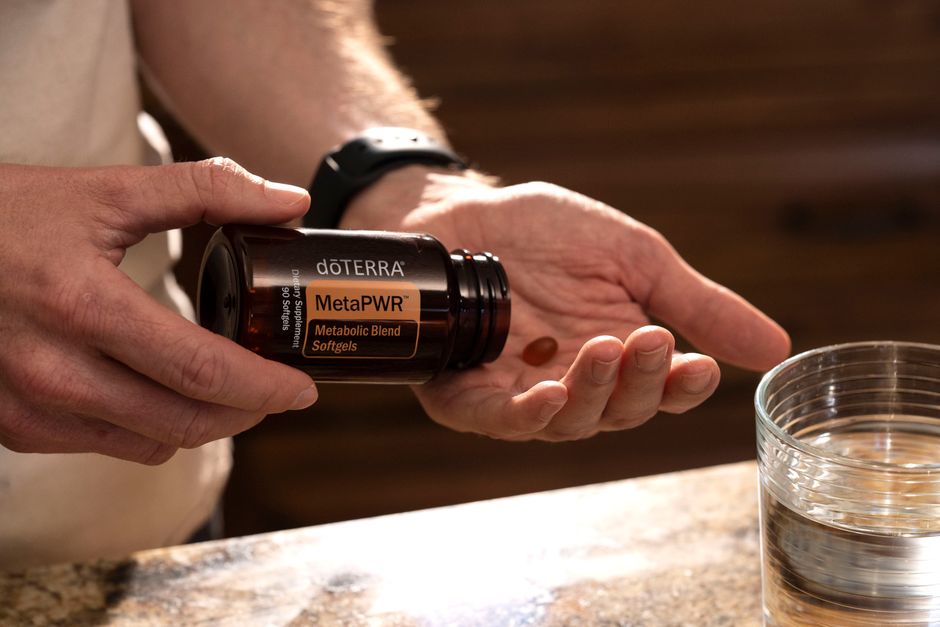
Creatine is one of the most studied supplements in sports nutrition, and yes, it does influence metabolism—but not in the way most people expect. It does not act like a fat-burning supplement or a thermogenic stimulant. Instead, creatine boosts metabolism indirectly through its effects on muscle energy production, exercise performance, and body composition. The effect is real, but it is modest and requires context to understand properly.
What Does Creatine Actually Do in the Body?
Creatine is a natural compound made from three amino acids: arginine, glycine, and methionine. Your body produces about 1 to 2 grams per day, and you also get it from animal foods like red meat and seafood. About 95 percent of the body’s creatine is stored in skeletal muscle.
Inside muscle cells, creatine exists in a form called phosphocreatine. This molecule acts as a rapid reserve for ATP, the body’s primary energy currency. During short, intense efforts—like sprinting or heavy lifting—ATP gets used up in seconds. Phosphocreatine donates a phosphate group to quickly regenerate ATP. This allows you to push harder and recover faster between bursts of effort.
This mechanism matters for metabolism because muscle is metabolically active tissue. More work capacity means more calories burned during exercise. But the metabolic story goes beyond the workout itself.
Does Creatine Boost Metabolism Directly or Indirectly?
Creatine does not directly increase your resting metabolic rate the way caffeine does. It does not raise your body temperature or stimulate fat oxidation on its own. The metabolic boost is indirect and happens through several distinct pathways.
First, creatine allows you to train harder. When you can complete more repetitions or lift heavier weights, you burn more calories during the session. This is the most straightforward mechanism.
Second, more intense training leads to greater muscle growth over time. Muscle tissue burns more calories at rest than fat tissue. A kilogram of muscle uses roughly 13 calories per day at rest, compared to about 4.5 calories for a kilogram of fat. This difference is real but often overstated in marketing claims.
Third, creatine supplementation increases water retention inside muscle cells. This is not a metabolic effect, but it does explain the rapid weight gain some people notice in the first week of use. This water is stored intracellularly, which actually contributes to muscle fullness and can support training adaptations.
Can Creatine Help With Weight Loss?
The evidence does not support creatine as a weight loss supplement. Studies consistently show that creatine does not directly reduce body fat. Some research even shows a slight increase in total body weight due to water retention.
However, creatine can support body composition changes when combined with resistance training. The mechanism is indirect: better training performance leads to greater muscle preservation or gain. When you are in a calorie deficit, maintaining muscle mass is critical because it keeps your metabolic rate from dropping too much. Some research suggests that creatine combined with resistance training helps preserve lean mass during weight loss phases.
The practical takeaway is clear. Creatine is not a fat burner. It is a performance aid that can indirectly support body composition goals when paired with proper training and nutrition.


What Does the Research Show About Creatine and Metabolism?
Research published in the Journal of the International Society of Sports Nutrition has consistently found that creatine monohydrate improves strength, power, and lean body mass in healthy adults. These effects are well established across dozens of randomized controlled trials.
Some studies have examined creatine’s effect on resting metabolic rate directly. The findings are modest at best. A small number of studies suggest a slight increase in resting energy expenditure, likely due to increased lean mass rather than a direct thermogenic effect. The effect size is small and not clinically meaningful for weight management on its own.
One area of emerging research involves creatine and glucose metabolism. Some studies suggest that creatine supplementation may improve glucose tolerance, particularly in individuals who are sedentary or have elevated blood sugar. The mechanism may involve increased GLUT4 translocation, which helps muscle cells take up glucose from the blood. This is promising but not yet conclusive enough for clinical recommendations.
How Much Creatine Should You Take?
The standard dosing protocol for creatine monohydrate is well established. A loading phase of 20 grams per day, divided into four 5-gram doses, for 5 to 7 days, followed by a maintenance dose of 3 to 5 grams per day. Some people skip the loading phase and simply take 3 to 5 grams daily, which achieves full muscle saturation in about 3 to 4 weeks instead of 1 week.
Timing does not appear to be critical. Taking creatine at any time of day is effective, though some research suggests that taking it near your workout may provide slightly better results. This difference is small and likely does not matter for most people.
Creatine monohydrate is the most studied form and the one recommended by clinical guidelines. Other forms like creatine ethyl ester or buffered creatine have not shown superior benefits in controlled trials, despite marketing claims.
Are There Any Risks or Side Effects?
Creatine monohydrate is one of the safest supplements available when taken at recommended doses. Decades of research have not found significant adverse effects in healthy individuals. The most common side effect is water retention, which is generally harmless.
Some people report stomach discomfort, particularly when taking large loading doses. This can often be avoided by splitting doses or taking creatine with food. There is no evidence that creatine damages the kidneys or liver in healthy people, though individuals with pre-existing kidney disease should consult a doctor before use.
One common misconception is that creatine causes cramping or dehydration. Research has not supported this. In fact, some studies suggest creatine may help with thermoregulation during exercise in hot conditions by increasing total body water.
Who Should Consider Creatine?
Creatine is most beneficial for people who perform high-intensity, short-duration exercise. This includes weightlifters, sprinters, and athletes in sports that require repeated explosive efforts. If your training involves moderate to intense resistance exercise, creatine is likely to help you get more out of each session.
For people who only do steady-state cardio like jogging or cycling at a moderate pace, creatine offers less benefit. The phosphocreatine system is not the primary energy pathway for these activities.
Older adults may also benefit. Sarcopenia, the age-related loss of muscle mass, is a major metabolic concern. Some research suggests that creatine combined with resistance training helps older adults build and maintain muscle more effectively than training alone. This can support healthy metabolism as you age.
Frequently Asked Questions
Does creatine boost metabolism directly?
No, creatine does not directly increase resting metabolic rate. It boosts metabolism indirectly by improving exercise performance, which supports muscle growth and maintenance over time.
Will creatine make me gain weight?
Some people gain 2 to 4 pounds in the first week due to water retention inside muscle cells. This is not fat gain, and it typically stabilizes after the loading phase.
Can I take creatine while cutting calories?
Yes, creatine can help preserve muscle mass during a calorie deficit when combined with resistance training. It will not directly burn fat, but it supports the training you need to maintain lean tissue.
How long does creatine take to work?
With a loading phase, effects appear within 5 to 7 days. Without loading, it takes about 3 to 4 weeks of daily 3 to 5 gram doses to reach full muscle saturation.
