

Cortisol is a stress hormone, but it does far more than that. It helps control blood sugar, regulates blood pressure, reduces inflammation, and manages your sleep-wake cycle. When people ask if cortisol can be tested, the answer is yes. Doctors use blood, urine, and saliva tests to measure cortisol levels. These tests help diagnose conditions like Cushing’s syndrome and Addison’s disease. However, testing is not as simple as one quick reading. Cortisol levels change naturally throughout the day, so timing and context matter.
How Do Doctors Test Cortisol Levels?
There are three main ways to test cortisol. Each method looks at a different window of time.
Blood tests measure the cortisol present at the exact moment the blood is drawn. This is useful for spotting very high or very low levels, but it only captures a single point in time.
Saliva tests are usually done late at night. Cortisol should be at its lowest point around midnight. A late-night saliva sample helps doctors see if your body is failing to lower cortisol when it should. This is a key sign of Cushing’s syndrome.
Urine tests collect all urine over 24 hours. This gives an average cortisol output for the whole day. It is more useful for detecting conditions where cortisol is consistently too high.
Doctors choose the test based on what they suspect. No single test tells the whole story. Often, multiple tests are needed to confirm a diagnosis.
What Is a Normal Cortisol Level?
Normal cortisol levels depend on the time of day and the type of test. Cortisol follows a daily rhythm. It peaks in the early morning, usually between 6 a.m. and 8 a.m. It drops through the day and hits its lowest point around midnight.
For a morning blood test, normal levels typically fall between 6 and 23 micrograms per deciliter. For an afternoon test, normal is lower, usually between 3 and 16 micrograms per deciliter. Late-night saliva tests should show very low levels, generally below 0.09 to 0.15 micrograms per deciliter depending on the lab.
These ranges vary slightly between laboratories. Different labs use different measurement methods. Your doctor will interpret your results based on the reference range printed on your specific lab report. Do not compare your numbers to a friend’s or an online chart. The reference range on your report is the one that matters.
Why Would a Doctor Order a Cortisol Test?
Doctors do not order cortisol tests for everyday stress. Feeling overwhelmed at work or not sleeping well is not a reason to check cortisol. The test is reserved for suspected medical conditions.
The most common reason is suspected Cushing’s syndrome. This condition occurs when the body makes too much cortisol. Symptoms include rapid weight gain in the face, chest, and abdomen, thin skin that bruises easily, purple stretch marks, and muscle weakness. High blood pressure and high blood sugar are also common.
The other major reason is suspected Addison’s disease. This is when the adrenal glands do not make enough cortisol. Symptoms include severe fatigue, unintentional weight loss, low blood pressure, darkening of the skin, and salt cravings.
Doctors may also test cortisol if a pituitary gland problem is suspected. The pituitary gland tells the adrenal glands how much cortisol to produce. A tumor in the pituitary can disrupt this signal.




Can You Test Cortisol Levels At Home?
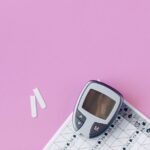
At-home cortisol tests exist. They usually involve collecting a small saliva sample and mailing it to a laboratory. Some companies also offer finger-prick blood tests for home collection.
These tests can measure cortisol accurately if the lab is certified. However, interpreting the result is the hard part. A single high or low reading does not diagnose anything. Cortisol fluctuates naturally. Stress from a bad night of sleep, a fight with a partner, or even the act of collecting the sample can skew the result.
Home tests are not a substitute for medical evaluation. If you have symptoms of a cortisol disorder, see a doctor. Do not spend money on a home test and try to interpret it yourself. The risk of misreading the result is too high. You might worry about a number that is actually normal, or you might ignore a number that warrants medical attention.
How Accurate Are Cortisol Tests?
Cortisol tests are reliable when done correctly. Blood and saliva tests are highly accurate at measuring the cortisol present in the sample. The challenge is not the laboratory measurement. The challenge is that cortisol changes so quickly.
A single blood draw can miss the problem. If cortisol is high only at certain times, one sample might catch it or might not. This is why doctors often combine tests. They may order a morning blood test, a late-night saliva test, and a 24-hour urine test together. Each piece of information builds a fuller picture.
Certain medications can interfere with cortisol test results. Birth control pills and other estrogen-containing medications can raise cortisol levels on blood tests. Some steroid medications, including inhaled steroids for asthma, can suppress natural cortisol production. Always tell your doctor about every medication you take, including over-the-counter drugs and supplements.
What Happens If Your Cortisol Test Is Abnormal?
An abnormal result does not automatically mean you have a disease. Cortisol can be temporarily high due to acute illness, surgery, severe pain, or intense exercise. It can be temporarily low due to recent steroid use or certain medications.
If a screening test comes back abnormal, doctors usually repeat it. They may also order a more specific test. One common follow-up is the dexamethasone suppression test. You take a small dose of dexamethasone, a synthetic steroid, at night. The next morning, your blood cortisol is measured. In a healthy person, the dexamethasone tells the brain to stop signaling for cortisol production, so morning cortisol stays low. In a person with Cushing’s syndrome, cortisol stays high despite the suppression.
Another follow-up is the ACTH stimulation test. This checks how well your adrenal glands respond to a signal from the pituitary. A synthetic version of ACTH is injected, and cortisol is measured afterward. If cortisol does not rise appropriately, it suggests the adrenal glands are not functioning properly.
These dynamic tests take several hours and must be done under medical supervision. They provide much more diagnostic information than a single cortisol reading.
Can a Cortisol Test Diagnose Chronic Stress?
No. This is an important point. Chronic stress from work, relationships, or lifestyle does not have a clear cortisol test that diagnoses it. Research on cortisol and chronic stress shows mixed results. Some people with chronic stress have high cortisol. Others have normal cortisol. Some have low cortisol.
The body adapts to ongoing stress in complex ways. The HPA axis, which controls cortisol release, can become dysregulated. But this dysregulation does not look the same in everyone. There is no medical consensus on what a “stressed” cortisol level is.
Commercial tests that claim to measure your “stress score” or “adrenal fatigue” are not supported by clinical evidence. Adrenal fatigue is not a recognized medical diagnosis. The concept suggests that the adrenal glands become exhausted from overwork. Endocrine societies and medical organizations have explicitly stated that this condition is not supported by scientific evidence. If you feel chronically stressed or fatigued, talk to a doctor. But do not expect a cortisol test to give you the answer.
How Should You Prepare for a Cortisol Test?
Preparation depends on the test type. For a morning blood test, you will usually need to fast overnight. For a late-night saliva test, you must avoid food, drink, and brushing your teeth for at least 30 minutes before collecting the sample.
Your doctor may ask you to avoid certain medications before the test. Do not stop any prescribed medication without talking to your doctor first. Some medications need to be tapered rather than stopped suddenly.
Try to keep your routine as normal as possible in the days before the test. Avoid intense exercise the day before. Try to get your usual amount of sleep. These factors can affect cortisol levels and make the test result harder to interpret.
Frequently Asked Questions
Can cortisol levels be tested with a simple blood draw?
Yes, a blood draw measures the cortisol in your blood at that exact moment. Because cortisol changes throughout the day, one blood draw alone is rarely enough to diagnose a condition.
Do I need to fast before a cortisol blood test?
Many doctors recommend fasting for a morning cortisol blood test, but not all do. Follow the specific instructions your doctor or the laboratory gives you.
Can stress at work cause a high cortisol test result?
Acute stress can temporarily raise cortisol, but routine work stress does not reliably cause a clinically high test result. Doctors interpret cortisol tests in the context of specific symptoms, not everyday stress.
Are at-home cortisol tests accurate?
The laboratory analysis can be accurate, but interpreting the result is difficult without medical context. A single home test result cannot diagnose a cortisol disorder and may lead to unnecessary worry or false reassurance.
