
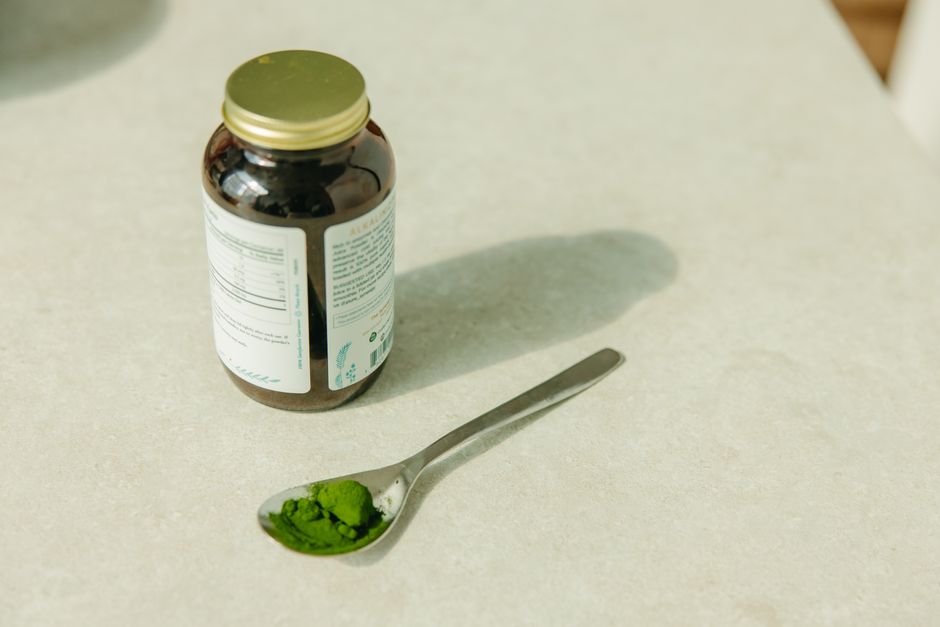
Triphala churna is a traditional Ayurvedic herbal powder made from three dried fruits: amla, bibhitaki, and haritaki. Taking it at night is one of the most common ways people use it for constipation. The standard approach is to take about half a teaspoon to one teaspoon of the powder, mix it with warm water, and drink it roughly 30 to 60 minutes before bed. Consistency matters more than the exact timing—taking it nightly for several days is often needed to see a reliable effect. While many people find it helpful, it is not a quick fix, and it works best alongside adequate water intake and dietary fiber.
What Is Triphala Churna and How Does It Work?
Triphala is one of the most widely used formulations in Ayurveda. The name means “three fruits” in Sanskrit. Each fruit contributes something different to the blend, and together they act as a gentle bowel regulator.
Haritaki is the primary laxative component. It stimulates the intestinal lining and promotes bowel movements. Bibhitaki has mild astringent and cleansing properties. Amla is rich in vitamin C and acts as a gentle tonic. The combination appears to work on both the muscle tone of the colon and the moisture content of the stool.
Unlike stimulant laxatives that force a bowel movement within hours, triphala is considered a bowel normalizer. It does not produce an urgent, cramping urge. Instead, it softens stool and supports regular evacuation over time. This is why it is often recommended for chronic or mild constipation rather than acute episodes.
How To Take Triphala Churna At Night For Constipation
For nighttime use, the most common method is to mix the powder into warm water. Warm water helps dissolve the powder and may support digestion. Some people prefer honey or ghee as a carrier, but plain warm water is the simplest and most reliable option.
Start with a small dose. Half a teaspoon is a reasonable starting point for most adults. If you tolerate it well and do not see results after three to five nights, you can increase to one teaspoon. Do not exceed one teaspoon without consulting a healthcare provider. There are no established clinical guidelines for triphala dosing, so these amounts come from traditional practice and common clinical use.
Take it 30 to 60 minutes before bed. This timing allows the herbs to begin working overnight, and many people wake up with the urge to have a bowel movement. Drink a full glass of water with it. Triphala needs adequate fluid to soften stool effectively.
For people who dislike the taste, triphala can be taken in capsule form. Capsules typically contain 500 to 1000 mg per pill. A common approach is one to two capsules at night, but again, no official dosing standard exists. If you use capsules, choose a reputable brand and follow the label instructions.
How Long Does Triphala Take To Work?
Triphala is not a fast-acting laxative. Most over-the-counter laxatives work within 6 to 12 hours. Triphala is different. Some people notice a bowel movement the next morning after their first dose, but many need several days of consistent use.
Research on triphala for constipation is limited but generally positive. Some studies suggest that regular use over two to four weeks improves stool frequency and consistency. The effect tends to build gradually rather than appearing suddenly.
If you have not had a bowel movement within three days of starting triphala, it is not working for you yet. Do not double the dose. Give it more time, or consider whether your overall fluid and fiber intake is sufficient. If you remain constipated after a week of nightly use, stop taking it and speak with a doctor.





Who Should Avoid Triphala Churna?
Triphala is generally well tolerated, but it is not for everyone. Pregnant women should not take triphala without explicit approval from their obstetrician. Some of the fruit components have mild stimulant properties that could theoretically affect the uterus. No clinical trials have established safety in pregnancy.
People with chronic diarrhea or irritable bowel syndrome with diarrhea should avoid triphala. It can worsen loose stools. People with a history of intestinal obstruction, inflammatory bowel disease, or recent abdominal surgery should also avoid it unless a doctor approves.
Triphala may interact with certain medications. Because it can affect gut motility, it may change how quickly some oral medications are absorbed. If you take prescription medications for heart conditions, blood pressure, or diabetes, talk to your pharmacist or doctor before starting triphala.
Children should not take triphala unless specifically recommended by a pediatrician. No dosing guidelines exist for pediatric use, and the evidence for safety in children is essentially absent.
What Are the Side Effects of Triphala Churna?
Most people tolerate triphala without significant side effects. The most common complaints are mild abdominal cramping, gas, or bloating during the first few days of use. These symptoms usually settle as the gut adjusts.
Loose stools are possible if you take too much. This is a sign to reduce the dose. Dark-colored stools are common with triphala and are not a cause for concern. The color change comes from pigments in the fruit powders, not from blood.
Allergic reactions are rare but possible. If you develop a rash, itching, or swelling of the face or lips, stop taking triphala and seek medical attention.
Long-term safety data is limited. Traditional Ayurvedic practice has used triphala for centuries, but modern clinical trials have not studied continuous use for more than a few months. If you plan to take triphala daily for longer than eight weeks, it is reasonable to discuss this with a healthcare provider.
Does Triphala Work Better Than Other Laxatives?
Triphala is not stronger than conventional laxatives. It is gentler. This is both its advantage and its limitation.
For occasional constipation, a stimulant laxative like bisacodyl or senna works faster and more reliably. These are appropriate for short-term use. For chronic constipation, triphala may be a better long-term option because it does not cause the dependency that some stimulant laxatives can create.
Osmotic laxatives like polyethylene glycol (MiraLax) are well studied and considered safe for long-term use. They work by drawing water into the colon. Triphala has not been studied as rigorously as these products.
The honest position is this: triphala is a reasonable option for mild to moderate constipation, especially if you prefer a plant-based approach. But if you have severe constipation, a fecal impaction, or constipation lasting more than two weeks without relief, you need medical evaluation rather than herbal treatment.
Can You Take Triphala Every Night?
Yes, triphala can be taken nightly for weeks or months, according to traditional Ayurvedic practice. Many people use it continuously as a daily bowel regulator. However, daily use should be purposeful, not automatic.
If your constipation resolves, consider reducing the frequency. Some people find they only need triphala every other night, or a few nights per week, to maintain regularity. This reduces the chance of becoming psychologically dependent on the powder.
There is no evidence that triphala causes physical dependence in the way some stimulant laxatives can. The colon does not appear to “forget” how to contract on its own. But it is always wiser to use the lowest effective dose for the shortest necessary duration.
Frequently Asked Questions
Can I take triphala churna with milk at night?
Yes, but warm water is the more common and better-studied method. Milk may slow digestion and reduce the laxative effect for some people.
How much triphala churna should I take at night?
Start with half a teaspoon mixed in warm water. If you see no effect after three to five nights, you may increase to one teaspoon, but do not exceed that without medical advice.
Is triphala churna safe to take every night?
Traditional practice supports nightly use for weeks or months, but long-term safety data is limited. Use the lowest dose that works and consider reducing frequency once your constipation improves.
How quickly does triphala work for constipation?
Some people have a bowel movement the next morning, but many need several days of consistent use. Give it at least one week before judging whether it works for you.
