
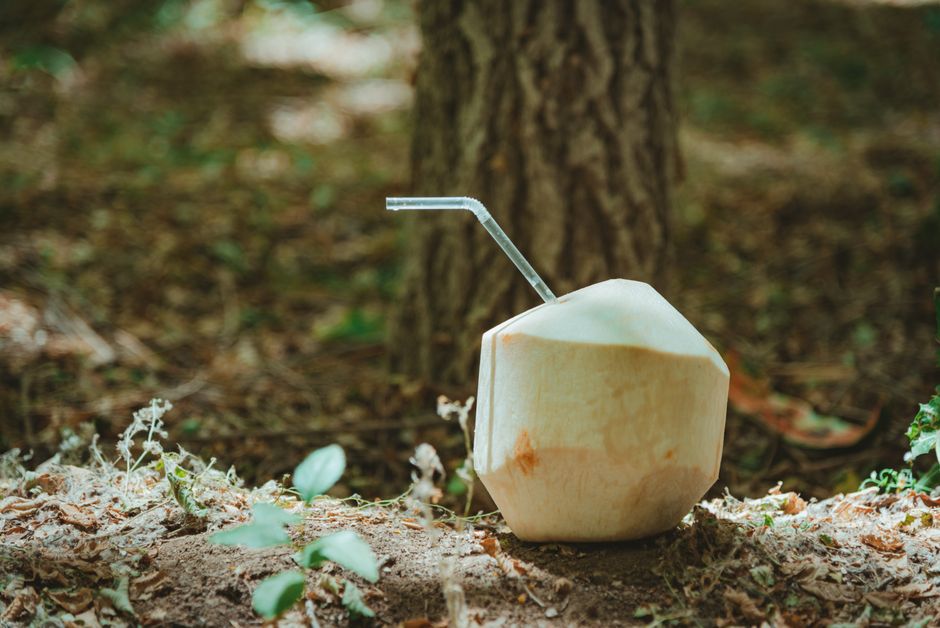
Coconut juice — the clear liquid inside a fresh coconut — is a popular drink for hydration and refreshment. But if you have felt stomach cramps or loose stools after drinking it, you are not imagining things. Yes, coconut juice can cause diarrhea in some people. The reasons range from natural sugar content to individual digestive sensitivities. Here is what the evidence actually says about why this happens, who is most at risk, and what you can do about it.
What Is Coconut Juice and How Is It Different from Coconut Milk?
Coconut juice is the thin, translucent liquid found naturally inside the coconut. It is not the same as coconut milk, which is made by blending the white coconut flesh with water. Coconut juice is mostly water — about 95% — with small amounts of natural sugars, electrolytes, and minerals.
The confusion matters because the two drinks affect digestion differently. Coconut milk is high in fat. Coconut juice is not. If you react to one, you may not react to the other.
Can Coconut Juice Cause Diarrhea?
Yes, coconut juice can cause diarrhea, but it is not common for most people. The diarrhea typically comes from three mechanisms: the sugar content, the potassium and magnesium load, or a specific intolerance to the drink itself.
For a healthy adult, a single glass of coconut juice is usually well tolerated. Problems arise with larger amounts, frequent consumption, or in people with sensitive digestive systems. Most cases are mild and resolve on their own within a day.
Why Coconut Juice Causes Loose Stools in Some People
The most common reason is sugar. Coconut juice contains natural sugars — mainly glucose, fructose, and sucrose. A typical 8-ounce serving has about 10 to 15 grams of sugar. That is similar to many fruit juices.
Fructose is the key player. Some people do not absorb fructose well. When fructose reaches the colon undigested, it draws water into the bowel and ferments, producing gas and loose stools. This is the same mechanism behind diarrhea from apples, pears, and honey.
The second reason is the electrolyte load. Coconut juice is rich in potassium — roughly 400 to 600 mg per cup. For most people this is harmless. But in large amounts, the sudden osmotic shift of minerals into the gut can pull water into the intestines, speeding up transit time. The result is watery stool.
Third, some people have a genuine intolerance. This is less common, but it happens. The body may react to specific proteins in the coconut with mild digestive distress, including diarrhea, cramping, or nausea. This is not the same as a true allergy, which involves hives, swelling, or difficulty breathing. Digestive intolerance is usually limited to the gut.





How Much Coconut Juice Is Too Much?
There is no official clinical guideline that defines a safe maximum for coconut juice. The evidence does not support a specific number.
What we can say is that the risk of diarrhea increases with volume. Drinking a small glass — about 8 ounces — is unlikely to cause issues for most people. Drinking a quart or more in one sitting is where problems start. This is especially true for people who already have irritable bowel syndrome (IBS), fructose malabsorption, or a history of diarrhea triggered by sugary drinks.
If you are using coconut juice for rehydration after exercise or illness, treat it like any other sugar-containing fluid. Sip it slowly. Do not chug large volumes at once.
Who Is Most Likely to Have a Problem?
People with irritable bowel syndrome are the most likely group to experience diarrhea from coconut juice. IBS makes the gut more sensitive to sugar, gas, and osmotic shifts. Fructose is a well-known trigger for IBS symptoms.
People with fructose malabsorption — a condition where the small intestine cannot absorb fructose efficiently — will also react. This condition is more common than many realize. Some research suggests up to one in three people have some degree of fructose malabsorption, though not everyone gets symptoms.
People with a true coconut allergy may experience diarrhea as part of a broader reaction. This is rare. Coconut allergy is much less common than allergies to peanuts, tree nuts, or shellfish. If diarrhea is accompanied by hives, vomiting, or breathing trouble, that is a medical emergency — not a digestive quirk.
People taking certain medications may also be more sensitive. Antibiotics can change gut bacteria, making the digestive tract more reactive to new foods. Sugar alcohols and other sweeteners added to commercial coconut drinks can also cause diarrhea on their own.
What About Packaged Coconut Water?
Packaged coconut water is a different product from fresh coconut juice. Many commercial brands add extra ingredients — sugar, flavorings, preservatives, and sometimes fruit concentrates. These additives can trigger diarrhea even if pure coconut juice does not.
Check the label. If the ingredient list contains anything beyond coconut water, that extra ingredient is a possible culprit. Some brands also add ascorbic acid (vitamin C) to preserve color. In sensitive people, added vitamin C in large amounts can cause loose stools.
Another issue is serving size. A single carton of commercial coconut water is often 16 ounces — twice the amount of a typical glass of fresh juice. Doubling the volume doubles the sugar and electrolyte load.
How to Tell If Coconut Juice Is the Cause
If you have diarrhea and suspect coconut juice, the first step is to stop drinking it and see if symptoms resolve. Most food-related diarrhea clears within 24 to 48 hours of removing the trigger.
If symptoms stop after you eliminate coconut juice and return when you drink it again, that is strong evidence of a connection. This is called a challenge-rechallenge pattern, and it is the most practical way to confirm a food intolerance outside of a clinical setting.
Keep a simple food diary. Write down what you drank, how much, and what happened afterward. Track the timing. Diarrhea from fructose usually begins within 1 to 3 hours of consumption. This timing is not universal, but it is a useful clue.
What to Do If Coconut Juice Gives You Diarrhea
If you experience diarrhea after drinking coconut juice, the most important step is hydration. Diarrhea causes fluid loss. Drink plain water or an oral rehydration solution. Avoid more coconut juice — it will only continue the cycle.
Eat bland foods. Rice, toast, bananas, and applesauce are gentle on the gut. Avoid fatty foods, dairy, and high-fiber foods until symptoms pass.
Do not take over-the-counter anti-diarrheal medication without checking with a healthcare provider first. If the diarrhea is caused by an infection or a more serious condition, stopping the diarrhea too quickly can make things worse. For mild cases linked to food, the diarrhea usually stops on its own.
If diarrhea lasts more than two days, contains blood, or is accompanied by severe abdominal pain, fever, or signs of dehydration — seek medical care. Dehydration signs include dark urine, dizziness, dry mouth, and reduced urination.
Should You Stop Drinking Coconut Juice Entirely?
Not necessarily. Many people can tolerate small amounts without issue. The problem is usually dose-related. A small glass with a meal may be fine. A large bottle on an empty stomach may not be.
If you have IBS or known fructose sensitivity, you may need to avoid coconut juice completely. There is no clinical evidence that drinking it in small amounts builds tolerance. The safer approach is to avoid the trigger entirely if it consistently causes symptoms.
For everyone else, moderation is the practical answer. Treat coconut juice like any other sugary beverage. It is not water. It contains sugar and minerals that can affect digestion when consumed in excess.
When to See a Doctor
Occasional diarrhea after a specific drink is not usually a medical concern. But if diarrhea becomes a regular pattern — happening most weeks, lasting for more than a few days at a time, or waking you from sleep — that warrants a medical evaluation.
Chronic diarrhea can indicate an underlying condition such as IBS, celiac disease, inflammatory bowel disease, or a malabsorption disorder. Coconut juice may simply be the trigger that reveals a deeper issue. A doctor can help you determine whether the problem is the coconut juice itself or something else.
If you have lost weight unintentionally, have blood in your stool, or feel fatigued along with diarrhea, do not delay. These are signs that something more serious may be going on.
Frequently Asked Questions
Can coconut water cause diarrhea?
Yes, coconut water can cause diarrhea, especially in large amounts or in people with sensitive digestion. The natural sugars and electrolyte load are the most common triggers.
How long after drinking coconut juice does diarrhea start?
Diarrhea usually begins within 1 to 3 hours after drinking coconut juice if sugar or osmotic effects are the cause. Timing can vary based on individual digestion and how much you drank.
Is coconut juice a laxative?
Coconut juice is not classified as a laxative, but it can have a laxative-like effect in some people. The sugar content and mineral load can draw water into the bowel and speed up transit time.
Can coconut juice cause diarrhea in babies or toddlers?
Yes, coconut juice can cause diarrhea in young children, and no clinical guidelines currently exist for safe amounts in this age group. Pediatricians generally recommend plain breast milk, formula, or water for hydration in young children rather than coconut juice.
