
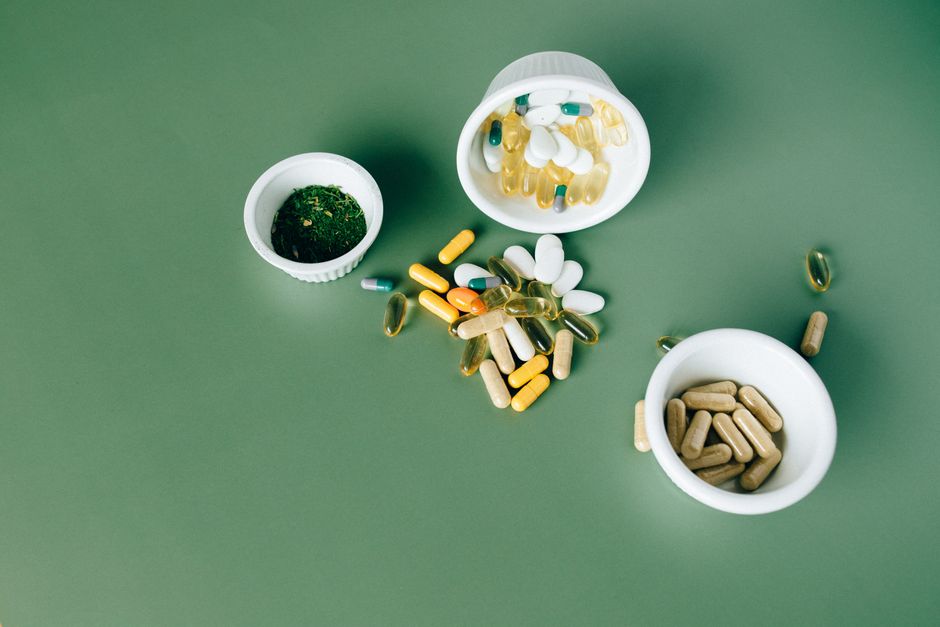
Probiotics are live microorganisms that can help restore the balance of bacteria in your gut. When you have diarrhea, that balance is often disrupted, and probiotics may help you recover faster. In many cases, you may notice improvement within 24 to 48 hours of starting a probiotic, though the exact timing depends on the cause of your diarrhea and the specific strain you take.
What Causes Diarrhea and How Probiotics Help
Diarrhea happens when your digestive system moves food and water through your intestines too quickly. This prevents proper absorption of fluids and nutrients. The most common causes are viral infections, bacterial infections, food poisoning, and antibiotics.
Antibiotics are a major trigger. They kill harmful bacteria, but they also wipe out beneficial bacteria in your gut. Without those protective microbes, other organisms can overgrow and cause loose stools. Probiotics work by repopulating the gut with helpful bacteria that compete with harmful ones and support normal digestion.
Not all probiotics work the same way. Different strains have different effects on the body. Some produce substances that inhibit harmful bacteria. Others strengthen the gut lining or support the immune system. The strain matters more than the total amount you take.
How Fast Do Probiotics Work For Diarrhea
For mild cases of diarrhea, you may see improvement within one to two days of starting a probiotic. However, this is not a guarantee. The speed depends heavily on what is causing your diarrhea.
Research consistently shows that certain probiotic strains can shorten the duration of infectious diarrhea by roughly one day. Some studies suggest that starting probiotics early in the illness produces the best results. If you wait several days before taking them, the benefit may be smaller.
For antibiotic-associated diarrhea, probiotics may help prevent the problem if you take them throughout the course of antibiotics. In this case, the benefit is not about speed but about prevention. You take the probiotic daily while on antibiotics and often for a few days after finishing them.
For chronic conditions like irritable bowel syndrome, probiotics may take several weeks to produce noticeable changes. This is a different situation entirely. Diarrhea from IBS is not the same as acute diarrhea from an infection, and the response time reflects that difference.
Which Probiotic Strains Have the Best Evidence
Not every probiotic on the shelf has solid research behind it. The evidence is strongest for a few specific strains, and they are not always the ones in the most popular products.
- Saccharomyces boulardii is a yeast, not a bacterium. It has good evidence for preventing and treating antibiotic-associated diarrhea and traveler’s diarrhea.
- Lactobacillus rhamnosus GG is one of the most studied strains for infectious diarrhea in children and adults.
- Lactobacillus casei and Lactobacillus acidophilus appear in many combination products and have moderate evidence for some types of diarrhea.
- Bifidobacterium lactis has shown benefits in some studies, particularly for antibiotic-related diarrhea.
Combination products containing multiple strains are common, and some research suggests they may be effective. However, it is harder to know which strain is doing the work. If you want the best chance of success, look for products that list specific strains and their amounts on the label.
No clinical guidelines currently recommend one single product for all types of diarrhea. The evidence supports certain strains for certain situations, and your choice should match your specific circumstances.



How to Take Probiotics for Diarrhea
Probiotics work best when taken consistently. For acute diarrhea, that means taking them every day until your symptoms resolve. Missing doses reduces the chance of benefit.
Follow the dosage instructions on the product label. Most studies use doses between 1 billion and 10 billion colony-forming units (CFU) per day, but the right amount depends on the strain and the product. More is not always better, and extremely high doses have not been proven to work faster.
Take probiotics with food unless the label says otherwise. Food helps protect the organisms from stomach acid, which can kill them before they reach the intestines. This is a practical detail that can affect how well the product works.
If you are taking antibiotics, space them apart from your probiotic by at least two hours. The antibiotic may kill the probiotic organisms if you take them at the same time. This timing is important for getting any benefit at all.
Probiotics are generally well tolerated by healthy people. The most common side effects are mild gas and bloating during the first few days. These usually settle as your gut adjusts.
When Diarrhea Needs Medical Attention
Probiotics are not a treatment for every case of diarrhea. Some situations require medical care, and waiting for a probiotic to work could delay necessary treatment.
See a doctor if you have diarrhea that lasts more than two days without improvement. Seek emergency care if you have signs of dehydration, such as extreme thirst, dark urine, dizziness, or little or no urination. Blood in your stool, severe abdominal pain, or a fever above 102°F also require prompt medical attention.
Diarrhea is especially dangerous for young children, older adults, and people with weakened immune systems. These groups can become dehydrated quickly. Probiotics should not replace fluids or medical care in these situations.
Oral rehydration solutions are the most important treatment for diarrhea. They replace the fluids and electrolytes your body loses. Probiotics may help you recover faster, but they do not prevent dehydration. If you have diarrhea, drink plenty of fluids and consider an oral rehydration solution if your intake is low.
What the Research Does and Does Not Show
The evidence for probiotics in diarrhea is real but not uniform. Some studies show clear benefits, while others show little to no effect. This inconsistency is common in probiotic research because the products, doses, and study populations vary widely.
Research published in the Cochrane Database of Systematic Reviews has examined probiotics for antibiotic-associated diarrhea and found they reduce the risk of developing it. The same source has reviewed probiotics for acute infectious diarrhea and found they may shorten the duration by about one day. These are among the most reliable findings in this field.
However, no large human trials have confirmed that probiotics cure diarrhea caused by severe bacterial infections or inflammatory bowel disease. For those conditions, probiotics are not a substitute for medical treatment.
The supplement industry often makes broader claims than the evidence supports. Some products claim to treat all digestive problems, including diarrhea from any cause. No study has confirmed that any single probiotic works for every type of diarrhea. Be skeptical of products that promise immediate relief or a complete cure.
Choosing a Quality Probiotic Product
The probiotic market is large and largely unregulated. Quality varies between brands, and the organisms listed on the label may not match what is actually in the product. This is a real concern, not a theoretical one.
Look for products from established manufacturers that test their products for potency and purity. Some companies voluntarily submit their products to third-party testing, and this information is often available on their websites. Check the label for the specific strain names, not just the species, and look for an expiration date that gives you enough time to use the product.
Refrigerated products may be more stable than shelf-stable ones, but this is not always true. Some shelf-stable products are designed to survive room temperature. Follow the storage instructions on the label to keep the organisms alive.
Cost is not a reliable indicator of quality. Expensive products are not necessarily better. What matters is the strain, the dose, and whether the manufacturer has quality controls in place.
Frequently Asked Questions
Can probiotics stop diarrhea immediately?
No, probiotics do not work instantly. They need time to colonize the gut, and most people see improvement within 24 to 48 hours at the earliest.
How long should I take probiotics after diarrhea stops?
Continue for a few days after symptoms resolve to help restore your gut balance. For antibiotic-associated diarrhea, many clinicians recommend continuing for several days after finishing the antibiotic course.
Are probiotics safe for children with diarrhea?
Some strains, particularly Lactobacillus rhamnosus GG and Saccharomyces boulardii, have been studied in children and appear safe. Check with your pediatrician before giving probiotics to an infant or a child with a weakened immune system.
Will probiotics help diarrhea from food poisoning?
Some evidence suggests they may shorten the duration of infectious diarrhea, including some foodborne cases. However, they do not replace fluids, and severe food poisoning requires medical attention.
