
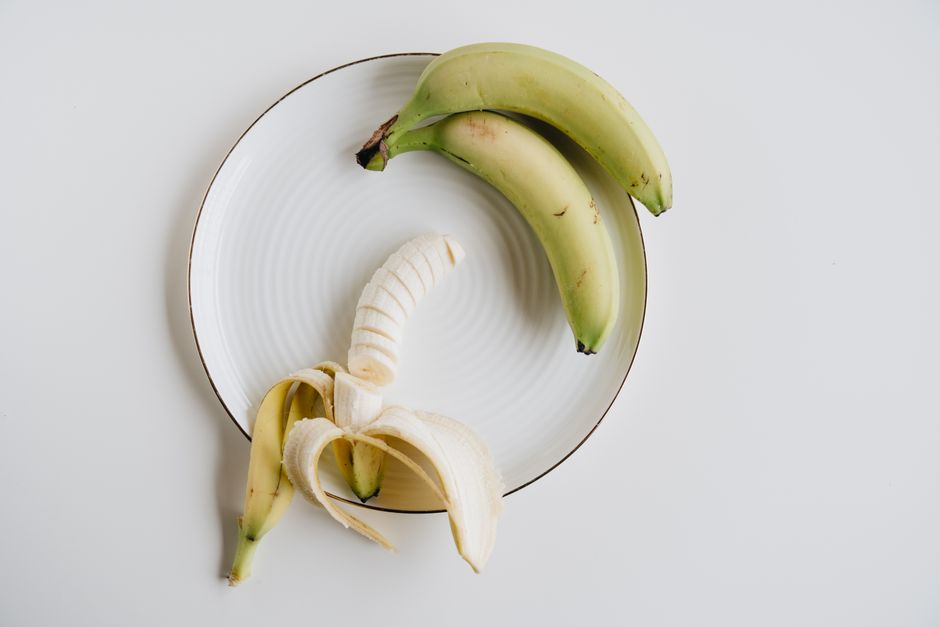
Bananas are one of the most common foods in the American diet, but for some people, eating one can trigger a sudden trip to the bathroom. The short answer is that bananas do not cause diarrhea for most people, and they are often recommended as a food to eat when you are recovering from it. However, for certain individuals with specific sensitivities, bananas can contribute to loose stools.
Why Bananas Usually Help With Diarrhea
Bananas are a key part of the classic BRAT diet, which stands for Bananas, Rice, Applesauce, and Toast. This diet has been recommended for decades by doctors to help settle an upset stomach and firm up stools after a bout of diarrhea.
The reason bananas are included is largely due to their fiber content. Bananas contain a type of fiber called pectin. Pectin is a soluble fiber, which means it absorbs water in the digestive tract. This absorption helps add bulk to loose stool, making it less watery and easier to pass.
Bananas also provide important electrolytes that are lost during diarrhea, specifically potassium. Diarrhea causes the body to lose fluids and minerals rapidly. Replacing potassium is a critical step in recovery, making bananas a practical and gentle food choice when your system is struggling.
Research consistently shows that soluble fiber like pectin can help manage diarrhea symptoms. The evidence for the BRAT diet itself is not based on large, modern clinical trials, but the physiological mechanism of how pectin works is well established. Most clinicians still recommend bananas as a safe, low-irritation food during digestive distress.
When Bananas Could Cause Loose Stools
While bananas help most people, they can be a problem for a specific group. The issue is not the banana itself, but a type of sugar alcohol it contains called sorbitol. Sorbitol is a naturally occurring sweetener that the body absorbs poorly.
For most people, the amount of sorbitol in a single banana is too small to cause a problem. However, for individuals with sensitive digestive systems, particularly those with irritable bowel syndrome (IBS), even small amounts of poorly absorbed carbohydrates can trigger symptoms.
These carbohydrates are known collectively as FODMAPs, which stands for Fermentable Oligosaccharides, Disaccharides, Monosaccharides, and Polyols. Sorbitol is a polyol. When sorbitol reaches the colon undigested, it draws water into the bowel and is fermented by gut bacteria. This fermentation produces gas, bloating, and can lead to diarrhea in sensitive individuals.
If you have IBS or a known sensitivity to sugar alcohols, a banana could trigger loose stools. This is not a sign of an allergy or a dangerous reaction. It is simply a sign that your digestive system does not tolerate this specific carbohydrate well.
The Difference Between Ripe and Unripe Bananas
The ripeness of a banana changes its carbohydrate profile significantly. This is a critical detail that many people overlook when trying to figure out if bananas are causing their digestive issues.
Green, unripe bananas are high in resistant starch. Resistant starch acts like fiber because it resists digestion in the small intestine. It travels to the colon where it feeds beneficial bacteria. For some people, this rapid fermentation in the gut can cause gas and bloating, and in some cases, it can contribute to looser stools.
As a banana ripens, the resistant starch converts into simple sugars like glucose, fructose, and sucrose. Riper bananas are sweeter and easier to digest for most people. However, the sorbitol content can also increase slightly as the fruit ripens.
This creates a complicated picture. An unripe banana may cause issues due to resistant starch, while a very ripe banana may cause issues due to higher sugar and sorbitol content. If you are sensitive to one type, you may tolerate the other better. If you are sensitive to both, you may need to avoid bananas entirely.





Banana Allergy and Intolerance
True banana allergies are rare but they do exist. An allergic reaction to a banana is an immune system response, and it does not typically present as diarrhea alone.
Common symptoms of a banana allergy include itching or swelling of the mouth, lips, and throat, hives, and in severe cases, difficulty breathing. Gastrointestinal symptoms like vomiting or diarrhea can occur, but they are usually accompanied by these other signs of an allergic reaction.
A food intolerance is different from an allergy. An intolerance is a digestive issue, not an immune response. It may cause gas, bloating, cramping, and diarrhea. This is more likely the case if you react to bananas but do not experience any mouth or skin symptoms.
If you suspect an allergy, you should speak with a doctor. If you suspect an intolerance, you can try an elimination approach. Remove bananas from your diet for two weeks to see if your symptoms resolve, then reintroduce them to see if they return. This is a common clinical approach for identifying food triggers, but it is always wise to discuss persistent digestive issues with a healthcare provider.
Other Causes of Diarrhea to Rule Out
If you are experiencing diarrhea and eat bananas regularly, the banana may not be the culprit. Many other common foods and factors can cause loose stools, and it is easy to misidentify the trigger.
Common causes of diarrhea include:
- Viral or bacterial infections
- Food poisoning from contaminated food
- Artificial sweeteners, especially those ending in “-ol” like xylitol and sorbitol
- Excessive caffeine or alcohol intake
- Dairy products for those with lactose intolerance
- Stress and anxiety, which directly affect gut motility
It is also important to consider that a sudden increase in fiber intake can cause temporary digestive upset. If you recently started eating more bananas or other high-fiber foods, your gut may need time to adjust. This adjustment period can cause gas and loose stools for a few days before things return to normal.
How to Eat Bananas Safely
If you want to enjoy bananas but are worried about digestive upset, there are a few practical steps you can take. These strategies are based on how the digestive system processes different types of carbohydrates.
First, pay attention to ripeness. If you tolerate ripe bananas poorly, try a slightly greener one. If you tolerate green bananas poorly, wait until they are fully yellow with some brown spots. Keeping a simple food diary can help you identify which stage works best for you.
Second, eat bananas as part of a meal rather than on an empty stomach. Combining the fruit with protein or fat can slow down digestion and reduce the likelihood of a rapid spike in sugar or a rush of water into the colon.
Third, be mindful of portion size. A large banana contains more fiber, sugar, and sorbitol than a small one. If you are sensitive, a smaller portion may be better tolerated. There is no clinical guideline for a specific “safe” portion for sensitive individuals, so you may need to experiment to find your own threshold.
When to See a Doctor
Occasional loose stools after eating a specific food are usually not a cause for concern. However, diarrhea can be a sign of a more serious underlying condition, and it is important to know when to seek medical advice.
You should contact a doctor if you experience diarrhea that lasts more than two days for an adult, or more than 24 hours for a child. You should also seek medical attention if you have signs of dehydration, which include excessive thirst, dry mouth, dark urine, or dizziness.
Other warning signs include severe abdominal or rectal pain, a fever above 101°F, blood or black tarry material in your stool, or diarrhea that occurs frequently at night. These symptoms can indicate an infection, inflammatory bowel disease, or another condition that requires proper diagnosis and treatment. Do not assume that a banana is the cause when these more serious symptoms are present.
Frequently Asked Questions
Can eating too many bananas cause diarrhea?
Yes, eating a large quantity of bananas can cause diarrhea in some people due to the cumulative effect of sorbitol and fiber. For most people, one or two bananas a day is not a problem, but a high intake can overwhelm a sensitive digestive system.
Are bananas good to eat when you have diarrhea?
Yes, bananas are generally recommended during diarrhea because they contain pectin, a soluble fiber that helps firm up stool. They also replace lost potassium, which is an important electrolyte for recovery.
Do bananas make IBS diarrhea worse?
Bananas can worsen diarrhea in people with IBS because they contain sorbitol, a FODMAP that is poorly absorbed. If you have IBS, you may tolerate a small portion of banana, but a full banana could trigger symptoms.
Does a banana allergy cause diarrhea?
Diarrhea can occur during a banana allergy, but it is rarely the only symptom. Allergic reactions typically also involve mouth itching, swelling, or hives, and require medical evaluation.
