
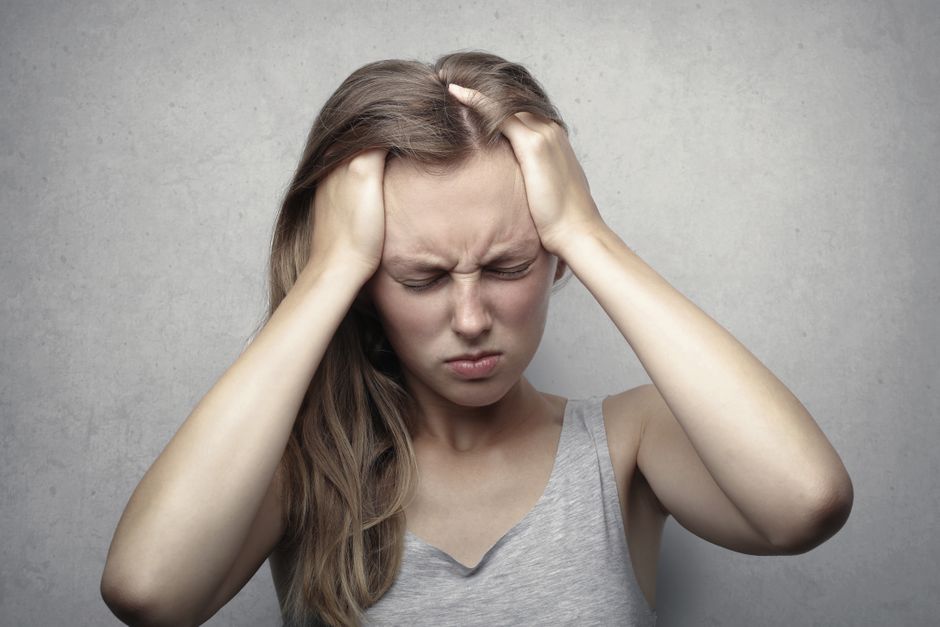
Caffeine is the most widely used psychoactive substance in the world, and its relationship with headaches is more complicated than a simple yes or no. For some people, caffeine stops a headache in its tracks. For others, it is the very thing causing the pain. The answer depends on how much you consume, how often, and how your body has adapted to it. Caffeine can both treat and trigger headaches, and understanding which side you are on is the key to managing the problem.
How Does Caffeine Affect Blood Vessels in the Brain?
Caffeine works as a stimulant, but its effect on headaches comes down to blood vessels. Adenosine is a chemical in the brain that promotes sleep and relaxes blood vessels. Caffeine blocks adenosine receptors, which prevents this relaxing effect.
When you consume caffeine regularly, your brain adapts. It grows more adenosine receptors to compensate. This means your blood vessels become more dependent on caffeine to stay constricted. If you miss your usual cup of coffee, those extra receptors suddenly bind to the adenosine that is still present. The blood vessels dilate, blood flow increases, and the expanding vessels press on surrounding nerves.
That expansion is what triggers the throbbing pain of a caffeine withdrawal headache. This is a well-established physiological mechanism, not a theory. The headache typically develops 12 to 24 hours after your last dose of caffeine and peaks around 20 to 51 hours after that.
Can Caffeine Withdrawal Cause a Headache?
Yes. Caffeine withdrawal headache is a recognized medical condition. The International Classification of Headache Disorders lists it as a distinct diagnosis. It occurs when someone who consumes caffeine regularly stops or significantly reduces their intake.
The headache is usually described as diffuse and throbbing, spreading across both sides of the head. It can range from mild to severe. In some cases, it comes with fatigue, difficulty concentrating, and irritability.
The amount of caffeine needed to produce withdrawal symptoms is surprisingly low. Some research suggests that even 100 mg per day — roughly the amount in a single cup of coffee — can lead to withdrawal headaches when stopped. The symptoms typically resolve on their own within 7 days of stopping caffeine, though the worst of the pain usually passes in the first 2 days.
Gradually reducing intake over several days or weeks is the standard approach for avoiding these headaches. Cutting down by 25 percent every few days is a common clinical recommendation, though the exact schedule should be adjusted to what feels manageable.
Can Caffeine Itself Trigger a Headache, Not Just Withdrawal?
Withdrawal is the most common way caffeine causes headaches, but it is not the only way. Some people experience headaches shortly after consuming caffeine, even when they have not missed a dose. This is less common and less studied, but it does occur.
In these cases, the headache may be related to the rapid changes in blood vessel diameter that caffeine causes. The constriction followed by rebound dilation can irritate pain-sensitive nerves in some individuals. This effect is highly individual — some people are simply more sensitive to caffeine’s vascular effects than others.
There is also the question of caffeine triggering migraine attacks specifically. Some research suggests that caffeine can act as a migraine trigger in certain people, while other studies indicate it may help abort an oncoming migraine. The evidence is mixed and highly individualized. If you notice a consistent pattern of headaches after caffeine consumption, it is reasonable to suspect caffeine as a trigger for you personally.





How Much Caffeine Is Too Much for Headache Sufferers?
There is no universal threshold that applies to everyone. However, clinical guidance generally suggests that people with frequent headaches should keep caffeine intake moderate and consistent. The key word is consistent.
Erratic consumption is more likely to cause problems than a steady daily amount. Having coffee at 7 a.m. on weekdays but sleeping in and skipping it on weekends is a classic setup for withdrawal headaches. The brain does not understand weekends. It expects caffeine at the same time every day.
For people with chronic migraine or tension-type headaches, many headache specialists recommend limiting caffeine to no more than 200 mg per day. That is roughly two cups of coffee. Some specialists recommend eliminating caffeine entirely for a trial period of several weeks to see if headache frequency improves. This is a clinical judgment call, not a universal rule.
It is also worth noting that caffeine is hidden in many products beyond coffee. Tea, cola, energy drinks, chocolate, and even some pain relievers contain caffeine. If you are tracking your intake, you need to count all sources.
When Does Caffeine Help Headaches Instead of Causing Them?
Caffeine is not only a headache trigger — it is also a legitimate headache treatment. This is why it is an ingredient in many over-the-counter headache medications. Products that combine caffeine with acetaminophen or ibuprofen are common and have been studied extensively.
Caffeine enhances the pain-relieving effects of these medications. It also constricts dilated blood vessels, which is the opposite of what happens during a withdrawal headache. For someone experiencing a migraine or tension headache, a moderate dose of caffeine can provide meaningful relief.
The tricky part is that the same substance that treats a headache can also cause one. Using caffeine to treat headaches on a regular basis can create a rebound cycle. Overuse of headache medication — including those containing caffeine — can lead to medication-overuse headaches. This occurs when pain relievers are taken more than two or three days per week on a regular basis.
The general clinical guidance is to limit caffeine-containing headache medications to no more than two days per week. Using them more frequently can make headaches worse over time, not better.
What Is the Difference Between a Caffeine Headache and a Migraine?
Caffeine withdrawal headaches and migraines are different conditions, though they can overlap. A caffeine withdrawal headache is typically bilateral — meaning it affects both sides of the head. It is usually described as a dull, throbbing pressure rather than a sharp pain.
Migraines are more complex. They are often one-sided, throbbing, and accompanied by nausea, vomiting, or sensitivity to light and sound. Some people experience an aura before a migraine — visual disturbances like flashing lights or zigzag patterns.
Caffeine can influence migraines in multiple ways. It can trigger them in some people. It can relieve them in others. And caffeine withdrawal can mimic a migraine or make an existing migraine worse. If you have a history of migraines, the relationship with caffeine is even more individual and may require careful tracking to understand.
Keeping a headache diary is the most practical way to identify your personal pattern. Note when headaches occur, what you ate and drank in the preceding 24 hours, and how much sleep you got. After a few weeks, patterns often become clear.
How to Reduce Caffeine Without Getting a Headache
If you have decided to cut back on caffeine, the gradual approach is the most reliable way to minimize withdrawal symptoms. Going cold turkey is possible, but it comes with a high likelihood of several days of significant headache pain.
A practical approach is to reduce your intake by about 25 percent every 2 to 3 days. If you normally drink four cups of coffee, drop to three. Then to two. Then to one. Then to half a cup. Then stop. This spreads the withdrawal across a week or more, keeping the headache threshold below the pain level for most people.
Switching to tea can help because tea generally contains less caffeine than coffee. A cup of black tea has roughly half the caffeine of a cup of brewed coffee. Green tea has even less. This allows you to maintain the ritual of a warm drink while reducing your caffeine load.
Staying well hydrated and maintaining regular sleep during the reduction period can also help. Neither of these will eliminate the withdrawal headache entirely, but they may reduce its severity.
When Should You See a Doctor About Caffeine and Headaches?
Most caffeine-related headaches are not dangerous and resolve on their own. However, you should seek medical attention if your headaches are severe, sudden, or accompanied by neurological symptoms like confusion, weakness, or difficulty speaking.
You should also see a doctor if you are taking headache medication more than two days per week on a regular basis. This pattern can lead to medication-overuse headaches, and breaking that cycle often requires professional guidance.
If you are pregnant or trying to become pregnant, caffeine guidelines are different. Current clinical guidance recommends limiting caffeine to less than 200 mg per day during pregnancy. This is a safety threshold, not a headache-management strategy, but it is worth keeping in mind.
Finally, if you have tried reducing or eliminating caffeine and your headaches have not improved, caffeine may not be the cause. Other factors — sleep, stress, diet, or an underlying condition — may be driving your headaches. A healthcare provider can help you sort through the possibilities.
Frequently Asked Questions
Can caffeine give you a headache if you drink it every day?
Regular daily caffeine use can cause headaches when you miss a dose or reduce your intake. This is called a caffeine withdrawal headache and typically starts within 24 hours of your last dose.
How long does a caffeine headache last?
A caffeine withdrawal headache usually lasts 2 to 7 days if you stop caffeine completely. The worst pain typically occurs in the first 1 to 2 days after your last dose.
Does caffeine help or make migraines worse?
Caffeine helps some people with migraines and triggers migraines in others. The effect is highly individual, and tracking your own pattern is the only reliable way to know which category you fall into.
How much caffeine causes a withdrawal headache?
Even 100 mg of caffeine per day — about one cup of coffee — can cause withdrawal headaches when stopped. The threshold varies from person to person.
