
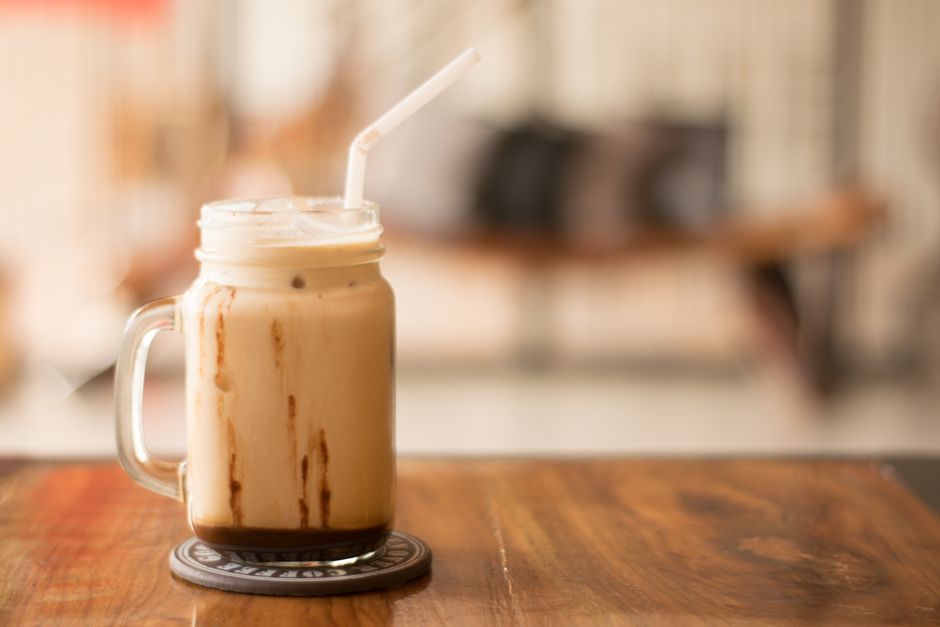
Yes, Thai tea contains caffeine. The drink most Americans call “Thai tea” is built on a base of strongly brewed black tea, and black tea leaves naturally contain caffeine. The exact amount varies a lot depending on who makes it and how they brew it, but you are almost never getting a caffeine-free drink.
What surprises many people is that the caffeine is only part of the story. Traditional Thai tea is also sweetened heavily and often finished with condensed milk or evaporated milk, which changes the drink’s nutrition far more than the tea itself does. Understanding both the caffeine and the sugar helps you decide how it fits into your day.
Does Thai Tea Contain Caffeine?
Thai tea is made from black tea, and black tea is a caffeinated beverage. The tea leaves used are the same species as those used for standard black tea, so the caffeine comes from the plant itself, not from an added ingredient.
Traditional Thai tea, sometimes called cha yen, starts with strongly brewed black tea. Some versions use a blend that includes spices like star anise, cardamom, or vanilla, and some commercial mixes add food coloring. None of those additions remove the caffeine. The tea base is where the caffeine lives.
One detail worth knowing: Thai tea is typically brewed stronger than a standard cup of hot tea. A more concentrated brew pulls more caffeine out of the leaves. That means a single serving can land higher than a typical cup of English breakfast tea, even though both are black tea.
If you want a caffeine-free version, you would need to start with a decaffeinated tea base. Most restaurants and street vendors do not offer that. A drink labeled “Thai tea” is caffeinated unless it specifically says otherwise.
How Much Caffeine Is in Thai Tea?
There is no single official number for Thai tea’s caffeine content. The amount depends on the tea blend, how much tea is used, how long it steeps, and the size of the serving.
For context, brewed black tea generally contains less caffeine than brewed coffee. An 8-ounce cup of black tea typically has around 40 to 70 milligrams of caffeine, while an 8-ounce cup of brewed coffee usually has roughly 95 milligrams or more. These ranges come from widely used food composition data, and they vary by brand and preparation.
Thai tea complicates the comparison in two ways:
- The tea is often brewed stronger than a standard cup, which can push caffeine higher.
- Serving sizes at restaurants and cafes are frequently larger than 8 ounces, so a single drink may contain more than one “cup” worth of tea.
Because of this, a restaurant Thai tea could reasonably fall anywhere from a modest amount to something closer to a cup of coffee. Without lab testing of a specific recipe, no one can give you an exact figure. Be cautious of any source that states a precise number as if it applies to all Thai tea.
For comparison, here is how common drinks generally stack up. These are typical ranges for standard preparations, not guarantees for any specific product.
| Drink | Typical caffeine (8 oz) |
|---|---|
| Black tea | About 40–70 mg |
| Green tea | About 30–50 mg |
| Brewed coffee | About 95 mg or more |
| Thai tea | Varies; often higher than plain tea due to stronger brewing |
These figures are general reference points. Your actual drink depends on the recipe in front of you.
Why Is Thai Tea So Sweet and Creamy?
The caffeine is the least of the differences between Thai tea and a plain cup of tea. Traditional Thai tea is sweetened with sugar and often finished with condensed milk, evaporated milk, or both. That is what gives it the orange color and rich, dessert-like taste.
Condensed milk is sweetened and thick. Evaporated milk is unsweetened but still adds fat and calories. Many recipes also add sugar or a sweetened syrup on top of that. The result is a drink that behaves more like a dessert than a beverage.
This matters if you are watching your sugar or calorie intake. The tea contributes almost nothing in calories on its own. The milk and sugar are where the numbers climb. A single Thai tea can carry a substantial amount of added sugar, and added sugar is something most health authorities recommend limiting.
If you order Thai tea regularly, the caffeine may not be your main consideration. The sugar often is.





How Does Thai Tea Compare to Other Teas?
Thai tea sits in the same caffeine family as other true teas. Black, green, white, and oolong tea all come from the same plant and all contain caffeine. The differences come down to processing and brewing strength.
Black tea is fully oxidized, which gives it a darker color and a stronger flavor. Thai tea uses a black tea base, so it shares black tea’s general caffeine profile before you account for the stronger brewing.
Herbal teas are a different category entirely. Drinks made from herbs, flowers, or spices rather than the tea plant are usually caffeine-free. Chamomile, peppermint, and rooibos fall into this group. Thai tea is not one of them, because it is made from real tea leaves.
One non-obvious point: the color of Thai tea is not a reliable clue about caffeine. Some commercial Thai tea mixes use added food coloring to get that bright orange, and some traditional versions get their color from the tea and spices alone. Color tells you nothing about how much caffeine is inside. Brewing strength and serving size do.
How Much Caffeine Is Considered Safe?
For most healthy adults, moderate caffeine intake is generally considered safe. Widely cited guidance from US health agencies places moderate consumption for healthy adults at up to about 400 milligrams per day. That is roughly the amount in four 8-ounce cups of brewed coffee.
Thai tea usually falls well under that on its own. The bigger issue is what else you drink during the day. Coffee in the morning, a soda at lunch, and a Thai tea in the afternoon can add up faster than people expect.
Some people are more sensitive to caffeine and should be more careful:
- People who are pregnant are generally advised to limit caffeine. Specific limits should come from your own clinician, not a general article.
- People with certain heart conditions, anxiety disorders, or sleep problems may be advised to limit or avoid caffeine.
- Children and adolescents are generally advised to keep caffeine low, and specific limits vary by age and source.
- People taking certain medications may need to watch caffeine because of possible interactions.
If you fall into any of these groups, talk to a healthcare provider about what is appropriate for you. No general guideline replaces individual medical advice.
Can Thai Tea Keep You Awake?
Yes, it can. Caffeine is a stimulant, and it works by blocking a chemical in the brain that helps you feel sleepy. That effect can last for hours, and how long depends on the person.
Caffeine’s half-life, the time it takes for your body to clear half of it, is commonly estimated at around five hours in healthy adults. That estimate varies widely between individuals. It can be longer in people who are pregnant, in people taking certain medications, and in those whose bodies process caffeine more slowly.
Because Thai tea is often sweet and creamy, it is easy to drink a large one in the late afternoon without thinking of it as a caffeine source. If you are sensitive to caffeine or have trouble sleeping, the timing of your drink may matter more than the exact amount.
Is Thai Tea a Good Choice for You?
Whether Thai tea fits your routine depends on what you are looking for. As a caffeinated, sweet, milk-based drink, it is closer to a treat than a health beverage.
If you enjoy it and you are not sensitive to caffeine, an occasional Thai tea is unlikely to be a problem for most healthy adults. If you drink it daily, the added sugar and calories are worth a closer look, since those tend to be the bigger factor over time.
If your goal is a low-caffeine or caffeine-free drink, Thai tea is not the right pick unless it is made with decaf tea. If your goal is to cut sugar, asking for less sweetener or skipping the condensed milk can change the drink considerably, though it will not taste the same.
There is no single right answer here. The useful move is knowing what is actually in the cup: caffeine from real tea, plus a meaningful amount of sugar and milk. Once you know that, you can decide how often it belongs in your day.
Frequently Asked Questions
Does Thai tea have more caffeine than coffee?
Usually not, but it can come close in some cases. Thai tea is brewed from black tea, which generally has less caffeine than coffee, though stronger brewing and larger servings can narrow the gap.
Is Thai tea caffeine-free?
No, standard Thai tea contains caffeine because it is made from real black tea leaves. Only a version made with decaffeinated tea would be caffeine-free.
How much caffeine is in a cup of Thai tea?
There is no official standard amount, because it depends on the tea blend, brewing strength, and serving size. It is generally in the range of black tea or somewhat higher, but exact figures vary by recipe.
Can I drink Thai tea while pregnant?
Pregnant people are generally advised to limit caffeine, and specific limits should come from your own clinician. Talk to your healthcare provider before making Thai tea a regular habit during pregnancy.
