
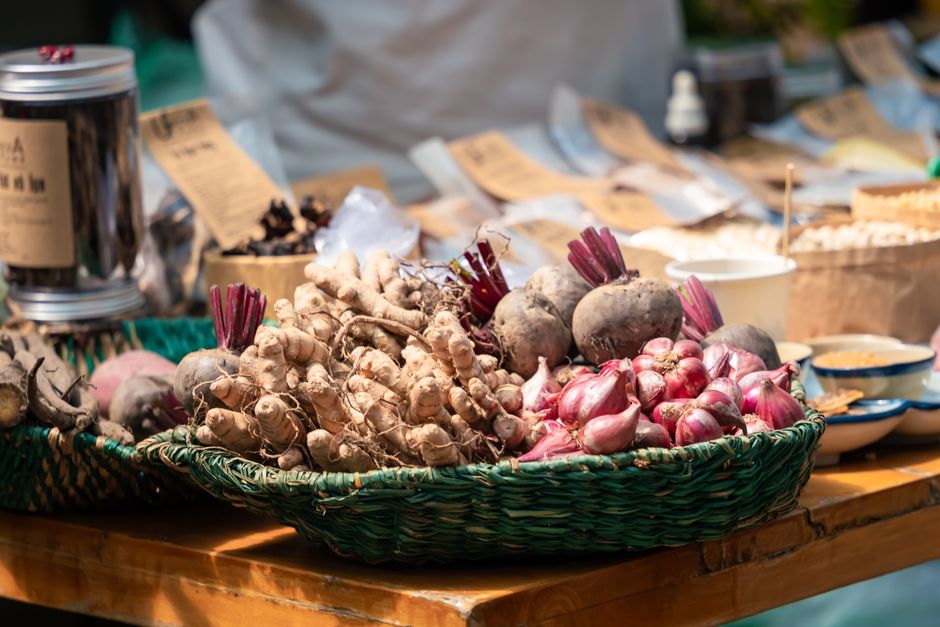
Yes. Beetroot can turn your stools red. It can also turn your urine pink or red. This is a well-documented effect, not a rumor. The color comes from pigments in the beet itself, and it is generally harmless. It is also temporary. Once the beetroot passes through your digestive system, your stool color usually returns to normal.
That said, red stools can have serious causes too. So the real question is not just whether beetroot can do this. It is how to tell beetroot red from blood red. That distinction matters, and it is worth understanding clearly.
What Makes Beetroot Red in the First Place?
Beetroot gets its deep color from pigments called betalains. The main one is betanin, a red-violet compound. Betalains are water-soluble, which means they dissolve in the watery contents of your digestive tract rather than staying locked inside plant fibers.
This solubility is the key. When you eat beetroot, some of these pigments survive digestion. They pass through the stomach and small intestine without being fully broken down. Then they reach the colon and get excreted in your stool, still carrying their color.
Beets are not unique in this. Other deeply colored foods can do similar things. Dark berries, tomato products, and red food dyes can all shift stool color to some degree. Beetroot is simply one of the most reliable and noticeable examples.
It is worth knowing that betalains are not the same as the pigments in red blood. Blood gets its color from hemoglobin, which contains iron. Betalains contain no iron. This chemical difference is part of why beetroot red and blood red can sometimes look different, though not always in a way you can spot by eye.
How Much Beetroot Does It Take to Change Stool Color?
There is no fixed amount that works for everyone. This is genuinely individual, and no clinical guideline sets a threshold.
Some people notice a color change after a single large serving. Others eat beetroot regularly and never see any difference. Several factors likely explain the variation:
- How much you ate and how concentrated it was
- How quickly food moves through your digestive tract
- Your individual gut bacteria, which vary widely between people
- Whether the beetroot was raw, cooked, juiced, or pickled
Beetroot juice tends to produce a stronger effect than whole beetroot. Juicing concentrates the pigments and removes much of the fiber. A small glass of juice may deliver more betalain than a large portion of cooked beet.
The timing also varies. You might see a color change within a day of eating beetroot. It could also take longer depending on your normal digestion speed. There is no reliable number to give here, because transit time differs so much from person to person.
Why Does Beetroot Turn Urine Red Too?
The same pigments that color your stool can also show up in your urine. When this happens after eating beetroot, it is sometimes called beeturia. It is a well-recognized phenomenon.
Beeturia does not affect everyone. Some people pass beetroot pigments into their urine easily. Others never do, even after eating large amounts. The difference appears to relate to how your body handles the pigments during digestion and absorption.
One factor that has been studied is iron status. Some research suggests that people with lower iron levels may be more likely to experience beeturia. The evidence is not entirely consistent, and this is not a reliable diagnostic tool. Do not use beeturia to judge your iron levels.
Like the stool color change, beeturia is generally harmless and temporary. It clears once the pigments leave your system. If you notice pink or red urine and you have not eaten beetroot or other strongly colored foods, that is a different situation and worth medical attention.





How Can You Tell Beetroot Red From Blood in Stool?
This is the most important question in this whole topic. Sometimes you can make a reasonable guess. Sometimes you cannot, and that is the honest answer.
Here are some general differences that clinicians consider:
- Timing: Beetroot color usually appears within a day or so of eating it and fades within a few days. Blood from a bleeding source does not follow your meals.
- Appearance: Beetroot tends to produce a more uniform reddish or purplish tint mixed through the stool. Blood may appear as streaks, coating, or mixed in, depending on where it comes from.
- Smell: Blood in stool can sometimes produce a distinct odor. Beetroot does not.
- Other symptoms: Blood loss often comes with other signs, such as pain, fatigue, dizziness, or a change in bowel habits. Beetroot color alone does not.
These clues are not foolproof. Red stool can look similar whether it comes from beetroot or from bleeding. Bright red blood in stool, called hematochezia, often comes from the lower digestive tract. But the appearance alone cannot tell you the source.
If you are not sure whether the color came from beetroot, the safest approach is to stop eating beetroot and watch what happens. If the color clears within a few days, beetroot was the likely cause. If it persists, worsens, or comes with other symptoms, see a doctor. That is not overcaution. It is the appropriate response to a symptom that can have serious causes.
Is Red Stool From Beetroot Harmful?
No. The color change itself is not harmful. Betalains are not toxic, and your body simply excretes them. There is no evidence that beetroot pigments damage the digestive tract or cause disease.
Beetroot is a nutritious vegetable. It contains fiber, folate, and other nutrients. Eating it as part of a normal diet is generally considered healthy for most people.
One exception worth mentioning: some people develop beeturia more noticeably, and in rare cases, very high intakes of beetroot have been associated with kidney stone risk in people who are prone to them. Beets contain oxalates, which can contribute to certain types of kidney stones. This is not a reason to avoid beets entirely for most people, but if you have a history of oxalate kidney stones, it is worth discussing your diet with your doctor.
The bigger point is this. The color change is not the problem. The problem would be assuming that all red stool is from beetroot when it might not be.
When Should You Worry About Red Stool?
Red stool deserves medical attention when it is not explained by something you ate. That is the clearest rule to follow.
See a doctor if:
- The color does not go away after you stop eating beetroot or other red foods
- You see what looks like blood, especially streaks or clots
- You have pain, cramping, or a change in bowel habits
- You feel tired, weak, or dizzy, which can signal blood loss
- There is no obvious food explanation for the color
Blood in stool can come from many sources. These include hemorrhoids, anal fissures, inflammation in the gut, ulcers, polyps, or colorectal cancer. Some of these are minor. Some are serious. You cannot tell which one it is by looking at the color alone.
This is why the standard advice is consistent. Unexplained red stool should be evaluated. Do not assume it is beetroot just because you ate beets recently. And do not assume it is something minor just because it does not hurt.
Does Cooking Beetroot Change the Effect?
Cooking can reduce the intensity of the color change, but it does not eliminate it. Heat can break down some betalains, so cooked beets may produce a weaker effect than raw ones. Pickled beets and beet juice tend to retain strong pigment levels.
If you want to test whether beetroot is causing your stool color, the most reliable approach is to eat a known amount of beetroot and then stop. Watch your stool over the next few days. If the color clears, you have your answer. If it does not, that is your signal to get it checked.
There is no need to avoid beetroot out of fear of the color change. For most people, it is a harmless and temporary effect. The value of knowing about it is that it helps you avoid confusing a benign food effect with a symptom that needs attention.
Frequently Asked Questions
Can beetroot turn your stools red?
Yes, beetroot can turn your stools red or reddish-purple because of pigments called betalains that survive digestion. This effect is generally harmless and temporary.
How long does beetroot stay in your stool?
Beetroot color usually clears from your stool within a few days after you stop eating it. The exact timing depends on your individual digestion speed.
Is red stool from beetroot dangerous?
No, the color change itself is not dangerous. However, if red stool persists after you stop eating beetroot, or comes with pain or other symptoms, see a doctor.
How can I tell if red stool is from beetroot or blood?
You often cannot tell for certain by appearance alone. If the color clears within a few days of stopping beetroot, it was likely the beetroot; if it does not, get it checked by a doctor.
