
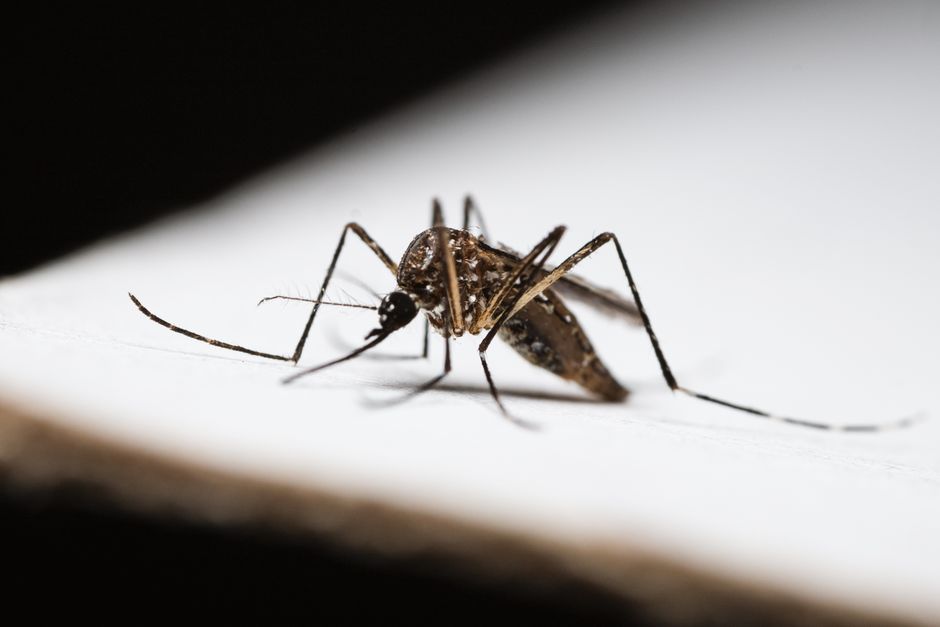
Yes, bed bugs bite. They feed on human blood, and their bites are one of the main ways people discover an infestation. The bite itself is usually painless, and many people do not feel it happen. What they notice later is the mark it leaves behind.
Bed bugs are small, reddish-brown insects that hide in cracks and crevices near where people sleep. They come out at night, feed for a few minutes, then retreat. Their bites can cause itchy welts, but reactions vary widely from person to person. Some people show almost no reaction at all.
What Do Bed Bug Bites Look Like?
Bed bug bites often appear as small, red, raised spots on the skin. They may be itchy and can show up in a line or small cluster. This pattern is sometimes described as “breakfast, lunch, and dinner,” though not everyone gets bites in that arrangement.
The marks can look similar to other insect bites, hives, or a rash from another cause. That makes visual identification alone unreliable. A doctor usually cannot confirm bed bugs just by looking at the skin.
Bites most often appear on skin that is exposed during sleep. That includes the arms, neck, shoulders, and legs. The face can be affected too. Bed bugs tend to feed on whatever skin is easy to reach, not on one specific area every time.
Reaction timing varies. Some people notice bites within minutes. Others develop marks hours or even days later. A small number of people have no visible reaction at all, which is one reason infestations can go unnoticed for a while.
Why Do Bed Bugs Bite Humans?
Bed bugs bite because they need blood to survive and reproduce. They are not feeding on dead skin or debris. Blood is their only food source, and they must feed to grow and lay eggs.
Unlike some insects, bed bugs do not transmit disease to humans through their bites. This is an important point. Research has not shown that bed bugs spread infectious diseases the way mosquitoes or ticks do. Their main health impact comes from the bites themselves and the stress of an infestation.
Bed bugs are drawn to warmth and the carbon dioxide people exhale. They are most active at night, which is why bites often happen during sleep. They typically feed every few days, but they can survive for extended periods without a meal.
A non-obvious point: bed bugs are not a sign of poor hygiene. Clean homes get infested too. They travel on luggage, clothing, and furniture, and they can spread in hotels, apartments, and shared buildings regardless of how clean the space is.
Are Bed Bug Bites Dangerous?
For most people, bed bug bites are not dangerous. They are uncomfortable and annoying, but they are not known to carry disease. The evidence on this is fairly consistent.
The main risks are secondary. Scratching a bite can break the skin and allow bacteria to enter, which may lead to a skin infection. Signs of infection include increasing redness, warmth, swelling, or pus. Anyone with these signs should see a doctor.
Some people have stronger reactions. Rarely, a bite can trigger a more significant allergic response. Severe reactions are uncommon, but they can happen. Anyone who develops swelling of the face or throat, trouble breathing, or widespread hives should seek emergency care.
The mental health toll is real and often underestimated. Living with an infestation can cause anxiety, sleep loss, and distress. Some research suggests the psychological impact can be substantial, especially when infestations are hard to eliminate. This is a legitimate part of the health picture, not an afterthought.





How Can You Tell Bed Bugs From Other Bites?
You often cannot tell from the bite alone. Bed bug bites look like many other skin reactions. The more reliable clue is finding evidence of the bugs themselves.
Signs to look for around the bed and sleeping areas include:
- Small dark spots on sheets or mattresses, which may be bug waste
- Tiny blood stains on bedding, from feeding
- Shed skins, since bed bugs molt as they grow
- Live bugs, which are about the size of an apple seed
- A sweet, musty odor in heavy infestations
If you find bites but no other evidence, the cause may be something else. Other possibilities include other insects, allergies, or skin conditions. Confirming bed bugs usually means finding the bugs or signs of them, not just the bites.
If you are unsure, a pest control professional can inspect the space. This is often more reliable than trying to identify bites on your own.
How Are Bed Bug Bites Treated?
Treatment focuses on easing the itch and preventing infection. Most bites heal on their own without specific care.
General steps that clinicians commonly suggest include:
- Wash the area gently with soap and water
- Avoid scratching, which can lead to infection
- Apply a cold compress to reduce swelling and itch
- Use an over-the-counter anti-itch cream if needed
For itching, some people use calamine lotion or an over-the-counter hydrocortisone cream. An oral antihistamine may help with itching and sleep, though it is worth checking with a pharmacist or doctor first, especially if you take other medications.
Antibiotics are not useful for bed bug bites themselves. They only matter if a bite becomes infected. This is a common misunderstanding worth correcting.
No treatment removes the bites faster than they would heal on their own. The goal is comfort and preventing complications, not speeding up healing.
If bites are widespread, very painful, or show signs of infection, see a doctor. People with weakened immune systems should be especially cautious, since infections can progress more quickly.
How Do You Get Rid of Bed Bugs?
Getting rid of bed bugs means treating the infestation, not just the bites. If the bugs stay, the bites keep coming. This is the part many people underestimate.
Bed bugs are notoriously hard to eliminate. They hide in small spaces, and they can survive for long periods without feeding. Do-it-yourself methods often fail, and some can be unsafe if used incorrectly.
Approaches that professionals commonly use include:
- Thorough inspection of seams, cracks, and furniture
- Heat treatment, since bed bugs die at high temperatures
- Targeted pesticides applied by trained professionals
- Repeated treatments, because eggs and hidden bugs may survive the first round
Some steps people can take on their own include washing and drying bedding on high heat, vacuuming thoroughly, and sealing cracks. These help but often are not enough alone for a full infestation.
Foggers and bug bombs are widely sold, but they may not reach the hiding spots where bed bugs live, and they can scatter the bugs to other areas. Many pest control professionals advise against relying on them.
Because bed bugs spread easily, treating one room may not be enough. Neighboring units in apartments or shared buildings may also need treatment. This is one reason infestations can persist if only part of a building is addressed.
Can You Prevent Bed Bug Bites?
Prevention centers on avoiding infestation in the first place. Once bed bugs are established, preventing bites becomes much harder.
Steps that may help reduce risk include:
- Inspect hotel rooms, especially the mattress seams and headboard
- Keep luggage off the floor and away from the bed
- Wash and dry clothing on high heat after travel
- Check secondhand furniture before bringing it inside
- Use a mattress cover that fully encloses the mattress
Repellents marketed for bed bugs have limited evidence behind them. No product is proven to reliably prevent bites in an infested space. The most effective approach is removing the bugs, not repelling them.
If you live in a shared building and suspect bed bugs, telling your landlord or building management early can help. Prompt action tends to make infestations easier to manage.
When Should You See a Doctor?
Most bed bug bites do not require medical care. See a doctor if bites become infected, if you have a severe reaction, or if the itching is severe enough to disrupt sleep or daily life.
Watch for signs of infection such as spreading redness, swelling, warmth, or pus. These warrant a medical visit. So does any sign of a serious allergic reaction, which is a medical emergency.
If you are unsure whether your bites are from bed bugs, a doctor can help rule out other causes. They may not be able to confirm bed bugs from the skin alone, but they can assess the reaction and treat any complications.
The bites are the symptom. The infestation is the problem. Addressing both is what actually resolves the situation.
Frequently Asked Questions
Can bed bugs bite through clothing?
Bed bugs can bite through some thin fabrics, but they usually feed on exposed skin. Wearing long sleeves and pants may reduce bites but does not fully prevent them.
Do bed bugs bite everyone in the same household?
No. Reactions vary, and some people show no visible marks even when they are being bitten. This is why one person may have bites while another in the same bed does not.
Do bed bug bites spread disease?
Research has not shown that bed bugs transmit infectious diseases to humans through their bites. The main concerns are itching, skin infection from scratching, and the stress of an infestation.
How long do bed bug bites last?
Most bites heal within a week or two, though this varies by person. Bites that stay itchy, get worse, or show signs of infection should be checked by a doctor.
