
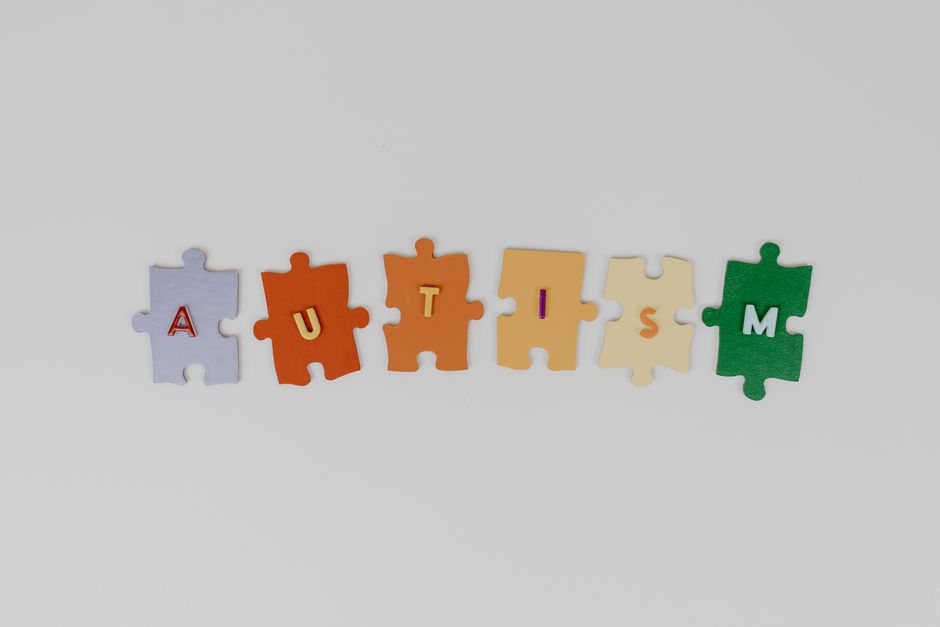
Autism itself does not directly kill a person. However, research consistently shows that autistic people, on average, die younger than non-autistic people. This is not because autism is a fatal condition, but because of a range of associated health conditions, higher rates of accidents, and significant barriers to adequate healthcare. Understanding these factors is the first step toward changing them.
What Does the Research Say About Life Expectancy?
Studies examining mortality in autistic populations have repeatedly found a reduced life expectancy. The exact numbers vary between studies, which makes pinpointing a single “average” age difficult and sometimes misleading. Some research has suggested the average age of death for autistic people is in the mid-50s, while others have found it to be higher.
The range in these numbers depends heavily on the study group. For example, studies that include people with severe intellectual disabilities and epilepsy report much younger average ages of death. Studies that focus on autistic adults without intellectual disabilities often report a smaller gap compared to the general population. The consistent finding is not a specific number, but the existence of a significant gap.
It is important to understand that this is an average. It does not mean an autistic person will die at 55. Many autistic people live into old age. The statistic reflects preventable risks that, when addressed, can improve longevity.
Why Do Autistic People Die Younger? The Main Causes
The reasons for early death in the autistic population are complex and interconnected. They can be grouped into several major categories. These are not ranked by importance because they often overlap and compound one another.
Chronic Health Conditions: Autistic adults have higher rates of several serious health conditions compared to the general population. These include heart disease, diabetes, and respiratory disorders. Some research suggests this is linked to higher rates of sedentary behavior and poor diet, which can be influenced by sensory sensitivities to certain foods or difficulties with exercise routines.
Epilepsy: Epilepsy is a significant comorbidity in autism. It is more common in autistic people, particularly those with intellectual disability. Seizures can be fatal in some cases, such as through status epilepticus or accidents during a seizure. This is one of the most direct medical links to a shortened lifespan.
Accidents and Injuries: Accidental deaths, such as drowning, suffocation, and falls, are more common in autistic children and adults. Wandering, or “elopement,” is a well-documented behavior in some autistic children. This can lead to dangerous situations, especially near water or traffic. For adults, challenges with motor coordination or situational awareness may increase injury risk.
Suicide: Suicide is a major concern. Research indicates that autistic adults have significantly higher rates of suicidal ideation and suicide attempts than the general population. The reasons are complex and include social isolation, bullying, masking (hiding autistic traits), and the high rate of co-occurring mental health conditions like depression and anxiety.
The Role of Co-Occurring Mental Health Conditions
Mental health conditions are the rule, not the exception, in autism. Studies show that a large majority of autistic adults have at least one co-occurring psychiatric condition. Anxiety, depression, and obsessive-compulsive disorder are common.
These conditions are not just “part of autism.” They are separate, treatable medical issues. When left untreated, they contribute significantly to early mortality. Depression is a leading risk factor for suicide. Chronic anxiety can contribute to cardiovascular strain over a lifetime.
The challenge is that these conditions often present differently in autistic people. A doctor might miss depression because the patient does not describe it in a typical way. An autistic person might express distress through increased stimming, meltdowns, or withdrawal rather than saying “I feel sad.” This diagnostic overshadowing is dangerous.




Barriers to Healthcare: A Critical Problem
Autistic people face major barriers when trying to get medical care. This is a systemic issue, not a personal failure. These barriers lead to later diagnoses, untreated conditions, and worse health outcomes.
Communication Difficulties: Many autistic people struggle to describe their symptoms. They might be literal in their language or have trouble identifying internal sensations like pain or nausea. A doctor who asks “on a scale of 1 to 10, how is your pain?” may receive an answer that does not reflect the true severity.
Sensory Sensitivities: The sensory environment of a hospital or clinic is often overwhelming. Bright lights, loud noises, and the physical sensation of being touched can cause extreme distress. This can make routine exams like blood pressure checks or blood draws traumatic. Some people avoid care entirely to avoid this distress.
Anxiety and Trauma: Many autistic people have had negative healthcare experiences. Feeling dismissed, misdiagnosed, or treated as “difficult” creates distrust. This can lead to avoiding follow-up appointments or emergency care until a condition becomes severe.
Clinician Bias: Medical professionals are not immune to bias. Some may hold outdated views about autism. They might attribute a physical symptom to the patient’s “behavior” or assume a person with intellectual disability cannot be a reliable historian. This leads to under-diagnosis of serious physical illnesses.
Lifestyle Factors and Social Determinants of Health
Social factors play a huge role in health outcomes. Autistic people face higher rates of unemployment, underemployment, and financial instability compared to their non-autistic peers. Poverty is a well-established risk factor for poor health and early death.
Social isolation is another critical factor. Loneliness has been linked to negative health outcomes comparable to smoking or obesity. Autistic people often struggle to build and maintain social connections. This isolation is not a choice; it is often a result of social communication differences and a lack of inclusive community opportunities.
Diet and exercise also matter. Sensory issues can limit food choices to a narrow range of highly processed items. Difficulties with motor skills or sensory overload can make gyms or team sports overwhelming. These factors contribute to higher rates of obesity and metabolic syndrome, which are precursors to heart disease and diabetes.
Can Anything Be Done to Reduce These Risks?
Yes. Many of the factors that contribute to early death in autistic people are modifiable. The goal is not to change who the person is, but to address the medical and social conditions that create risk.
Better Healthcare Access: Healthcare systems need to become more accessible. This includes allowing longer appointment times, offering alternative communication methods, and training clinicians to recognize how conditions present in autistic patients. Simple adjustments like dimming lights or using quieter exam rooms can make a significant difference.
Mental Health Support: Autistic individuals need access to mental health professionals who understand autism. Standard therapies for depression or anxiety may need to be adapted. Treating the co-occurring condition, rather than dismissing it as “part of the autism,” is essential.
Safety Planning: For children who wander, safety measures like door alarms, tracking devices, and swimming lessons are critical. For adults, support with daily living skills and community safety can reduce the risk of accidents.
Social Inclusion: Building genuine social connections is protective. Community programs that are truly inclusive, rather than forcing autistic people to fit into neurotypical social norms, can reduce isolation and its health consequences.
For individuals and families, the most practical step is to be proactive. Track health complaints seriously. Ask for referrals to specialists when something feels wrong. Advocate for a sensory-friendly environment at medical appointments. These actions do not solve the systemic problems, but they can reduce personal risk.
Frequently Asked Questions
Is autism itself a fatal condition?
No. Autism is a neurodevelopmental condition, not a disease that causes death directly. The increased mortality risk comes from co-occurring medical conditions, accidents, and mental health challenges.
What is the average lifespan of an autistic person?
Research shows a significant gap compared to the general population, with some studies suggesting an average age of death in the mid-50s. The exact number varies widely depending on the study and whether participants have intellectual disabilities or epilepsy.
Why are accidents more common in autistic people?
Wandering behavior, especially in children, increases the risk of drowning and traffic accidents. Differences in motor coordination and situational awareness can also contribute to injury risk in older individuals.
Can improving healthcare access extend an autistic person’s life?
Yes. Many contributing factors, such as untreated heart disease, epilepsy, and depression, are treatable. Removing barriers to care and ensuring accurate diagnosis of physical and mental health conditions are key steps to reducing early mortality.
