
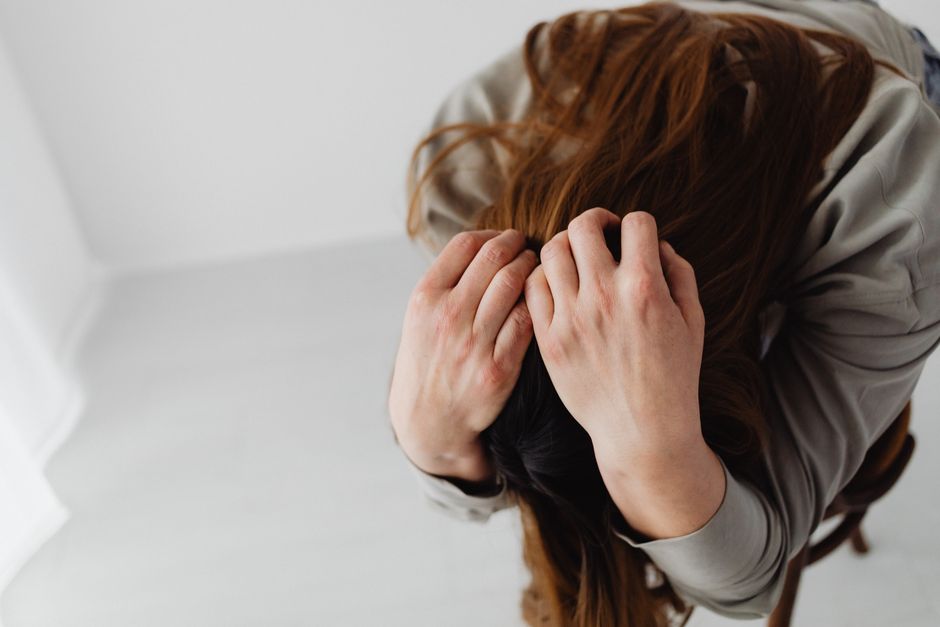
Yes, anxiety can make you feel physically unwell. The body’s stress response is a full-body event, not just a mental one. When anxiety is ongoing, that response can produce real symptoms — headaches, stomach pain, tight chest, fatigue, dizziness, and more — even when there is nothing wrong with your physical health.
This is one of the most misunderstood parts of anxiety. People often assume anxiety lives entirely in the mind. In reality, the physical symptoms are frequently the reason someone goes to the doctor in the first place. Understanding why this happens can help you take it seriously without fearing it.
How Does Anxiety Create Physical Symptoms?
Anxiety activates the body’s fight-or-flight response. This is a well-established physiological system designed to protect you from danger. When your brain perceives a threat, it releases stress hormones including adrenaline and cortisol.
Those hormones trigger changes throughout the body. Your heart rate increases. Breathing speeds up. Blood is redirected toward large muscles and away from the digestive system. Muscles tense. This response is useful when you face real danger — and it is exactly why it feels so physical.
The problem is when the system switches on without a real threat, or stays switched on. Chronic anxiety keeps the body in a low-level state of alert. Over time, that sustained alertness produces ongoing symptoms that feel like illness.
One point worth clarifying: the symptoms are real. They are not imagined. The physical changes are measurable — a faster heart rate, altered breathing, muscle tension, and shifts in digestion are all documented effects of the stress response.
What Physical Symptoms Can Anxiety Cause?
Anxiety can affect nearly every system in the body. The specific symptoms vary from person to person, which is part of why anxiety is sometimes mistaken for other conditions.
- Heart and chest: A pounding or racing heart, chest tightness, or a feeling of pressure. These symptoms understandably cause alarm, and they are a common reason people seek emergency care.
- Breathing: Shortness of breath, a feeling of not getting enough air, or sighing frequently.
- Digestive system: Nausea, stomach cramps, changes in appetite, diarrhea, or constipation. The gut is closely connected to the stress response.
- Muscles: Tension, especially in the neck, shoulders, and jaw. This can lead to tension headaches.
- Nervous system: Dizziness, lightheadedness, tingling in the hands or feet, or a feeling of being detached from your surroundings.
- Energy: Fatigue and a persistent sense of being worn down.
- Sleep: Trouble falling or staying asleep, which can worsen every other symptom.
Many of these overlap with symptoms of other medical conditions. That overlap is important — it means physical symptoms should never be assumed to be “just anxiety” without proper evaluation.
Can Anxiety Make You Feel Sick Without a Physical Cause?
Yes. This is one of the hardest ideas for people to accept, but it is well documented. The body can produce genuine symptoms — nausea, pain, fatigue, dizziness — through the stress response alone, with no underlying disease present.
This does not mean the symptoms are fake or “all in your head” in the dismissive sense. The discomfort is real. What differs is the cause. The trigger is the nervous system’s sustained activation rather than an infection, injury, or organ problem.
There is a practical consequence here. Because anxiety symptoms mimic so many other conditions, the first step is often ruling out physical causes with a doctor. That is not a waste of time. It is how the picture becomes clear. Once other causes are reasonably excluded, anxiety becomes a more likely explanation — but that conclusion belongs with a clinician, not a self-diagnosis.




Why Do Anxiety Symptoms Feel So Real?
Anxiety symptoms feel real because they are real. The body is genuinely changing — heart rate, breathing, muscle tension, and digestion are all being altered by stress hormones. Your nervous system is not lying to you. It is responding.
There is a second layer that makes things harder. When you notice a physical symptom, you may worry about it. That worry increases anxiety, which intensifies the symptom, which increases worry again. This loop is well recognized in anxiety research and is a core part of why symptoms can build on themselves.
For example, a racing heart can trigger the thought “something is wrong with me.” That thought releases more adrenaline, which makes the heart race harder. The symptom and the fear feed each other.
Understanding this loop is not a cure. But it can reduce the fear that drives it. When you know a pounding heart can come from anxiety, the symptom often carries less alarm — and less alarm means less fuel for the cycle.
When Should You See a Doctor About Anxiety Symptoms?
Some symptoms always warrant medical attention, regardless of whether anxiety is present. Chest pain, especially with shortness of breath, sweating, or pain spreading to the arm or jaw, should be treated as a medical emergency. Call emergency services. Do not assume it is anxiety.
Beyond emergencies, it is reasonable to see a doctor when:
- Symptoms are new or have changed in character
- Symptoms are interfering with daily life, work, or sleep
- You have lost weight without trying, or have fever, or other signs of physical illness
- You are relying on alcohol or other substances to manage symptoms
- You feel unable to cope, or have thoughts of harming yourself
If you have thoughts of self-harm, contact a crisis line or emergency services right away. You deserve support, and help is available.
A doctor can help sort out what is anxiety and what may be something else. This is not a sign of weakness. It is a sensible step, and it is often the fastest route to feeling better.
What Helps With Anxiety-Related Physical Symptoms?
The most reliable approaches target the anxiety itself rather than chasing each symptom. When the underlying anxiety is treated, the physical symptoms usually ease along with it.
Evidence supports several approaches for anxiety. Cognitive behavioral therapy is among the most studied psychological treatments and has a strong evidence base. Some people benefit from medication, which a clinician can discuss. Regular physical activity, adequate sleep, and limiting caffeine and alcohol can reduce symptom burden for many people. Slow, deliberate breathing can calm the acute stress response in the moment, though it is a short-term tool rather than a treatment.
Be cautious with supplements and products marketed for anxiety. The evidence for most is limited, and some can interact with medications. No supplement is a substitute for proper evaluation and care.
What works varies from person to person. A clinician can help you find an approach suited to your situation. The key point is that anxiety-related physical symptoms are treatable, and many people see meaningful improvement with the right support.
Frequently Asked Questions
Can anxiety make you feel physically sick?
Yes. Anxiety triggers the body’s stress response, which can cause nausea, stomach cramps, headaches, fatigue, and other real physical symptoms. These symptoms are genuine, not imagined.
What does anxiety feel like in the body?
Common physical feelings include a racing or pounding heart, tight chest, shortness of breath, tense muscles, dizziness, and stomach upset. Symptoms vary widely from person to person.
Can anxiety cause symptoms that feel like other illnesses?
Yes. Anxiety symptoms overlap with many medical conditions, which is why physical symptoms should be checked by a doctor rather than assumed to be anxiety. Proper evaluation helps rule out other causes.
When should I see a doctor for anxiety symptoms?
See a doctor if symptoms are new, worsening, or interfering with daily life, and seek emergency care for chest pain or difficulty breathing. Thoughts of self-harm require immediate crisis support.
