
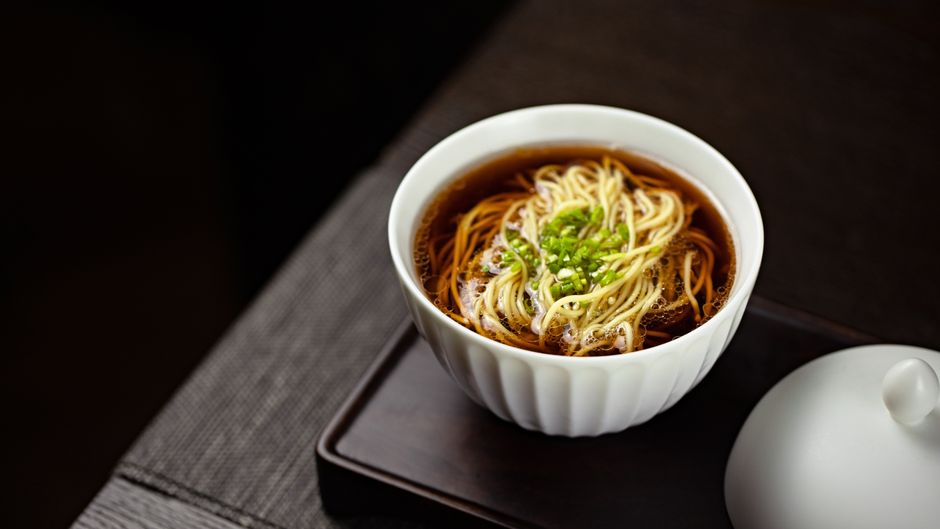
Soba noodles are a staple of Japanese cuisine, known for their nutty flavor and firm texture. If you are following a gluten-free diet, you might wonder if these noodles are safe to eat. The direct answer is that traditional soba noodles are made from buckwheat flour, which is naturally gluten-free. However, many soba noodles sold in stores and restaurants contain wheat flour as a primary ingredient, making them decidedly not gluten-free.
What Are Traditional Soba Noodles Made Of?
Authentic soba noodles are made from buckwheat flour and water. The buckwheat plant is not a grain; it is a seed related to rhubarb. This is why buckwheat is naturally gluten-free and suitable for people with celiac disease or gluten sensitivity.
The challenge is that pure buckwheat dough is fragile and difficult to work with. It lacks gluten, the protein that gives wheat dough its elasticity. To make the noodles easier to roll, cut, and cook without breaking apart, many manufacturers add wheat flour.
In Japan, it is common to find soba noodles with a blend of 80% buckwheat and 20% wheat flour. Some versions use even more wheat. If the label does not clearly state “100% buckwheat” or “gluten-free,” you should assume it contains wheat.
How to Tell if Your Soba Noodles Contain Gluten
Reading the ingredient label is the only reliable way to know. Look for the words “wheat flour” or “wheat” in the ingredients list. In many countries, packaged foods must clearly list wheat as an allergen.
Be aware that some brands use the term “soba” loosely. A product might be primarily wheat noodles with just a small amount of buckwheat added for flavor and color. These products are not gluten-free and can cause a reaction in sensitive individuals.
Look for certification. In the United States, products certified gluten-free by organizations like the Gluten-Free Certification Organization (GFCO) must meet strict standards. This certification usually means the product contains less than 10 parts per million of gluten, a level considered safe for most people with celiac disease.
Are 100% Buckwheat Soba Noodles Safe for Celiac Disease?
Yes, 100% buckwheat soba noodles are generally safe for people with celiac disease, provided they are not cross-contaminated. Cross-contamination can happen during manufacturing if the same equipment processes wheat products.
Even if a package says “100% buckwheat,” it is still important to check for a gluten-free label. This label indicates the manufacturer has tested the product or follows protocols to prevent cross-contamination.
Some people with celiac disease react to avenin, a protein in oats, but buckwheat does not contain avenin. Buckwheat is a different plant entirely. There is no evidence that buckwheat itself triggers an immune response in people with celiac disease.





What Is the Difference Between Buckwheat and Wheat Soba?
The difference comes down to ingredients and texture. Pure buckwheat soba has a darker color, a stronger earthy flavor, and a more delicate texture. It can break apart easily if overcooked.
Wheat-blend soba is lighter in color and has a chewier, more elastic texture. It holds together better during cooking and is often cheaper to produce. Many restaurants prefer the blend because it is easier to work with.
From a nutritional standpoint, buckwheat offers more fiber and certain minerals like magnesium and manganese compared to refined wheat flour. However, the nutritional difference is not dramatic unless the wheat flour is highly refined.
How to Cook 100% Buckwheat Soba Noodles
Pure buckwheat noodles require more careful cooking than wheat-blend noodles. They are more fragile and can turn mushy if you walk away from the pot.
Bring a large pot of water to a rolling boil. Add the noodles and stir gently to prevent sticking. Cook for the time stated on the package, usually 4 to 6 minutes. Start checking at the lower end of the time range.
Drain the noodles immediately and rinse them under cold water. This stops the cooking process and removes excess starch. Rinsing also helps the noodles firm up slightly, making them easier to handle.
Do not cook buckwheat noodles in the same pot used for wheat pasta without washing it thoroughly. Trace amounts of gluten can remain and cause a reaction in highly sensitive individuals.
Gluten-Free Alternatives to Soba Noodles
If you cannot find 100% buckwheat soba, several other noodle options are naturally gluten-free. Rice noodles are widely available and work well in stir-fries and soups. They have a neutral flavor and a soft, slippery texture.
Shirataki noodles are made from konjac root. They are very low in calories and carbohydrates, with a chewy texture that some people enjoy. They are best used in dishes with strong sauces.
Chickpea pasta and lentil pasta are higher in protein and fiber than rice noodles. They have a firmer texture and a slightly earthy taste. These are good options if you want a more substantial noodle.
Zucchini noodles, often called zoodles, are a raw vegetable option. They are crunchy and fresh but do not hold up well in hot soups. They are best served cold or lightly sautéed.
Are Soba Noodles Gluten Free in Restaurants?
You cannot assume soba noodles are gluten-free in a restaurant. Many Japanese restaurants use wheat-blend soba as their standard offering. The menu may not specify the ratio of buckwheat to wheat.
Ask your server directly. Ask whether the noodles are 100% buckwheat and whether they are cooked in a dedicated gluten-free area. Cross-contamination is a real concern in restaurant kitchens where wheat flour is used heavily.
Even the dipping sauce served with cold soba noodles often contains soy sauce, which is made from wheat. Tamari is a gluten-free alternative, but you must ask whether the restaurant uses it. The broth for hot soba soup may also contain wheat-based soy sauce.
If a restaurant cannot confirm that the noodles and sauce are gluten-free, it is safer to choose a different dish.
Common Misconceptions About Buckwheat and Gluten
Many people assume that because “wheat” is in the name, buckwheat contains gluten. This is false. The name is misleading. Buckwheat is not related to wheat at all.
Another misconception is that all soba noodles are healthy simply because they contain buckwheat. If the noodles are mostly wheat flour, the health benefits are minimal. Check the ingredient list to know what you are actually eating.
Some people believe that rinsing wheat-blend soba noodles removes the gluten. This is not true. Rinsing removes starch, not protein. Gluten is not water-soluble and cannot be washed off noodles.
How to Store and Cook Gluten-Free Soba Noodles
Dry 100% buckwheat soba noodles should be stored in a cool, dry place. Once opened, keep them in an airtight container to protect them from moisture and pests.
Cooked soba noodles can be stored in the refrigerator for up to three days. Toss them with a little oil to prevent sticking. Reheat them quickly in boiling water or a microwave, but be aware that they may become softer the second time around.
Do not freeze cooked soba noodles. The texture degrades significantly after thawing, and they become mushy.
Frequently Asked Questions
Is buckwheat flour gluten-free?
Yes, buckwheat flour is naturally gluten-free. It comes from a seed, not a grain related to wheat.
Can I eat soba noodles if I have celiac disease?
You can eat soba noodles only if they are made from 100% buckwheat and are certified gluten-free. Most standard soba noodles contain wheat flour.
Why do some soba noodles contain wheat?
Wheat flour is added to make the dough easier to roll and cut. Pure buckwheat dough is fragile and breaks apart easily.
What does 100% buckwheat soba taste like?
It has a nutty, earthy flavor and a firmer, more delicate texture than wheat-blend noodles. It is darker in color and can break apart if overcooked.
