
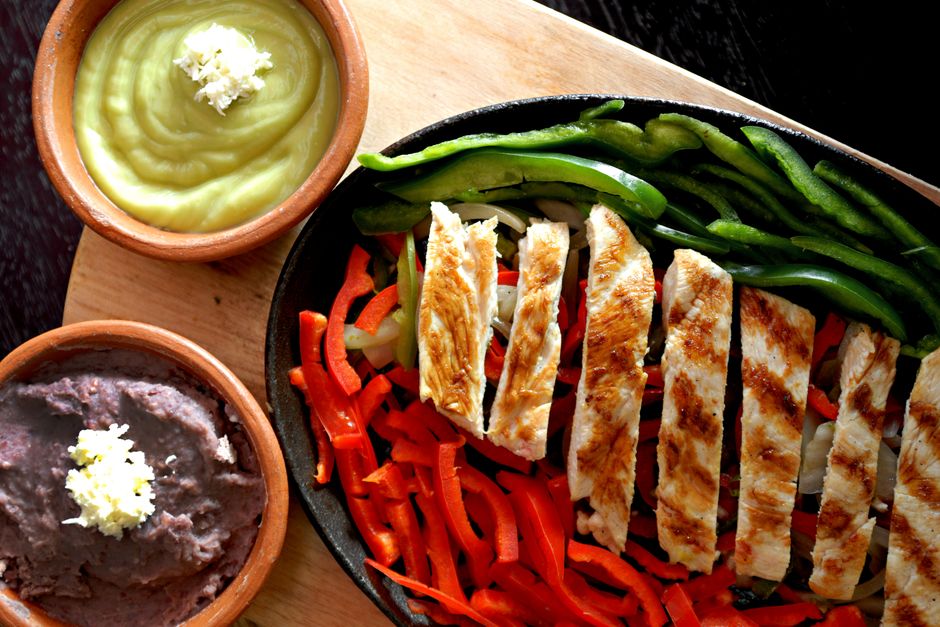
Refried beans are not inherently bad for you. They are a legume-based food with real nutritional value, including protein and fiber. However, the way they are prepared matters, and some versions contain significant amounts of added fat and sodium. The health impact depends largely on whether you are eating a homemade batch, a restaurant serving, or a canned product from the grocery store.
What Are Refried Beans Actually Made Of?
Despite the name, refried beans are not fried twice. The Spanish name frijoles refritos means “well-fried beans.” The beans are cooked, mashed, and then fried or simmered with fat.
The base is almost always pinto beans, though black beans are common in some regions. Traditional recipes use lard, which adds flavor but also saturated fat. Modern versions often use vegetable oil, butter, or bacon drippings. Onions, garlic, and spices are typical additions.
This is a simple food with a simple history. The nutritional profile changes depending on the fat source and how much salt is added during cooking.
Are Refried Beans Bad For You? The Nutritional Facts
Beans themselves are one of the most nutrient-dense foods available. A standard serving of pinto beans provides substantial protein, complex carbohydrates, and dietary fiber. Beans are also a meaningful source of folate, iron, magnesium, and potassium.
The concern with refried beans is not the bean itself. It is what gets added during preparation.
Here is how a typical serving compares across different preparation methods. Values are approximate and based on standard USDA food data for a half-cup serving.
| Type | Calories | Fat | Sodium | Fiber |
|---|---|---|---|---|
| Plain cooked pinto beans | ~120 | ~0.5 g | ~2 mg | ~7 g |
| Canned refried beans | ~120-140 | ~1.5-3 g | ~400-500 mg | ~5-6 g |
| Restaurant-style with lard | ~180-220 | ~8-12 g | ~500-700 mg | ~5 g |
The fiber and protein remain present in all versions. The differences show up in fat and sodium. For most healthy adults, the Dietary Guidelines for Americans recommend limiting sodium to less than 2,300 mg per day. A single half-cup of canned refried beans can deliver roughly one-fifth of that limit.
Does the Fat in Refried Beans Matter?
Traditional refried beans use lard. Lard is rendered pork fat, and it is high in saturated fat. Saturated fat raises LDL cholesterol, which is the type linked to increased heart disease risk.
That does not mean a serving of lard-based refried beans is dangerous. It means the fat adds up quickly if you eat them often. A half-cup serving made with lard can contain 3 to 5 grams of saturated fat. The American Heart Association recommends limiting saturated fat to about 13 grams per day on a 2,000-calorie diet. One serving of traditional refried beans uses up a significant portion of that allowance.
Vegetable oil-based versions are lower in saturated fat. However, some restaurants and commercial brands use palm oil or hydrogenated oils, which can introduce their own concerns. Checking the ingredient list is the most reliable way to know what fat source was used.
One non-obvious point: the fat in refried beans is not purely negative. Fat carries fat-soluble vitamins and helps your body absorb certain nutrients from the beans. The issue is quantity and frequency, not the mere presence of fat.





How Much Sodium Is in Refried Beans?
Sodium is the bigger practical concern for most people. Canned refried beans are cooked with salt, and many brands add sodium as a preservative and flavor enhancer.
Some research suggests that most Americans consume far more sodium than the recommended limit. High sodium intake is a well-established risk factor for high blood pressure, stroke, and heart disease. If you already have hypertension or are salt-sensitive, the sodium in canned refried beans matters more.
Low-sodium and no-salt-added versions of canned refried beans are widely available. They are a straightforward swap that removes most of the concern. Rinsing canned beans reduces sodium, but this is less effective with refried beans because they are already mashed and blended with the cooking liquid.
For reference, a low-sodium canned version typically contains around 100-150 mg per half-cup. That is a substantial reduction compared to the 400-500 mg in standard canned products.
Are Refried Beans Good for Gut Health and Blood Sugar?
Beans are one of the best sources of soluble fiber in the American diet. Soluble fiber feeds beneficial gut bacteria and produces short-chain fatty acids that support colon health. This is well-established science, not a trend claim.
The fiber in beans also slows digestion. This produces a gentler rise in blood sugar compared to refined carbohydrates like white rice or white bread. For people with type 2 diabetes or insulin resistance, beans are generally a favorable carbohydrate choice.
The glycemic index of pinto beans is low to moderate. When beans are mashed into refried beans, the glycemic response increases slightly compared to whole beans, but it remains lower than most processed starches. The added fat in traditional recipes can further slow gastric emptying, which may blunt the blood sugar spike even more.
One caution: canned refried beans sometimes contain added sugar. Not all brands do, but some use sugar or molasses for flavor. Check the ingredient list if blood sugar control is a priority for you.
How to Choose a Healthier Refried Bean
You do not need to eliminate refried beans to eat well. You need to make informed choices.
Here are the practical options, ranked from most control to least:
- Make your own. Cook dried pinto beans, mash them, and use a modest amount of olive oil or avocado oil. You control the salt completely.
- Buy low-sodium canned. Look for “no salt added” or “low sodium” on the label. Compare brands, because sodium content varies widely.
- Check the fat source. Vegetable oil is generally preferable to lard for daily eating. If you see “partially hydrogenated oil” on the label, avoid it. That indicates trans fat, which is banned in the US food supply but still appears in some imported products.
- Watch portion size. A serving is half a cup. Restaurant portions often exceed this by two to three times.
There is no clinical evidence that refried beans are harmful when eaten as part of a balanced diet. The evidence points to beans being beneficial for heart health, weight management, and blood sugar control. The preparation method determines whether those benefits are preserved or diluted.
What About Refried Beans and Weight Gain?
Beans are associated with lower body weight in observational research. They are high in fiber and protein, which increase satiety. People who eat beans regularly tend to feel fuller longer and consume fewer calories overall.
Refried beans prepared with large amounts of lard or oil are more calorie-dense. A restaurant serving made with generous fat can contain 300 or more calories. Eaten occasionally, that is not a problem. Eaten daily on top of an already calorie-dense diet, it can contribute to weight gain.
The difference between a 120-calorie serving and a 300-calorie serving is not the beans. It is the fat. If weight management is your goal, focus on the preparation method rather than avoiding beans entirely.
Are Refried Beans Safe for Everyone?
Most people can eat refried beans without issue. A few groups should be more careful.
People with irritable bowel syndrome or a sensitivity to fermentable carbohydrates may experience bloating and gas from beans. This is because beans contain oligosaccharides, which ferment in the colon. Some people tolerate beans better when they are cooked thoroughly and eaten in small amounts. Over-the-counter enzyme products can help with digestion.
People with kidney disease may need to limit beans. Beans are high in potassium and phosphorus, which are restricted in advanced chronic kidney disease. This is a clinical decision that should be made with a doctor or renal dietitian, not a general dietary rule.
People with a true bean allergy are rare but do exist. If you have a diagnosed legume allergy, refried beans are not safe for you.
Frequently Asked Questions
Are canned refried beans healthy?
Canned refried beans retain the protein and fiber of the beans themselves. The main concerns are added sodium and fat, so choosing a low-sodium brand made with vegetable oil is the healthier option.
Do refried beans cause weight gain?
Refried beans are not inherently fattening, but versions made with large amounts of lard or oil are calorie-dense. Portion size and preparation method determine whether they support weight maintenance or contribute to weight gain.
Are refried beans good for diabetics?
Beans have a low to moderate glycemic index and are generally considered a favorable carbohydrate for blood sugar control. Check labels for added sugar, which some canned brands include.
What is the healthiest way to eat refried beans?
Making them at home with dried beans, olive oil, and controlled salt is the healthiest option. If buying canned, choose no-salt-added versions and check that the fat source is vegetable oil rather than lard.
