
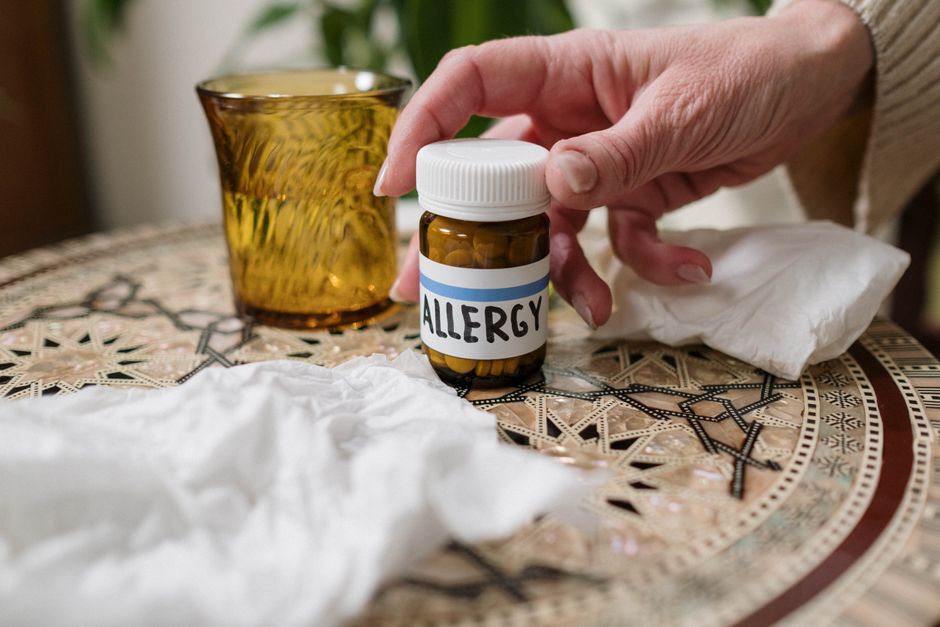
Allergy treatment is not one-size-fits-all. You might start with a nasal spray from the drugstore and end up with a shot in a doctor’s office years later. The path from sprays to shots is a real progression that many people follow. This article explains how each option works, what the evidence actually says, and how to know when it is time to move to the next step. No hype. Just the facts.
How Do Allergy Nasal Sprays Work and Which Ones Actually Help?
Nasal sprays are usually the first line of defense for seasonal allergies. The most effective ones are corticosteroid sprays. Brands like fluticasone (Flonase) and triamcinolone (Nasacort) are now available over the counter. Research published in the Journal of Allergy and Clinical Immunology shows these sprays reduce inflammation in the nasal passages directly.
They work best when used daily before symptoms start. Many people make the mistake of using them only when they feel terrible. That is like waiting for a fire to spread before calling the fire department. The CDC recommends starting sprays two weeks before pollen season begins if you know your triggers.
Antihistamine sprays like azelastine (Astelin) are also available. Some studies suggest they work faster than steroid sprays for immediate symptom relief. But they can cause drowsiness in some people. Combination sprays that include both a steroid and an antihistamine exist by prescription only.
Salt water rinses are not the same as medicated sprays. They flush out pollen and mucus but do not stop the allergic reaction. They are safe and helpful as a complement to medication but should not replace it.
When Should You Add Antihistamine Pills to Your Routine?
Oral antihistamines like cetirizine (Zyrtec), loratadine (Claritin), and fexofenadine (Allegra) target histamine throughout your whole body. They help with sneezing, itchy eyes, and hives. Nasal sprays only treat the nose. If your eyes are also bothering you, pills make sense.
First-generation antihistamines like diphenhydramine (Benadryl) work but cause significant drowsiness. The American Academy of Allergy, Asthma & Immunology advises against using them for routine allergy control. They are better reserved for emergency allergic reactions or severe hives.
Newer antihistamines are non-drowsy for most people. But some people still feel tired on cetirizine. If that happens, try fexofenadine or loratadine instead. Individual response varies. There is no single best antihistamine for everyone.
One non-obvious point: antihistamine pills do not work well for nasal congestion. They dry out mucus but do not reduce the swelling inside your nose. That is why combining a pill with a nasal spray often works better than either alone.
How To Take Care Of Allergies From Sprays To Shots: The Full Progression
The standard medical approach to How To Take Care Of Allergies From Sprays To Shots follows a clear ladder. Step one is avoiding triggers. Step two is over-the-counter medications like sprays and pills. Step three is prescription-strength versions of those same medications. Step four is immunotherapy — allergy shots or drops.
Allergy shots, also called subcutaneous immunotherapy, are the most effective treatment for moderate to severe allergies. The American College of Allergy, Asthma & Immunology states that shots can reduce symptoms by 60 to 80 percent. They work by exposing your immune system to tiny amounts of what you are allergic to. Over time, your body stops overreacting.
Shots are not a quick fix. They require a commitment of three to five years. You start with a build-up phase where you get shots once or twice a week for several months. Then you move to a maintenance phase with shots every three to four weeks. Most people notice improvement within the first year.
Sublingual immunotherapy, or allergy drops under the tongue, is another option. Evidence indicates it works well for grass and ragweed allergies. It is less effective for multiple allergies at once. The FDA has approved tablets for specific allergens but not custom drops. Some doctors prescribe custom drops off-label anyway. The evidence for their effectiveness is mixed.





What Does Research on Allergy Shots Show About Long-Term Results?
Research published in JAMA found that people who complete a full course of allergy shots have lasting benefits even after stopping treatment. The immune system remembers what it learned. This is called disease modification. It is different from medications that only manage symptoms while you take them.
One study followed children who received allergy shots for three years. Ten years later, they still had significantly fewer allergy symptoms compared to children who did not get shots. They also had a lower rate of developing asthma. This is a real finding from a long-term study published in the Journal of Allergy and Clinical Immunology.
Not everyone responds equally. About 20 to 30 percent of people do not get significant relief from shots. Predictors of poor response include severe allergies, ongoing exposure to high levels of allergens, and not following the schedule consistently. If you miss maintenance doses, your immune system can lose tolerance.
Shots are not a cure. They are a treatment that changes how your immune system reacts. You may still need occasional medications for breakthrough symptoms. But many people find they can stop daily pills and sprays entirely after a year or two of shots.
What Are the Side Effects and Risks of Different Allergy Treatments?
Nasal sprays are generally safe. The most common side effects are nosebleeds, dryness, and irritation. These happen because the spray irritates the lining of your nose. Using the spray correctly — pointing it away from the center of your nose — reduces these problems. Long-term use of steroid sprays at recommended doses does not cause systemic side effects in adults.
Antihistamine pills cause dry mouth and drowsiness in some people. Cetirizine is more likely to cause drowsiness than loratadine or fexofenadine. None of them are dangerous at normal doses. Taking more than the recommended dose does not give more relief. It only increases side effects.
Allergy shots carry a risk of serious allergic reactions. That is why you must wait 30 minutes in the clinic after each shot. Severe reactions like anaphylaxis are rare — about 1 in 1000 injections. But they can happen even in people who have tolerated shots before. This is not a treatment you can do at home.
Allergy drops have a much lower risk of severe reactions. No deaths have been reported from sublingual immunotherapy. But mild side effects like mouth itching and swelling are common. These usually go away within a few weeks.
| Treatment | Onset of Relief | Common Side Effects | Risk of Severe Reaction | Duration of Treatment |
|---|---|---|---|---|
| Nasal steroid spray | 1-2 weeks | Nosebleeds, dryness | Very low | As needed per season |
| Antihistamine pill | 1-2 hours | Drowsiness, dry mouth | Very low | As needed |
| Allergy shots | 3-6 months | Local swelling, itching | Rare but serious | 3-5 years |
| Allergy drops | 3-6 months | Mouth itching | Extremely low | 3-5 years |
Common Misconceptions About Allergy Treatment That Cause Problems
Many people believe allergy shots are only for severe cases. That is not accurate. The National Institutes of Health states that anyone with moderate to severe allergic rhinitis who does not get adequate relief from medications is a candidate. You do not need to suffer for years before considering shots.
Another misconception is that you can stop taking allergy medications once you start shots. This is false in the beginning. Shots take months to start working. You still need medications during the build-up phase. The goal is to reduce your medication use over time, not stop immediately.
Some people think they can build tolerance by eating local honey. This is widely claimed though strong evidence is limited. The theory is that honey contains local pollen. But the pollen in honey is mostly from flowers that bees visit, not from wind-pollinated plants like ragweed and grass that cause most allergies. No clinical trial has shown honey to be effective for seasonal allergies. Do not replace your medication with honey.
There is also a belief that allergy shots are painful. They are given with a very fine needle similar to a TB skin test. Most people describe them as a mild pinch. The injection site may itch for a few hours afterward. It is not the same as getting a vaccine in your arm muscle.
Frequently Asked Questions
Frequently Asked Questions
Can I use a nasal spray and an antihistamine pill together?
Yes, they work well together because they target different parts of the allergic response. The spray treats nasal inflammation while the pill controls whole-body histamine reactions.
How long do I need to take allergy shots before I see results?
Most people notice improvement within three to six months of starting the build-up phase. Full benefits usually appear after the first year of maintenance shots.
Are allergy drops as effective as allergy shots?
Allergy drops are slightly less effective than shots for most people but have a much lower risk of severe reactions. They are a good option for people who cannot tolerate needles or have had reactions to shots.
Can children get allergy shots?
Yes, children as young as five years old can receive allergy shots. Research shows early treatment may reduce their risk of developing asthma later in life.
