
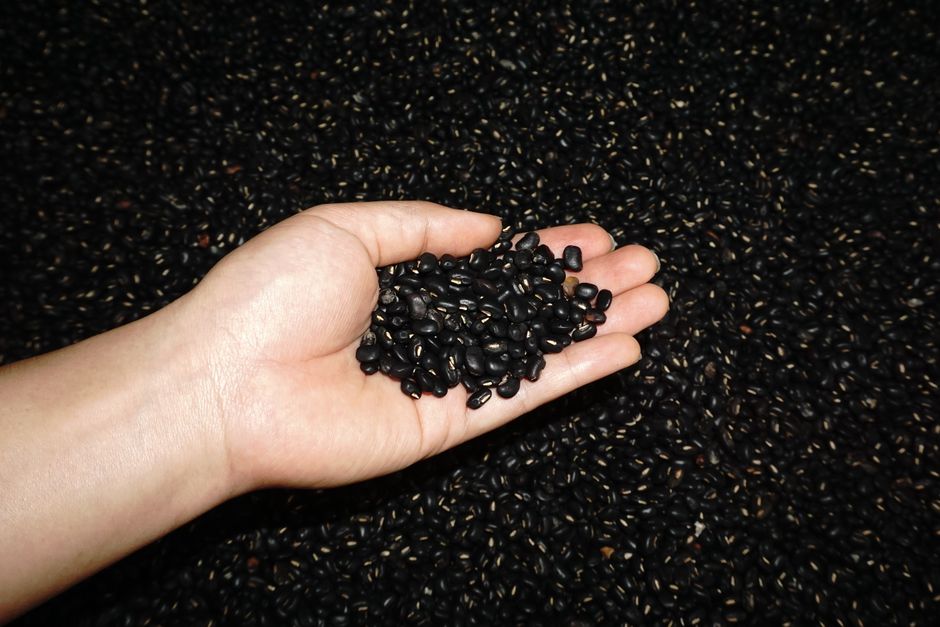
Black beans are not keto-friendly in standard portions. A half-cup serving of cooked black beans contains about 20 grams of net carbs. Most keto diets limit total daily carbs to 20-50 grams. That single serving uses up nearly your entire carb budget for the day. This does not mean black beans are bad for you. They are packed with fiber, protein, and nutrients. But for strict keto, the math does not work out well.
Are Black Beans Keto Friendly or Not?
The short answer is no. Black beans are a legume. Legumes are starchy vegetables. Starch is a carbohydrate. The keto diet works by keeping carbohydrates very low. This forces your body to burn fat for energy instead of glucose. Black beans contain too many carbs for this process to happen smoothly.
A 100-gram serving of cooked black beans has about 8 grams of fiber and 21 grams of total carbs. That leaves 13 grams of net carbs. For someone eating 20 net carbs per day, that is more than half their allowance. You would have almost no room for vegetables, nuts, or dairy. Most people find this impractical.
Some people ask about small portions. A quarter-cup of black beans has about 10 grams of net carbs. That is still a significant amount. You could fit it in if you planned carefully. But it would crowd out other nutrient-dense foods that fit keto better, like leafy greens or cauliflower.
How Many Net Carbs Are in Black Beans?
Net carbs are total carbohydrates minus fiber. Fiber does not raise blood sugar, so keto dieters subtract it. Black beans have a meaningful amount of fiber, but not enough to make them keto-safe.
Here is the breakdown for common serving sizes of cooked black beans:
- ¼ cup: 5 grams fiber, 10 grams net carbs
- ½ cup: 8 grams fiber, 20 grams net carbs
- 1 cup: 15 grams fiber, 40 grams net carbs
- 1 tablespoon: 1 gram fiber, 2.5 grams net carbs
A single tablespoon might work for some people. But that is a garnish, not a meal. Most people eating black beans want a serving that feels satisfying. That is usually at least half a cup. And half a cup is more carbs than many keto eaters consume in an entire day.
Compare black beans to other keto-friendly vegetables. A full cup of cooked broccoli has about 4 grams of net carbs. A cup of spinach has about 1 gram. Black beans are in a completely different category. They belong with foods like potatoes, rice, and oats in terms of carb density.
What Does Research on Black Beans and Keto Show?
Research on black beans specifically for keto is limited. There are no large studies testing whether black beans help or hurt ketosis. What exists is research on carbohydrate restriction and blood sugar management.
A 2018 study published in Diabetes Therapy looked at legume consumption in people with type 2 diabetes. It found that replacing white rice with legumes like black beans improved blood sugar control. That is good for general health. But the study was not done on a ketogenic diet. Participants were eating a moderate-carb diet.
The American Diabetes Association includes beans in its recommended foods. The CDC also lists beans as a healthy carbohydrate source. These recommendations are for standard diets, not keto. For people who are not restricting carbs, black beans are excellent. They provide protein, iron, magnesium, and folate.
On a strict keto diet, the concern is not whether black beans are healthy. They are. The concern is whether they allow your body to stay in ketosis. Research on ketosis shows that most people need to stay under 50 grams of total carbs per day. Some need to stay under 20 grams. Black beans make that very difficult.




Can You Eat Black Beans on a Modified Keto Diet?
Some people follow a less strict version of keto. This is sometimes called lazy keto or modified keto. Carb limits may be higher, around 50-100 grams per day. In that case, black beans might fit occasionally.
If you are eating 75 grams of net carbs per day, half a cup of black beans uses about a third of your budget. You could make that work. But you would need to be careful with every other food you eat that day. No bread, no rice, no fruit, no starchy vegetables.
There is also the question of bean type. Some beans are lower in carbs than others. Here is a comparison of common beans per half-cup cooked serving:
| Bean Type | Fiber | Net Carbs |
|---|---|---|
| Black beans | 8 g | 20 g |
| Pinto beans | 7 g | 22 g |
| Chickpeas | 6 g | 22 g |
| Kidney beans | 8 g | 19 g |
| Green beans | 2 g | 4 g |
Notice green beans are very different. Green beans are not dried beans. They are immature pods. They are much lower in carbs and are widely considered keto-friendly. Black beans are not in the same category.
What Are the Best Keto Substitutes for Black Beans?
If you want the texture and heartiness of black beans without the carbs, there are options. None taste exactly the same. But several work well in recipes.
Black soybeans are the closest substitute. They are a different type of soybean. A half-cup has about 2 grams of net carbs. They have a similar color and texture to black beans. You can find them canned or dried. They work in soups, chili, and salads. The taste is milder than black beans, but most people find it acceptable.
Chopped avocado can replace black beans in salads and bowls. It provides healthy fats and a creamy texture. It has almost no carbs.
Cooked mushrooms chopped into small pieces mimic the texture of beans in chili and stews. Portobello or cremini mushrooms work best. They absorb flavors well and add umami.
Cauliflower florets pulsed in a food processor create a rice-like texture. This works as a base for dishes that normally use beans. It is not a direct substitute, but it fills the same role in a meal.
Some companies make low-carb imitation beans from konjac root or other fibers. These are widely available online. Check the label for net carbs. Some products claim to be low-carb but still contain significant starch.
Common Misconceptions About Black Beans and Keto
A common myth is that soaking or sprouting black beans removes the carbs. This is not true. Soaking reduces compounds that cause gas. It does not change the carbohydrate content. Sprouted black beans have slightly more fiber, but the net carb count is still about 15 grams per half-cup.
Another misconception is that black beans are a protein source for keto. They do contain protein, about 7-8 grams per half-cup. But they also bring 20 grams of net carbs. For comparison, a 3-ounce serving of chicken has 26 grams of protein and zero carbs. If you need protein on keto, meat, eggs, and tofu are much better choices.
Some people believe that because black beans have a low glycemic index, they are fine for keto. The glycemic index measures how fast a food raises blood sugar. Black beans score low, around 30. That is good for blood sugar control. But the total carb load still matters. Even slow-digesting carbs add up. Ketosis requires low total carb intake, not just low glycemic index foods.
A third myth is that fiber cancels out carbs entirely. Fiber subtracts from total carbs to get net carbs. But the body still processes some fiber. And the remaining starch in black beans is substantial. Fiber cannot erase 20 grams of starch.
Frequently Asked Questions
Frequently Asked Questions
Can I eat black beans in small amounts on keto?
Yes, but only in very small amounts like one or two tablespoons. A full serving will likely exceed your daily carb limit.
Are canned black beans keto-friendly?
Canned black beans have the same carb count as dried cooked beans. Rinsing them removes some sodium but not carbohydrates.
What beans can I eat on keto?
Green beans and black soybeans are keto-friendly. All other common beans like pinto, kidney, and chickpeas are too high in carbs.
Do black beans kick you out of ketosis?
For most people, yes. A half-cup serving contains enough net carbs to stop ketosis for 24-48 hours depending on your individual tolerance.
