
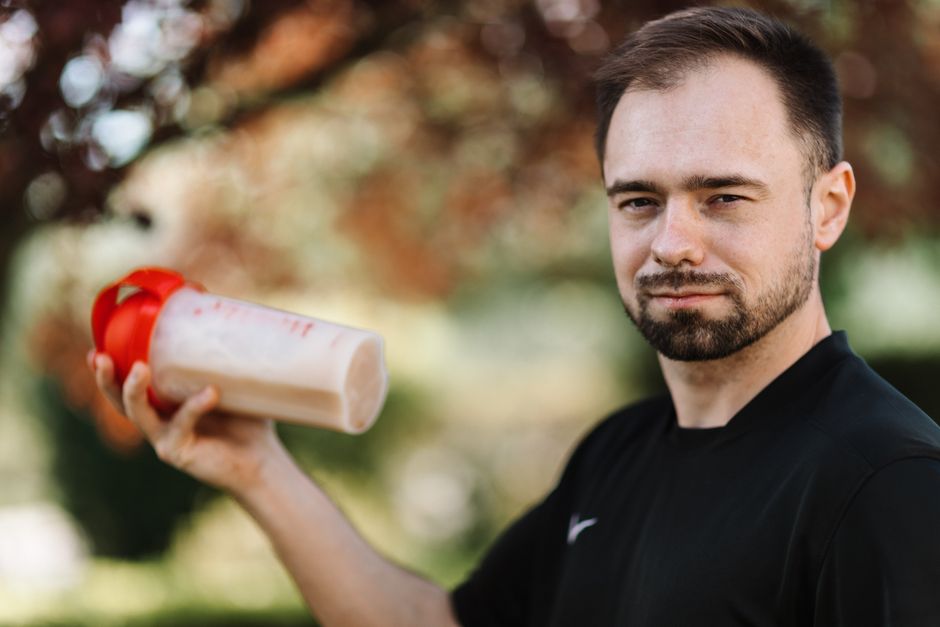
Protein shakes are generally safe and effective for most healthy adults when used to meet daily protein needs, support muscle recovery after exercise, or manage weight. They are not magic, and they are not necessary if you already get enough protein from whole foods. The real question is whether you need one, what is in the powder you choose, and how it fits into your overall diet.
What Does Protein Powder Actually Do in Your Body?
Protein is made of amino acids. Your body uses these to build and repair muscle, make enzymes, and support immune function. When you eat protein, it is broken down into amino acids and absorbed into the bloodstream. Your muscles then use those amino acids to repair damage from exercise and to grow stronger over time.
Protein shakes are simply a concentrated source of protein. They deliver amino acids faster than most whole foods because they are already broken down into a powder that mixes easily with liquid. That speed matters most in the hour or two after a workout, when your muscles are primed to use protein for repair.
Your body can only use so much protein at one time for muscle building. Extra protein beyond what your body needs is either used for energy or stored as fat. This is a key point. Drinking more protein shakes does not automatically build more muscle. Total daily protein intake matters more than any single shake.
How Much Protein Do You Actually Need?
The average sedentary adult needs about 0.8 grams of protein per kilogram of body weight per day. For a 150-pound person, that is about 54 grams. Most Americans already eat this much without trying.
Active people need more. Research consistently shows that people who exercise regularly benefit from 1.2 to 2.0 grams per kilogram of body weight daily. A 175-pound person who lifts weights would need roughly 95 to 160 grams of protein per day. That is a wide range, and your specific needs depend on the type and intensity of your training.
Older adults also have higher protein needs. Age-related muscle loss, called sarcopenia, begins around age 40. Studies suggest that people over 65 may benefit from 1.0 to 1.2 grams per kilogram daily to help preserve muscle mass and strength. A protein shake can be a convenient way to close that gap, especially if appetite is low.
If you are getting enough protein from food, a shake is not necessary. If you are short on time, struggle to eat enough, or train hard, a shake is a practical solution.
Are Protein Shakes Good For You Benefits And Risks: The Full Picture
Protein shakes offer real benefits, but they also come with caveats. Here is the honest breakdown.
Benefits that are well supported:
- Muscle recovery after resistance training. Studies show that consuming protein after exercise improves muscle protein synthesis, which is the process of building new muscle tissue.
- Weight management. Protein is the most filling macronutrient. Replacing a high-calorie meal with a protein shake can reduce total daily calorie intake and help with fat loss.
- Convenience. A shake takes two minutes to prepare. For people with busy schedules, it is often the difference between getting enough protein and falling short.
- Consistency. A scoop of powder has a predictable amount of protein. This makes it easier to track intake if you are counting macros or trying to hit a specific target.
Risks and downsides to consider:
- Added sugar. Many commercial shakes are sweetened with sugar, honey, or fruit concentrates. Some contain 20 to 30 grams of sugar per serving, which is essentially a dessert. Read the label.
- Digestive issues. Whey protein can cause bloating, gas, or stomach cramps in people who are lactose intolerant. Plant-based proteins are easier on the digestive system for many people.
- Heavy metals and contaminants. Independent testing has found trace amounts of lead, cadmium, and arsenic in some protein powders. The levels are generally below safety thresholds, but the industry is not tightly regulated.
- Cost. Quality protein powders are not cheap. A tub that lasts a month can cost $30 to $60. Whole food protein sources are often more affordable.
The evidence does not support the idea that protein shakes are harmful for healthy people. The evidence also does not support the idea that they are superior to whole foods. They are a tool, not a requirement.





Whey vs. Plant-Based: Does the Type Matter?
Whey protein is the most studied type. It comes from milk and contains all nine essential amino acids. It is absorbed quickly and is particularly effective after workouts. Research consistently shows that whey supports muscle growth effectively.
Casein is the other milk protein. It digests slowly and is often taken before bed to provide a steady release of amino acids overnight. Some evidence suggests this helps with overnight muscle repair, but the effect is modest.
Plant-based proteins come from peas, rice, soy, or hemp. Pea protein is the most common and contains a good amino acid profile. Soy protein is complete and well studied. Rice protein is lower in one essential amino acid called lysine, but blends of rice and pea protein solve that problem.
For most people, the type of protein matters less than the total amount and timing. A 2023 review comparing whey and plant proteins found similar effects on muscle growth when total protein intake was matched. Choose the one that fits your dietary preferences and digestive tolerance.
When Should You Drink a Protein Shake?
Timing is less critical than total intake. The old idea that you have a 30-minute “anabolic window” after exercise is outdated. Research now shows that muscle protein synthesis stays elevated for up to 24 hours after a workout. What matters is that you eat enough protein throughout the day.
That said, having protein shortly after a workout is practical. It ensures you get the nutrients your muscles need while they are primed for repair. If you train in the morning and do not eat until lunch, a shake after training is a smart choice.
Some people use protein shakes as meal replacements. This works for weight loss, but it is not ideal long term. Whole foods contain fiber, vitamins, and phytochemicals that shakes lack. If you replace more than one meal per day with a shake, you are likely missing out on important nutrients.
What to Look For in a Protein Powder
Choosing a safe and effective product requires reading the label carefully.
Look for a powder with 20 to 30 grams of protein per serving. This is the range shown in studies to maximally stimulate muscle protein synthesis in most adults. More than 30 grams per serving does not provide additional benefit.
Check the sugar content. Aim for fewer than 5 grams of added sugar per serving. If the powder is flavored and sweet, it likely contains artificial sweeteners or sugar alcohols, which can cause digestive discomfort in some people.
Look for third-party testing. Brands that pay for independent testing, such as NSF Certified for Sport or Informed Choice, undergo additional scrutiny for banned substances and contaminants. This matters most for competitive athletes, but it is a good quality signal for anyone.
Choose a protein source you tolerate. If dairy causes bloating, try pea or soy protein. If you are vegan, plant-based powders are the only option. If you have a food allergy, check the label for cross-contamination warnings.
Can Protein Shakes Help You Lose Weight?
Protein shakes can support weight loss, but they are not a fat burner. They work by increasing fullness and reducing overall calorie intake.
Protein is more satiating than carbohydrates or fat. This means you feel full longer after eating it. When you replace a high-calorie breakfast with a protein shake, you are likely to eat fewer calories later in the day. Some research suggests this effect is real but modest.
The bigger factor is what else you eat. If you drink a protein shake but continue eating the same amount of food, you will not lose weight. The shake only helps if it replaces other calories or helps you eat less overall.
There is no evidence that protein shakes specifically target belly fat or speed up metabolism beyond what any protein-rich food would do. Treat them as a calorie control tool, not a weight loss solution on their own.
Are There People Who Should Avoid Protein Shakes?
Most healthy adults can drink protein shakes safely. Some groups need to be more careful.
People with kidney disease should avoid high protein intakes unless their doctor says otherwise. Damaged kidneys have trouble filtering the waste products of protein breakdown. This is not a concern for healthy people, but it is critical for those with diagnosed kidney problems.
People with lactose intolerance should avoid whey protein concentrate, which contains lactose. Whey protein isolate has much less lactose and is often well tolerated. Plant-based proteins avoid the issue entirely.
Pregnant and breastfeeding women can consume protein shakes, but no specific guidelines exist for this population. It is safest to get protein from whole foods during pregnancy and to check with a healthcare provider before using supplements.
Children generally do not need protein shakes. Their protein needs are met by a normal diet. Giving children protein supplements without medical reason is unnecessary.
Common Protein Shake Myths, Debunked
Myth: Protein shakes damage your kidneys. No. Healthy kidneys handle high protein intakes without issue. This myth comes from the fact that people with existing kidney disease must limit protein. For healthy people, there is no evidence of harm.
Myth: Protein shakes make you bulky. No. Muscle growth requires resistance training and a calorie surplus. Drinking protein shakes without lifting weights will not make you look muscular. Women especially do not need to worry about this.
Myth: You need protein within 30 minutes of working out. No. The window is much wider. Total daily protein intake matters more than precise timing.
Myth: More protein is always better. No. Excess protein is converted to energy or stored as fat. It does not build extra muscle beyond a certain point.
Whole Foods vs. Protein Shakes: Which Is Better?
Whole foods are generally better. Chicken breast, fish, eggs, Greek yogurt, beans, and lentils provide protein along with other nutrients. They contain fiber, vitamins, minerals, and antioxidants that protein powders do not.
Protein shakes are better in specific situations. They are faster, more portable, and easier to consume when appetite is low. They are also useful for people who struggle to chew or swallow, such as older adults.
The ideal approach for most people is food first, shakes as a supplement. Use a shake when you need convenience or are falling short of your protein target. Do not replace whole food meals with shakes unless you have a specific reason.
Frequently Asked Questions
Can you drink protein shakes every day?
Yes, healthy adults can drink protein shakes daily without harm. The key is that the shake fits within your total daily protein and calorie needs.
Do protein shakes make you gain weight?
Protein shakes can cause weight gain if they push you into a calorie surplus. They only cause weight gain when you consume more calories than your body burns.
Are protein shakes safe for women?
Yes, protein shakes are safe for women and do not cause masculine-looking muscles. Women benefit from adequate protein intake for muscle maintenance and recovery just like men.
What is the best time to drink a protein shake?
Any time of day works if you are meeting your total protein needs. Drinking one after a workout is convenient and supports muscle repair, but the overall daily intake matters more than timing.
