
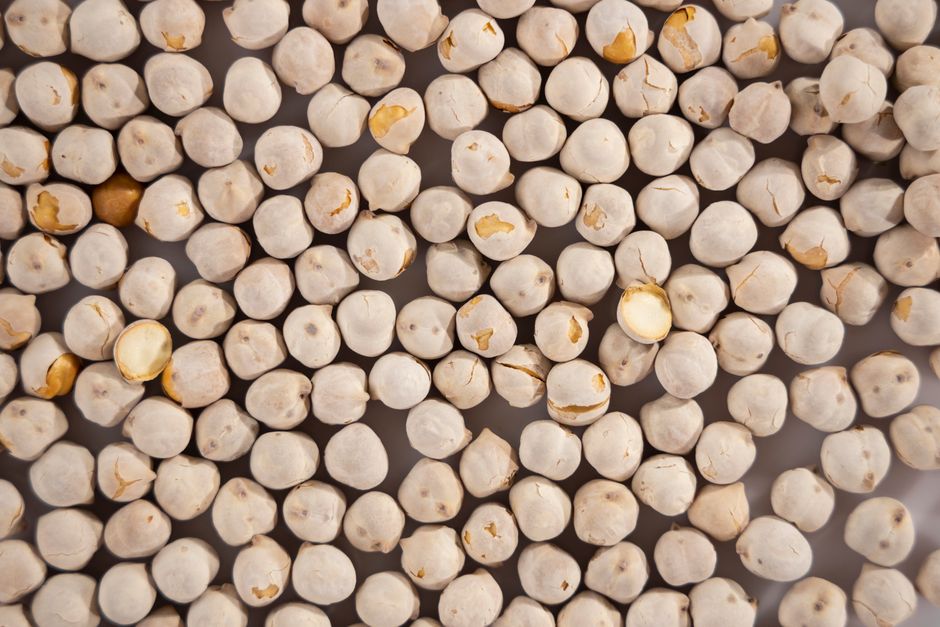
Chickpeas deliver about 7 to 8 grams of protein in a half-cup serving of canned, drained chickpeas, and roughly 12 to 15 grams in a full cup. That puts them in a similar range to other legumes and noticeably below most meats, though the exact number shifts depending on whether you are measuring canned, dried, or cooked-from-dry chickpeas. Here is how the numbers actually break down, and why the comparison matters more than the headline figure.
How Much Protein In Chickpeas Servings Compared?
A half-cup of canned chickpeas, drained and rinsed, contains about 7 grams of protein. A full cup lands around 14 grams. Cooked dried chickpeas fall in roughly the same range, because canning and home cooking both add water without adding protein.
The serving size is where most confusion starts. A can of chickpeas typically holds about 1.5 cups of drained beans. If you eat the whole can, you are getting closer to 20 grams of protein, not 7. People who glance at a nutrition label and see “7 grams” often assume that is the whole can. It is not.
Here is the comparison most people actually want:
| Serving | Protein |
|---|---|
| 1/2 cup canned chickpeas (drained) | ~7 g |
| 1 cup canned chickpeas (drained) | ~14 g |
| 1/2 cup cooked dried chickpeas | ~7 g |
| 1 cup cooked dried chickpeas | ~14 g |
| 2 tablespoons chickpea flour | ~5 g |
These figures come from established USDA nutritional data for chickpeas. The variation between brands is small, usually within a gram per serving.
How Do Chickpeas Compare to Other Protein Sources?
Chickpeas are a solid plant protein, but they are not a direct swap for meat, eggs, or dairy on a gram-for-gram basis. A 3-ounce serving of cooked chicken breast contains roughly 26 grams of protein. The same weight of chickpeas delivers about 8 grams. That gap is real and worth understanding before you plan meals around it.
Against other plant foods, chickpeas hold up reasonably well. A half-cup of cooked lentils has about 9 grams of protein. A half-cup of black beans has around 7 to 8 grams. Firm tofu offers about 10 grams per half-cup. Edamame comes in higher, near 9 grams per half-cup. Chickpeas sit comfortably in the middle of the legume pack.
The more useful comparison may be protein per calorie. Chickpeas provide roughly 7 grams of protein per 130 calories. Chicken breast provides about 26 grams per 130 calories. If protein density is your goal, animal foods win. If you are eating chickpeas for fiber, folate, and iron alongside protein, the picture changes.
Is Chickpea Protein Complete?
Chickpeas are not a complete protein on their own. Like most legumes, they are low in methionine, an essential amino acid. Grains tend to be low in lysine, which chickpeas have in reasonable amounts. Eating them together covers the gap.
This does not require careful planning at every meal. The old idea that you must combine complementary proteins in the same sitting has been revised. Your body maintains a pool of amino acids, and eating a variety of plant proteins across the day generally covers your needs. Rice with chickpeas, whole wheat pita with hummus, or chickpea pasta with a grain side all work.
The practical takeaway: chickpeas are a good protein source, not a complete one. They work best as part of a varied diet rather than as your only protein.



Does Cooking Change the Protein in Chickpeas?
Cooking does not destroy protein in chickpeas, but it does change the weight and volume you are measuring. Dried chickpeas roughly double or triple in weight after soaking and cooking because they absorb water. A cup of dried chickpeas yields about 2.5 cups cooked.
That means 100 grams of dried chickpeas and 100 grams of cooked chickpeas do not contain the same protein. The cooked version has less protein per gram because water has diluted the density. Nutrition labels account for this by listing values for the cooked or canned form, which is what you actually eat.
One more thing worth knowing: canned chickpeas are already cooked. Rinsing them does not remove meaningful protein. It does reduce sodium, often by a substantial amount, which matters if you are watching salt intake.
How Much Protein Do You Actually Need?
The Recommended Dietary Allowance for protein is 0.8 grams per kilogram of body weight per day for most healthy adults. For a 150-pound person, that is about 54 grams daily. A cup of chickpeas covers roughly a quarter of that.
Some groups may need more. Older adults, people recovering from illness, and those doing intense strength training often benefit from higher intakes, though the exact amount is debated. Athletes and active adults are frequently advised to aim higher than the RDA, but specific targets vary by source and individual.
If you are relying on chickpeas as a main protein source, you would need to eat a substantial amount to hit 54 grams. That is roughly 3.5 to 4 cups. Most people use chickpeas as one part of a broader diet, not as their sole protein, and that is a reasonable approach.
What Else Do Chickpeas Provide?
Protein is only part of the story. A cup of chickpeas also delivers about 12 grams of fiber, which is roughly a third to half of what most adults need daily. Fiber supports digestive health and helps with blood sugar control. That combination of protein and fiber is why chickpeas keep you full longer than their protein content alone would suggest.
They also provide folate, iron, and manganese. The iron in chickpeas is non-heme iron, which your body absorbs less efficiently than the iron in meat. Pairing chickpeas with a source of vitamin C, like tomatoes or bell peppers, can improve absorption.
One caution: chickpeas contain compounds called phytates that can reduce absorption of some minerals. This matters more for people whose diets rely heavily on legumes and grains. For most people eating a varied diet, it is not a concern.
Frequently Asked Questions
How much protein is in one cup of chickpeas?
One cup of cooked or canned, drained chickpeas contains about 14 grams of protein. This figure comes from USDA nutritional data and is consistent across most brands.
Are chickpeas a good source of protein?
Chickpeas are a moderate plant protein source, providing about 7 grams per half-cup. They are not as protein-dense as meat, eggs, or tofu, but they offer fiber and micronutrients alongside the protein.
Do chickpeas have more protein than eggs?
No. One large egg has about 6 grams of protein, and a half-cup of chickpeas has about 7 grams, so they are close in that comparison. Per calorie, eggs are more protein-dense.
Can I get enough protein from chickpeas alone?
It is possible but difficult, since you would need roughly 3.5 to 4 cups daily to meet typical adult protein needs. Chickpeas lack sufficient methionine, so they work best combined with grains and other protein sources.
