
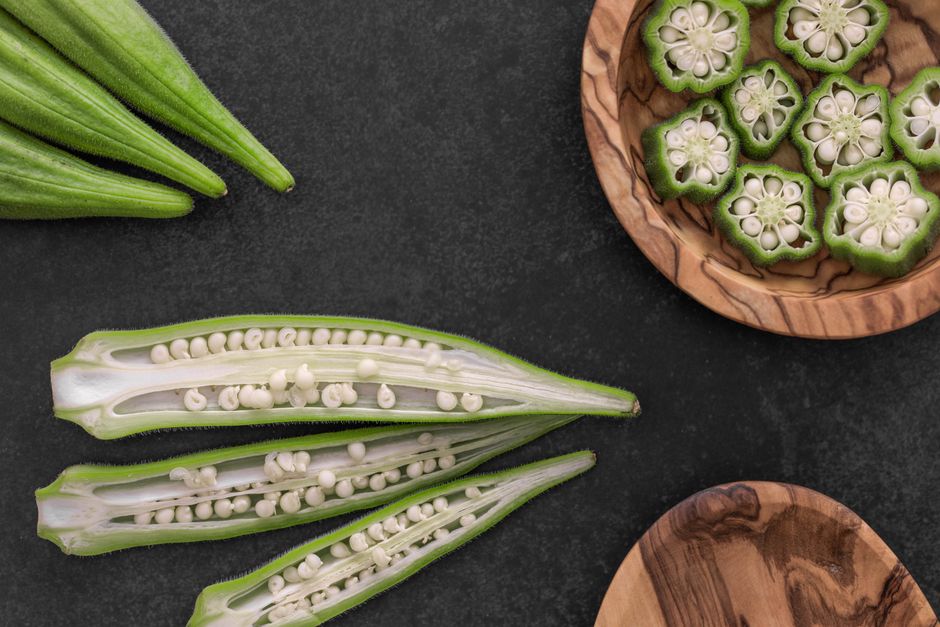
Yes, okra seeds are edible, and they are a nutritious part of the vegetable that most people throw away. The seeds are the small, white pearls found inside the okra pod. While the pod is the part most people cook and eat, the seeds are completely safe to consume and offer a surprising amount of nutrition. You can eat them raw inside the pod, cook them with the pod, or even dry and grind them into a flour or coffee substitute.
Are Okra Seeds Safe To Eat?
Yes, okra seeds are safe for almost everyone to eat. They are a natural part of the plant and do not contain any toxins. The seeds are most commonly consumed when the pod is young and tender, which is how most people buy okra at the grocery store. In this state, the seeds are soft and cook right along with the pod.
If you let an okra pod mature fully on the plant, the seeds become hard and dry. These mature seeds are still edible, but they are not pleasant to bite into. Instead, you can dry them completely and grind them into a powder. This powder has been used for decades as a caffeine-free coffee substitute and as a thickener for soups and stews.
The only real concern for some people is the texture. Okra is famous for its mucilage, a thick, slimy substance that is released when cooked. The seeds are not the source of the slime, but they are surrounded by it. If you do not like the texture of okra, you might prefer to eat the seeds in a dried or roasted form rather than cooked inside the pods.
What Are The Nutritional Benefits Of Okra Seeds?
The entire okra pod, including the seeds, is a nutrient-dense food. Okra is an excellent source of dietary fiber, vitamin C, vitamin K, and folate. It also provides magnesium and potassium. Because the seeds are a concentrated part of the pod, they contain a good share of these nutrients.
Research published in the Journal of Food Biochemistry has looked specifically at okra seeds. Studies have found that the seeds are rich in protein and healthy fats, including linoleic acid, which is an essential omega-6 fatty acid. The seeds also contain significant amounts of antioxidants, particularly flavonoids and polyphenols. These compounds help protect your cells from damage caused by free radicals.
One of the most interesting areas of research involves the seed’s oil. Okra seed oil contains a mix of fatty acids that is somewhat similar to olive oil. Some preliminary research suggests this oil might have heart-healthy benefits, though most of this work has been done in animal models or in the lab, not in large human trials. The evidence is promising, but it is not yet conclusive enough to make specific health claims about the oil.
For most people, the practical benefit is simpler. Eating the seeds adds extra fiber and protein to your diet without adding any extra cost or waste. You get the full nutritional value of the vegetable when you eat the seeds along with the pod.
How Do You Eat Okra Seeds?
There are several simple ways to include okra seeds in your diet. The easiest method is to do nothing at all. When you cook a whole okra pod, you are cooking the seeds. They are soft and edible right inside the pod. This is the most common way people consume them without even realizing it.
If you want to eat the seeds on their own, you have a few options:
Roasted Seeds: You can remove the seeds from mature pods and roast them in a dry pan or in the oven. Roasting them at a low temperature until they are brown and crispy makes them taste similar to roasted pumpkin seeds. They become crunchy and can be eaten as a snack or sprinkled over salads.
Ground Seed Powder: Dried okra seeds can be ground in a coffee grinder or food processor. This powder can be added to smoothies, yogurt, or baked goods. It acts as a mild thickener and adds a nutty flavor.
Coffee Substitute: Roasted and ground okra seeds have a dark, rich color and a slightly bitter, roasted flavor. For this reason, they have traditionally been brewed as a caffeine-free coffee substitute. You can use them in a French press or a regular coffee maker just like you would ground coffee.
In Soups and Stews: The ground powder can be stirred into soups or stews to thicken them, similar to how you would use cornstarch or flour. This works well because the mucilage in the okra naturally adds body to liquids.





Can You Eat Okra Seeds Raw?
Yes, you can eat okra seeds raw. When the pod is young and tender, the seeds are soft, pale, and mild in flavor. They are perfectly safe to eat straight from the pod. This is common in salads or when eating okra raw with a dip.
Mature seeds are also safe to eat raw, but they are very hard. Biting into them can be uncomfortable and could potentially damage your teeth. If you have mature seeds, it is better to cook, roast, or grind them before eating. Cooking also makes the nutrients easier for your body to absorb in some cases, though there is no specific research showing a major difference for raw versus cooked okra seeds.
Are There Any Risks Or Side Effects?
For the general population, there are no significant risks associated with eating okra seeds. They are a normal part of a commonly eaten vegetable. The main side effect to be aware of is digestive discomfort. Because okra seeds are high in fiber, eating a very large amount at once could cause gas, bloating, or cramping. This is true of any high-fiber food. If you are not used to eating a lot of fiber, start with a small amount and increase gradually.
There is one specific interaction to be aware of. Okra is high in vitamin K, which plays a role in blood clotting. If you take a blood-thinning medication like warfarin, you need to keep your vitamin K intake consistent. Suddenly eating large amounts of okra or okra seeds could interfere with your medication. If you take a blood thinner, talk to your doctor before making okra a regular part of your diet.
Another consideration is oxalates. Like many vegetables, okra contains oxalates. For most people, this is not a problem. However, people who are prone to kidney stones, specifically calcium oxalate stones, may need to limit their intake of high-oxalate foods. Okra is not the highest source of oxalates, but it is worth mentioning if you have a history of kidney stones.
Are Okra Seeds Good For Weight Loss?
Okra seeds can be a helpful addition to a weight loss diet, but they are not a magic solution. The seeds are high in fiber and contain some protein. Fiber helps you feel full for longer after a meal, which can naturally reduce your total calorie intake. The protein also contributes to satiety.
There is no clinical evidence that okra seeds specifically cause weight loss. No study has shown that eating okra seeds burns fat or speeds up your metabolism. The benefit comes from the fact that they are a low-calorie, high-fiber food that can replace less nutritious snacks. If you swap a bag of chips for a handful of roasted okra seeds, you will likely feel full on fewer calories. That is the mechanism by which they could help with weight management.
The ground seed powder can also be used as a thickener in recipes. This allows you to reduce the amount of oil or cream you use, cutting calories without sacrificing texture. This is a practical way to use the seeds to support a weight management goal, but the effect is indirect.
Frequently Asked Questions
Do okra seeds have to be removed before cooking?
No, you do not need to remove okra seeds before cooking. The seeds are soft and edible when the pod is young. Cooking the whole pod is the standard and easiest way to eat them.
What do okra seeds taste like?
Young okra seeds taste very mild and slightly grassy, similar to the pod itself. When roasted or ground, they develop a nutty, earthy flavor that is often compared to roasted coffee or pumpkin seeds.
Can okra seeds be used as a coffee substitute?
Yes, dried and roasted okra seeds can be ground and brewed like coffee. The drink is caffeine-free and has a dark, roasted flavor, though it does not taste exactly like coffee.
Are okra seeds good for diabetics?
Okra is a low-glycemic vegetable, and some early research suggests okra may help with blood sugar control. However, no large human trials have confirmed this specifically for the seeds. If you have diabetes, okra is a healthy vegetable choice, but you should not use it to replace your medication.
