
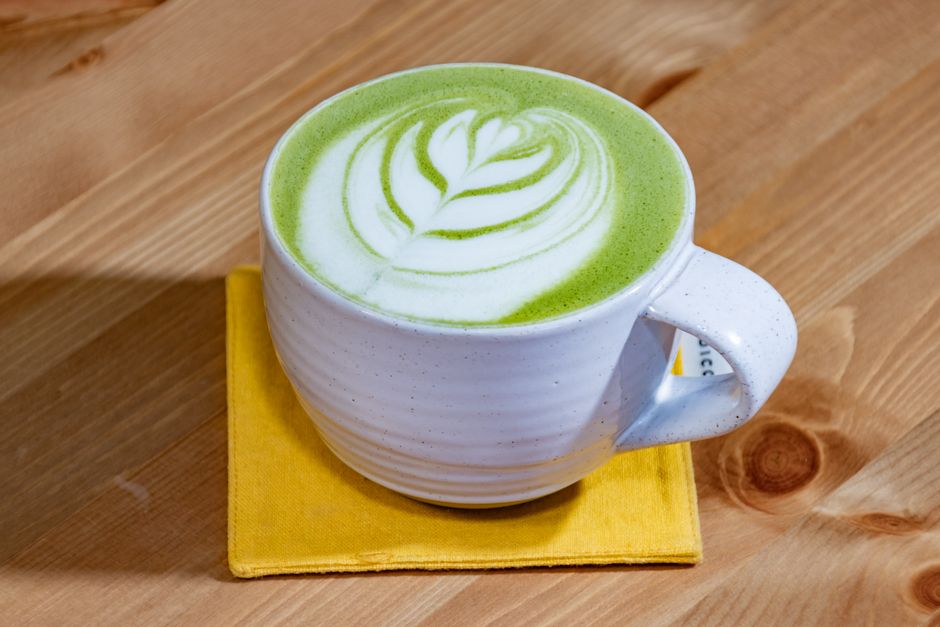
Matcha lattes have become a staple at coffee shops everywhere, and many people wonder if they are a healthy choice or just another sugary drink. The short answer is that a plain matcha latte made with just matcha powder and milk can be a nutritious beverage, but the version you buy at a cafe often contains added sugar that changes the picture. The health value depends almost entirely on what else is in your cup.
What Is Matcha and How Is It Different From Regular Green Tea?
Matcha is a type of green tea made from shade-grown tea leaves. The leaves are ground into a fine powder, and you consume the entire leaf rather than steeping it and discarding the leaves. This is the key difference from regular green tea.
Because you drink the whole leaf, matcha delivers a more concentrated amount of certain compounds. This includes caffeine and a group of antioxidants called catechins. One of the most studied catechins is EGCG, which has been linked to various health effects in research.
The shading process also increases the amount of L-theanine in the leaves. L-theanine is an amino acid that can promote a state of calm alertness. This combination of caffeine and L-theanine is why many people report feeling focused rather than jittery after drinking matcha.
Are Matcha Lattes Healthy for You?
Yes, a matcha latte can be healthy, but the definition of “healthy” changes based on how it is prepared. The matcha powder itself provides antioxidants, a modest amount of caffeine, and a small number of calories. The milk adds protein and calcium. That base combination is genuinely nutritious.
The problem appears when sweeteners and flavorings are added. Many commercial matcha lattes contain several teaspoons of sugar or syrups. A large flavored matcha latte from a cafe can contain as much sugar as a can of soda. That amount of added sugar is not good for anyone, regardless of the antioxidants in the matcha.
So the honest answer is that the matcha is healthy, but the latte format can make it unhealthy. If you order a matcha latte with no sweetener and a milk of your choice, you are getting a drink that provides real nutritional value.
What Are the Health Benefits of Matcha?
Research on green tea and matcha has identified several areas where these compounds may be beneficial. The evidence is strongest for the antioxidant effects, but other benefits are still being studied.
Antioxidant content. Matcha is rich in catechins, which are plant compounds that help neutralize harmful molecules called free radicals. Some research suggests that matcha contains higher concentrations of these compounds than regular green tea because you consume the whole leaf.
Calm focus. The combination of caffeine and L-theanine is well documented. L-theanine can reduce the jittery feeling that comes with caffeine alone. Some studies show this combination improves attention and reaction time compared to caffeine on its own.
Heart health markers. Green tea consumption has been associated with lower levels of LDL cholesterol and other cardiovascular benefits in observational studies. The evidence is promising but not definitive. Researchers cannot yet say that drinking matcha prevents heart disease.
Blood sugar control. Some studies suggest that green tea compounds may improve insulin sensitivity, but the effects are modest. Matcha is not a treatment for diabetes, and adding sugar to your latte will likely cancel out any potential benefit.
None of these benefits are dramatic. Matcha is not a medicine. It is a healthy beverage that contributes positively to your diet in the same way that vegetables and fruits do.





How Much Caffeine Is in a Matcha Latte?
A typical serving of matcha powder used in a latte contains about 30 to 70 milligrams of caffeine. For comparison, a standard cup of brewed coffee contains roughly 95 milligrams. A matcha latte generally has less caffeine than coffee but more than a cup of regular green tea.
Individual responses to caffeine vary widely. Some people are sensitive and may feel effects from even small amounts. Others can drink matcha late in the evening without any sleep disruption. If you are sensitive to caffeine, you should treat a matcha latte the same way you would treat a cup of coffee.
The caffeine in matcha is absorbed differently than coffee because of the L-theanine content. Many people describe the energy from matcha as smoother and longer lasting. This is not a proven effect for everyone, but it is a commonly reported experience.
What About the Sugar in Store-Bought Matcha Lattes?
This is where the health picture changes dramatically. A plain matcha latte with no sweetener contains only the natural sugars found in milk, which is about 12 grams per cup. That is a reasonable amount for most people.
However, many cafes add flavored syrups, vanilla sweeteners, or pre-sweetened matcha powder blends. These additions can push the sugar content to 30, 40, or even 50 grams per drink. The American Heart Association recommends limiting added sugar to no more than 36 grams per day for men and 25 grams per day for women. One sweetened latte can exceed that entire daily limit.
If you are ordering a matcha latte at a cafe, ask for it unsweetened. You can add a small amount of sweetener yourself if needed. You will control the amount and likely use far less than the cafe would have added.
Which Milk Is Best in a Matcha Latte?
The milk choice changes the calorie and nutrient profile of your drink. There is no single best option because it depends on your nutritional needs.
Dairy milk provides protein, calcium, and vitamin D. Whole milk adds more calories and saturated fat than skim milk. For most people, dairy milk is a solid choice.
Soy milk is the most nutritionally similar plant milk to dairy. It provides protein and is often fortified with calcium and vitamin D. It also holds up well in hot drinks without separating.
Oat milk is creamy and popular, but it contains more carbohydrates and less protein than dairy or soy. Some oat milk brands add sugar, so check the label.
Almond milk is low in calories but also low in protein. Many brands are fortified with calcium, but the amounts vary.
The healthiest choice is the milk that fits your dietary pattern. If you need protein, choose dairy or soy. If you are watching calories, unsweetened almond milk is an option. Just avoid milks with added sugar.
Are There Any Risks or Downsides to Matcha Lattes?
Matcha is safe for most people in typical food amounts. There are a few considerations worth knowing.
Heavy metals. Tea plants can absorb lead and other metals from soil. Because matcha is the whole leaf, it may contain higher levels of these metals than steeped tea. The amounts are generally below safety limits, but this is a reason to choose high-quality matcha from reputable sources and to avoid consuming large amounts daily.
Caffeine sensitivity. If you have anxiety, heart palpitations, or sleep problems, the caffeine in matcha could make these worse. You should be mindful of your total caffeine intake across all sources.
Interactions with medications. Green tea extracts can interact with certain medications, including some blood thinners and stimulants. If you take prescription medication, check with your doctor before consuming large amounts of matcha regularly.
None of these risks are reasons to avoid matcha entirely. They are reasons to consume it as a beverage, not as a supplement or a daily habit in very large quantities.
How to Make a Healthy Matcha Latte at Home
Making your own matcha latte is simple and gives you full control over the ingredients. You need high-quality matcha powder, hot water, and milk of your choice.
Sift about one teaspoon of matcha powder into a bowl. Add about two ounces of hot water, not boiling, and whisk until the powder is dissolved. The water should be around 175 degrees Fahrenheit, which is below boiling. Boiling water makes matcha taste bitter.
Heat your milk and add it to the matcha mixture. You can use a milk frother for a cafe-style texture, but that is optional. Add sweetener only if you want it, and start with less than you think you need.
This homemade version contains no added sugar unless you add it. It will have fewer calories and less sugar than most cafe versions. It also costs less per serving.
Frequently Asked Questions
Is it OK to drink a matcha latte every day?
Yes, a plain matcha latte with no added sugar is fine to drink daily for most people. Keep your total caffeine intake in mind, and choose a high-quality matcha powder from a reputable source.
Are matcha lattes healthier than coffee?
Both drinks can be healthy when consumed without added sugar. Matcha provides more antioxidants than coffee, while coffee typically has more caffeine, so the better choice depends on your personal health goals.
Does a matcha latte break a fast?
Yes, a matcha latte breaks a fast because the milk contains calories and protein. Plain matcha whisked with water has almost no calories and will not break a fast.
Why does my matcha latte make me feel sick?
This can happen if you consume matcha on an empty stomach or if you are sensitive to caffeine. The large amount of sugar in some cafe versions can also cause stomach upset or a rapid energy crash.
